






































Vitamin D3 is also known as the "sunshine vitamin": your skin produces it as soon as sunlight hits it. In the Netherlands, this is difficult for a large part of the year.
Here you can read what vitamin D3 exactly is, which health claims are allowed, how you can get it, how much you need and what to look out for when choosing a supplement. Factual and without promises.
Topics in this article
- What is vitamin D3?
- Allowed health claims
- How do you get vitamin D3?
- Why specifically in winter?
- Your vitamin D status
- How much vitamin D3 per day?
- Which vitamin D3 do you choose? What to look out for
- How do you use vitamin D3?
- Frequently asked questions
- Conclusion
What is vitamin D3?
Vitamin D3, also known as cholecalciferol, is a fat-soluble vitamin. There are two forms: vitamin D2 (ergocalciferol, from plants and mushrooms) and vitamin D3 (cholecalciferol, mainly from animal sources and what your skin produces itself). D3 is the form you find in most supplements.
Your skin produces vitamin D under the influence of uv-B from sunlight, after which the liver and kidneys convert it into the active form. That explains why sunlight plays such a large role.
Allowed health claims
For vitamin D, unlike many other substances, there are allowed health claims. The most important ones at a glance:
- Vitamin D contributes to the maintenance of normal bones.
- Vitamin D contributes to a normal functioning of the immune system.
- Vitamin D contributes to the maintenance of normal muscle function.
- Vitamin D contributes to the maintenance of normal teeth.
- Vitamin D contributes to a normal absorption and utilization of calcium and phosphorus.
- Vitamin D plays a role in the cell division process.
How do you get vitamin D3?
There are roughly three ways to get vitamin D3.
- Sunlight: the most important source. How much your skin produces depends on your skin type, the time of year and how much skin is uncovered.
- Nutrition: vitamin D3 is mainly found in fatty fish (salmon, mackerel, herring), egg yolk and liver. In the Netherlands, it is also added to products such as halvarine and margarine.
- Supplements: the Health Council advises certain groups extra vitamin D. In the vitamin D3 collection you will find different dosages and forms.
Why specifically in winter?
In the Netherlands, the sun stands too low in the sky from about October to March to let enough uv-B through. Your skin can then produce little to no vitamin D3. In addition, we spend more time indoors in winter and wear more covering clothing.

Many people therefore take vitamin D in the winter half of the year. The Health Council advises certain groups extra vitamin D all year round.
Your vitamin D status
You cannot assess your vitamin D status yourself; only a blood test via the general practitioner gives certainty. Groups for whom the Health Council advises extra vitamin D include people with dark skin, the elderly and people who rarely go outside. Read more about this here in our explanation about vitamin D status and the advice of the Health Council.
How much vitamin D3 per day?
The amount that suits you depends on your age, skin type and situation. On supplements you often see vitamin D in two units: micrograms (mcg) and international units (IE or IU). The conversion is simple: 1 microgram corresponds to 40 IU. A supplement of 75 mcg is therefore 3000 IU.
In the store you will see dosages varying from around 25 mcg (1000 IU) to 125 mcg (5000 IU) and depot forms that you take less often. Follow the recommended dosage on the packaging and consult your general practitioner if in doubt. Do not take more than recommended for a long time, because vitamin D is fat-soluble and accumulates in the body.
Which vitamin D3 do you choose? What to look out for
Dosage
Choose a dosage that suits the advice for your situation. Calculate between mcg and IU if necessary.
Form: drops, softgels or tablets
Because D3 is fat-soluble, it is often in softgels or oil drops with a carrier oil. Drops are convenient to finely regulate the dosage and pleasant for those who do not want to swallow capsules. Tablets and softgels are practical for a fixed daily dose.
Combination with vitamin K2
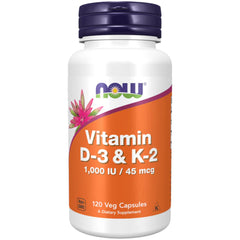
Vitamin D3 and K2 are often combined. Vitamin D contributes to a normal absorption and utilization of calcium; vitamin K contributes to the maintenance of normal bones. If you want both in one supplement, look at the vitamin D3 + K2 collection.
Clear ingredients list
Look out for a short ingredients list without unnecessary additions, and see if the origin and dosage are clearly stated. Our own vitamin D3 from LUTO Supplements is for example a softgel with 75 mcg (3000 IU) per piece.
How do you use vitamin D3?
You preferably take vitamin D3 with a meal that contains some fat, because it is fat-soluble. Many people choose breakfast or lunch as a fixed time, so they do not forget it.
Are you pregnant, breastfeeding or using medications? Then first consult your doctor about the right dosage. A nutritional supplement is a supplement and not a replacement for varied nutrition and sufficient fresh air.
Frequently asked questions about vitamin D3
What is the difference between vitamin D2 and D3?
D2 (ergocalciferol) comes from plants and mushrooms, D3 (cholecalciferol) mainly from animal sources and your own skin. D3 is in most supplements.
How much is 1000 IU in micrograms?
1000 IU corresponds to 25 micrograms. The conversion is: 1 microgram is 40 IU.
Can I stop with vitamin D3 in the summer?
If you go outside enough in the summer, your skin produces vitamin D3 itself. However, some groups receive the advice to take extra vitamin D all year round. Consult your general practitioner if in doubt.
Why vitamin D3 together with K2?
Vitamin D contributes to a normal absorption and utilization of calcium; vitamin K contributes to the maintenance of normal bones. Therefore, they are often combined in one supplement.
When do you take vitamin D3?
Preferably with a meal with some fat. The exact time matters little; choose a fixed time that you can easily stick to.
Can you take too much vitamin D3?
Yes. Because vitamin D is fat-soluble, an excess accumulates. Therefore, stay within the recommended dosage and do not take high doses for a long time without consulting a doctor.
Conclusion
Vitamin D3 is a fat-soluble vitamin. Vitamin D contributes among others to the maintenance of normal bones, teeth and muscle function and to a normal functioning of the immune system. Your skin produces it from sunlight, but in the Dutch winter half of the year that is hardly possible.
Compare the dosages and forms in the vitamin D3 collection, or look at a D3 + K2 combination. Also read our explanation about vitamin D status.

