






Filter op
Filter op
ActieprijsVanaf €18,90
€23,27  / kg
Actieprijs€19,90
€19,90  / kg
ActieprijsVanaf €20,90
€45,43  / kg
ActieprijsVanaf €19,90
€29,93  / kg
Actieprijs€27,90
€23,25  / kg
Actieprijs€42,90
€47,25  / kg
-22%
ESN Designer Bar Strawberry Yoghurt 12x45g - eiwitreep met 14g eiwit zonder toegevoegde suikers, kopen in Nederland en België
Actieprijs€21,90 Normale prijs€27,90
€40,56  / kg
Actieprijs€43,90
€48,35  / kg
Actieprijs€15,90
€16,39  / l
Actieprijs€43,90
€48,35  / kg
Actieprijs€2,90
€8,79  / l
Actieprijs€36,90
€55,91  / kg

Buy protein: protein powders and protein supplements

Protein is one of the three macronutrients and provides the building blocks (amino acids) that the body uses for, among other things, muscles. Protein contributes to an increase in muscle mass, the maintenance of muscle mass and the maintenance of normal bones. In this collection you will find protein supplements in various forms: from whey (whey protein) and casein to plant-based proteins such as soy, pea and rice, and products such as protein bars and recovery shakes.

What is protein and what does it contribute to?

Protein is a macronutrient made up of amino acids, the building blocks that the body uses for, among other things, muscles, organs, skin and enzymes. According to the permitted health claims, protein contributes to an increase in muscle mass, the maintenance of muscle mass and the maintenance of normal bones. A protein supplement is a concentrated protein source that makes it easier to achieve a higher or targeted protein intake, for example around exercise. The label of each product states how much protein a serving provides, expressed in grams.

What foods are high in protein?

Protein is primarily obtained from regular food. Animal sources that are naturally high in protein include meat, poultry, fish, eggs and dairy (such as quark, skyr and cheese). Plant-based protein sources are legumes (lentils, chickpeas, beans), soy and soy products (tofu, tempeh), nuts, seeds and whole grains. A varied diet with these products provides sufficient protein for most people. A protein supplement is intended as a supplement when it is difficult to achieve a higher or targeted protein intake through food, for example during intensive exercise or a busy schedule. It does not replace a balanced diet, but makes it easier to reach your target intake.

Whey (whey protein): concentrate, isolate and hydrolysate

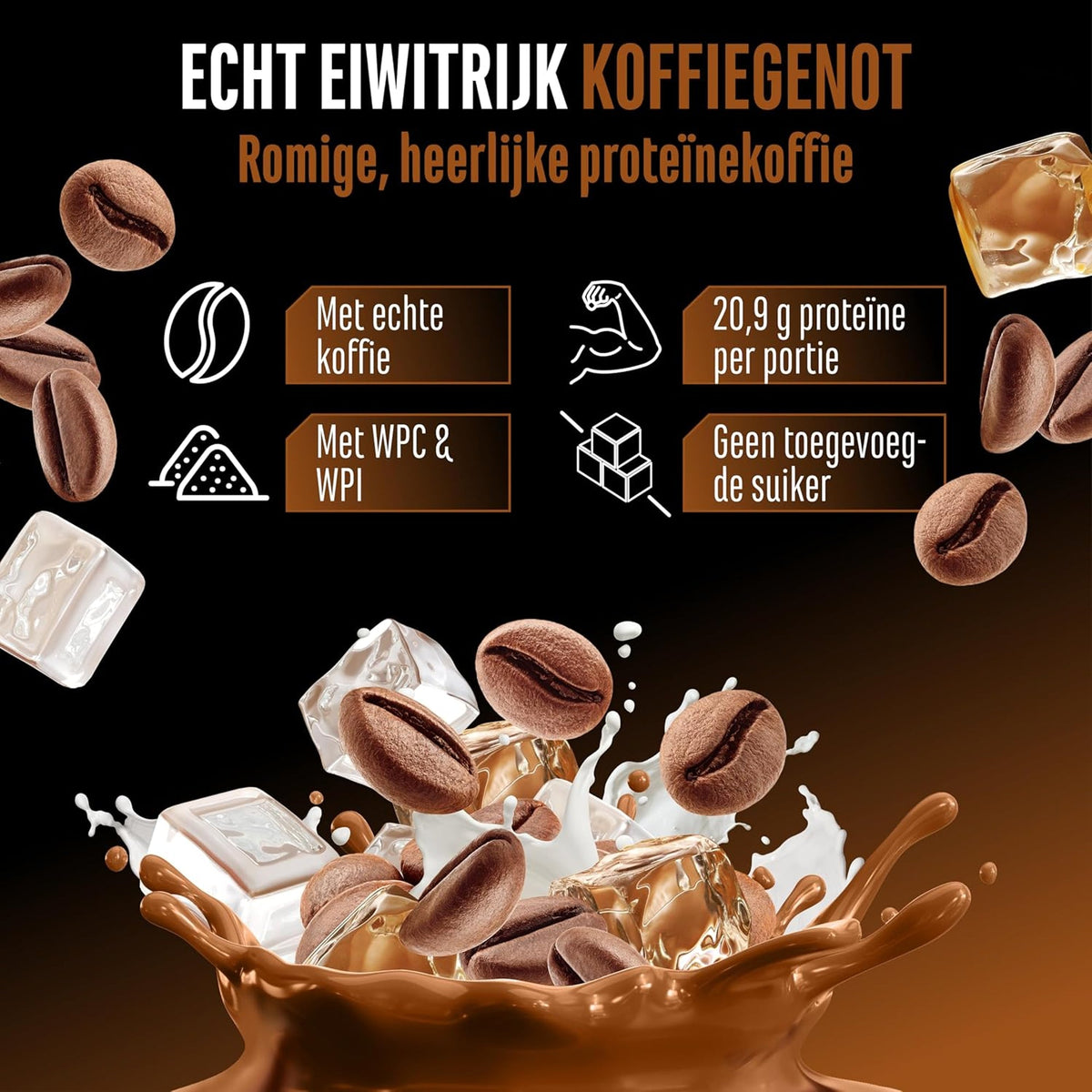
Whey, or whey protein, is one of the most popular protein sources. It comes from milk and contains all essential amino acids (a complete protein). Whey is available in different levels of purity. Whey concentrate contains some fats and milk sugar (lactose) in addition to protein and is generally more affordable. Whey isolate is further purified, contains a higher protein percentage and less lactose. Whey hydrolysate is pre-processed ("pre-split"). When comparing, it is useful to pay attention to the protein percentage per serving and the lactose content.

Casein and other animal proteins

In addition to whey, there are other animal protein sources. Casein, just like whey, comes from milk, but is digested slowly; it is therefore often used as a protein before bedtime or between meals. Egg protein (albumin) is a complete protein and a good option for those who do not want to use milk protein. These proteins differ mainly in digestion speed and application. Which one is right for you depends on your goal and preference.

Plant-based proteins: soy, pea, rice and more

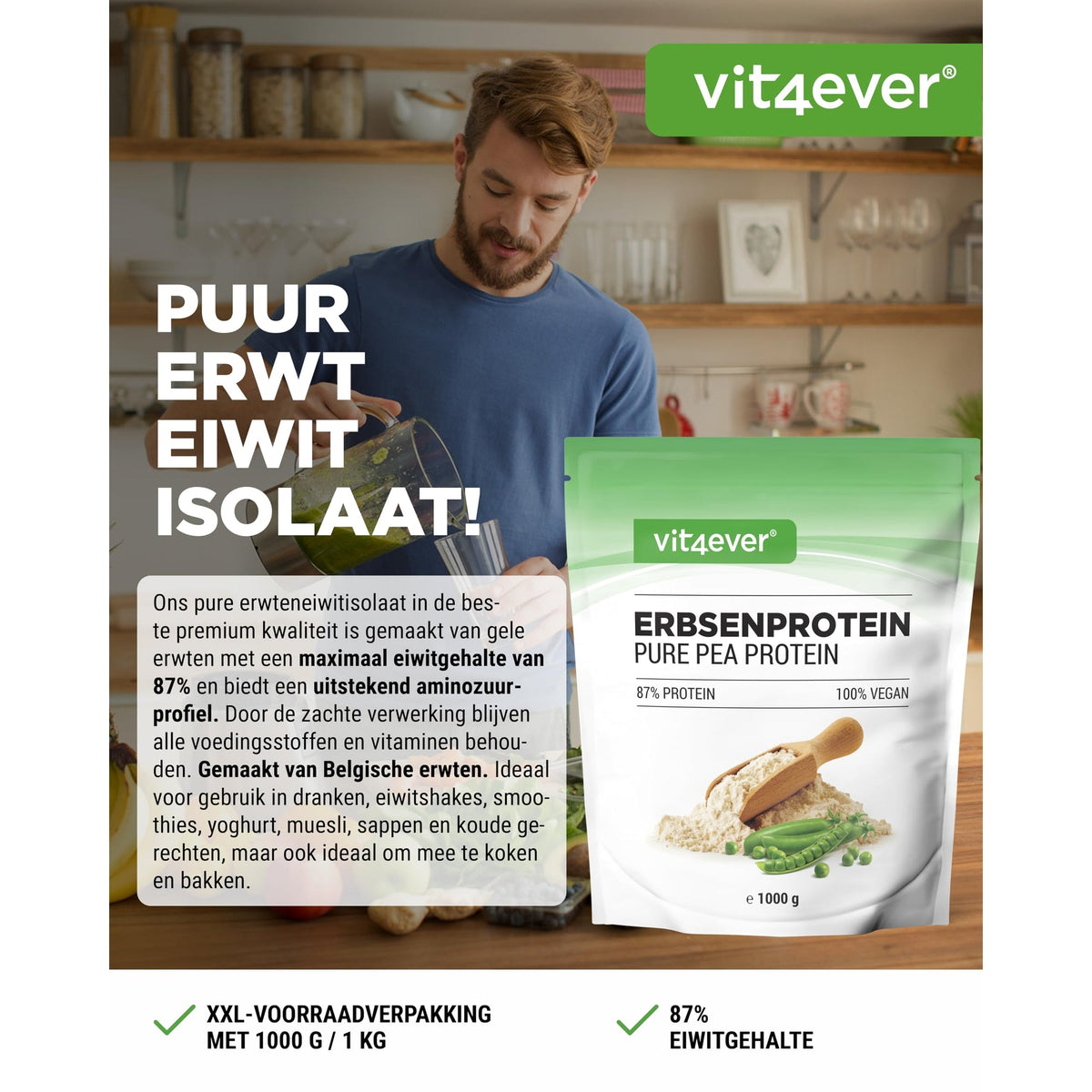
For those who eat plant-based, there are various vegan protein sources. Soy protein is a complete plant-based protein with all essential amino acids. Pea, rice, hemp and other plant-based proteins are also popular; these are often combined in a multi-component mix (for example 3K or 7K), so that the amino acid profile becomes more complete. Plant-based proteins are naturally lactose-free and suitable for a vegan diet. When comparing, it is useful to pay attention to the protein percentage and whether it is a single source or a mix.

Other forms: protein bars and recovery shakes

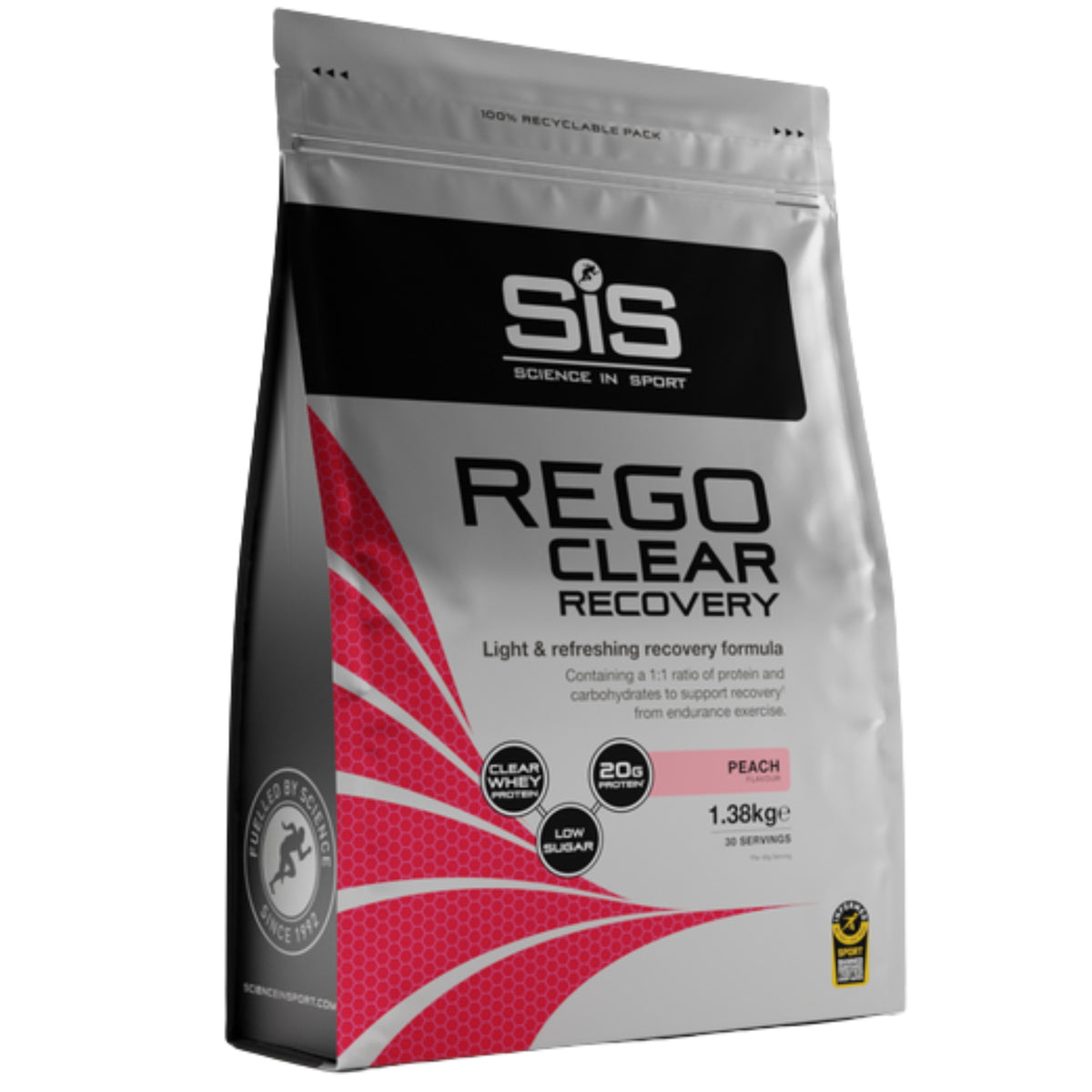
In addition to powders, you will also find other protein products in this collection. Protein bars are a practical, portable snack with a high protein content. Recovery shakes often combine protein with carbohydrates and are intended for use after exercise. You will also find protein lemonades (clear whey): refreshing drinks based on whey isolate. These products are convenient for on the go or for those looking for variety alongside a classic shake. The label states the composition and the protein content per serving.

How much protein per day?

Protein requirements vary per person and depend on factors such as body weight, age and level of physical activity. For adults, a guideline of approximately 0.8 grams of protein per kilogram of body weight per day is often mentioned, while the requirement during intensive exercise may be higher. A protein supplement is a supplement to and not a replacement for a varied diet with sufficient protein from food. The dosage per product is on the packaging. If in doubt about your personal requirement, you can ask a dietitian or doctor for advice.

Buying protein: what to pay attention to?

When choosing a protein supplement, there are a few practical points to pay attention to. Determine which protein source suits you: whey (concentrate, isolate or hydrolysate), casein, egg protein or a plant-based protein. Look at the protein percentage and the amount of protein per serving, the amino acid profile, the lactose and sugar content and the taste. Also pay attention to the form (powder, bar or drink) and the price per serving or per 100 grams of protein. For related sports and amino acid products, you can also view our collections Amino Acids and Pre-workout.

Need more advice?

Feel free to send us a message. We're happy to help and will answer your questions as soon as possible.
Tobian

Tobian

Customer service