







Filter op
Filter op
Actieprijs€15,90
€420,63  / kg
Actieprijs€24,90
€461,11  / kg
UitverkochtNuvi Health Vitamine A + D3 + K2 Druppels 50 ml - voedingssupplement | kopen in Nederland en België Nuvi Health Vitamine A + D3 + K2 Druppels - voedingssupplement zonder onnodige toevoegingen

Buy Vitamin A: Retinol and Beta-Carotene in Softgels, Tablets and Drops

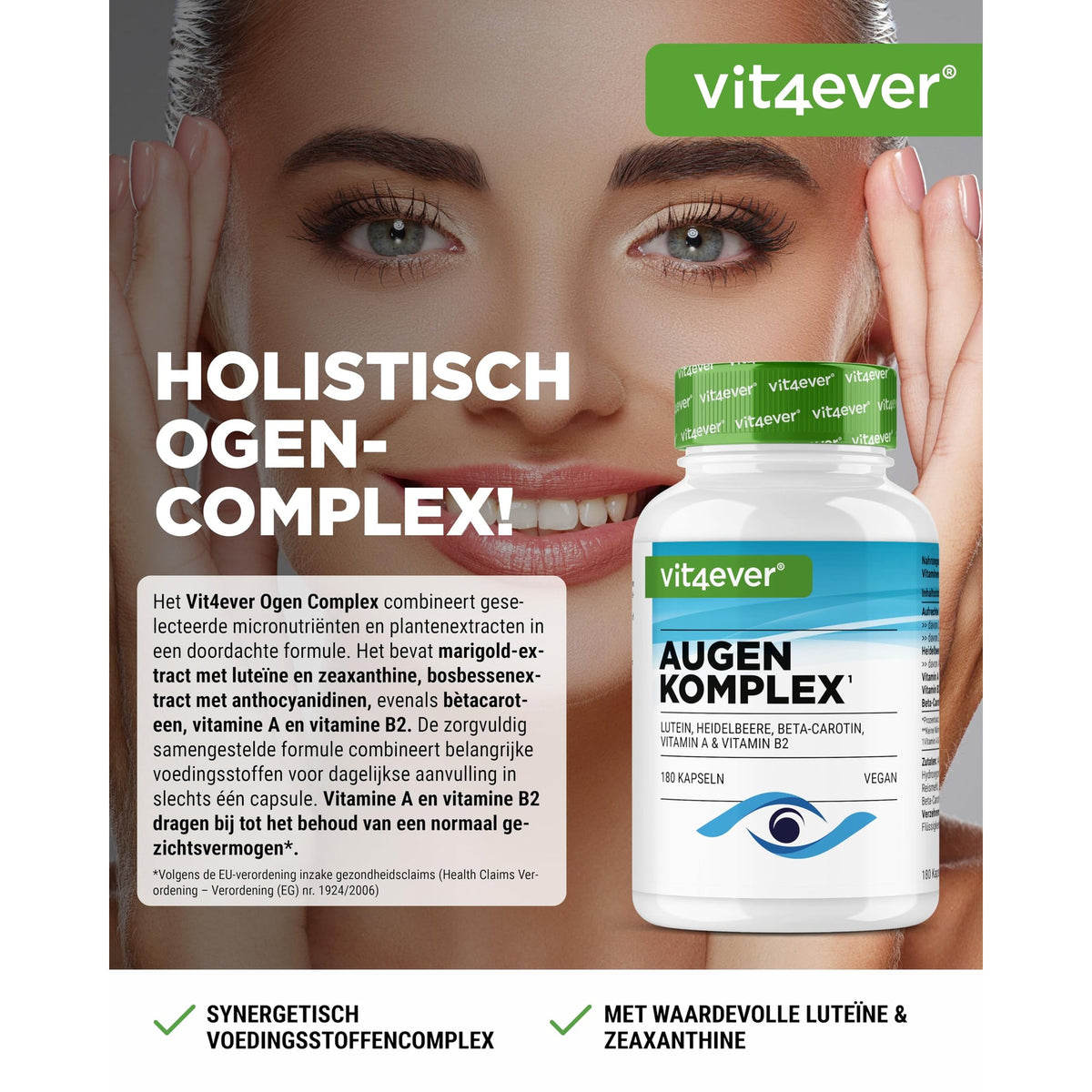
Vitamin A is a fat-soluble vitamin. Vitamin A contributes to the maintenance of normal vision, normal skin and mucous membranes, the normal function of the immune system and normal iron metabolism, and plays a role in the process of cell differentiation. The vitamin occurs as preformed vitamin A (retinol and its esters) in animal sources and as provitamin A (beta-carotene) in plant sources. In our range, you will find vitamin A in softgels, tablets and drops, as well as multivitamins and ADEK complexes.

What is vitamin A?

Vitamin A is a collective term for a group of fat-soluble substances. According to the permitted health claims, vitamin A contributes to the maintenance of normal vision, normal skin and mucous membranes, and the normal function of the immune system. In addition, vitamin A contributes to normal iron metabolism and plays a role in the process of cell differentiation. The label of each product states how much vitamin A is provided per serving, expressed in micrograms RE (retinol equivalents) or in international units (IU).

Retinol and beta-carotene: the two forms

Vitamin A occurs in food in two main forms. The first is preformed vitamin A, also known as retinol or preformed vitamin A, which occurs in animal products and is often used in supplements as retinyl palmitate or retinyl acetate. The second is provitamin A, of which beta-carotene is the best known; this plant-based form is converted into vitamin A in the body as needed. The difference is relevant because the body regulates the conversion of beta-carotene itself, while retinol is directly available. The label states which form a supplement contains.

What contains vitamin A?

Preformed vitamin A (retinol) occurs mainly in animal products such as liver, oily fish, egg yolk, butter and full-fat dairy. Provitamin A in the form of beta-carotene is found in orange and green fruits and vegetables, such as carrots, sweet potatoes, pumpkin, spinach, kale and apricots. A varied diet with sufficient vegetables usually provides ample beta-carotene. For people who eat few animal products or coloured vegetables, a supplement can be a practical addition to their daily intake.

What forms of vitamin A supplements are available?

Vitamin A is available in various dosage forms. Softgels and tablets contain a fixed dose per piece, often as retinyl acetate or retinyl palmitate. Drops based on MCT oil can be dosed flexibly and are convenient for those who do not want to swallow capsules. In addition, vitamin A is available in broader formulas, such as multivitamins and ADEK complexes, in which the fat-soluble vitamins A, D, E and K are combined. When comparing, look at the amount of vitamin A per serving and the form used.

How much vitamin A per day?

The recommended daily amount of vitamin A for adults is around 650 to 800 micrograms RE per day. Because vitamin A is fat-soluble and the body stores excess, it is important not to exceed the recommended dosage for extended periods. A legal upper limit applies to preformed vitamin A (retinol). Pregnant women are advised to be cautious with high doses of retinol and to consult a doctor beforehand. Follow the directions for use on the packaging and, if in doubt, seek advice from a doctor or therapist.

Who might benefit from a vitamin A supplement?

A vitamin A supplement can be a useful addition for people who eat few animal products or coloured vegetables, such as some vegetarians and vegans. Because high doses of retinol are not recommended during pregnancy, caution is advised and it is wise to consult a doctor. Special, lower-dose products are available for children. Always follow the recommended dosage on the packaging.

Buying vitamin A: what to look for?

When choosing a vitamin A supplement, a few points are important. Look at the amount of vitamin A per serving and whether it is retinol (retinyl palmitate or acetate) or beta-carotene. Decide which dosage form you prefer: softgels, tablets or drops. Consider whether you are looking for a standalone vitamin A product or a broader complex such as a multivitamin or ADEK. Stick to the recommended daily amount and pay attention to the upper limit for retinol. For related products, also view our Vitamin D3 and Vitamins collections.

Need more advice?

Feel free to send us a message. We're happy to help and will answer your questions as soon as possible.
Tobian

Tobian

Customer service