Filter op
Filter op
Actieprijs€12,90
€12,90  / kg
Actieprijs€21,90
€21,90  / kg
Actieprijs€25,90
€116,67  / kg
Actieprijs€16,90
€153,64  / kg
ActieprijsVanaf €15,90
€53,49  / kg
Actieprijs€28,90
€71,53  / kg
Actieprijs€23,90
€44,26  / kg
Actieprijs€21,90
€52,64  / kg
Actieprijs€24,90
€125,76  / kg
Actieprijs€23,90
€149,38  / kg
Actieprijs€22,90
€71,56  / kg

Buy amino acids: the building blocks of proteins

Amino acids are the building blocks from which proteins are made. There are twenty amino acids in total that together form all the proteins in the body. The body can produce some of them itself, while the so-called essential amino acids must be obtained through food. For those who want to specifically supplement certain amino acids, a supplement can be a practical addition to their daily diet.

In our range you will find individual amino acids and amino acid derivatives, such as L-glutamine, L-arginine, L-citrulline, L-carnitine and acetyl-L-carnitine, L-lysine, L-tyrosine, L-tryptophan, glycine, taurine, beta-alanine, L-theanine, NAC and glutathione. They are available in powder and capsule form, in various dosages and often in a vegan version, so that there is a suitable choice for every need and preference.

What are amino acids?

Amino acids are organic compounds that are linked together to form protein chains. You can think of them as the individual links from which a protein is built: the order and composition of the amino acids determine which protein it is and what function it serves in the body. Proteins can be found everywhere in the body, from muscles and skin to enzymes and transport proteins. Because the body constantly breaks down and rebuilds proteins, a continuous supply of amino acids through food is important.

Essential and non-essential amino acids

Amino acids are divided into essential and non-essential amino acids. The body cannot produce the nine essential amino acids itself; these must be obtained through food or supplementation. Examples are leucine, isoleucine, valine, lysine and phenylalanine. The body can produce the non-essential amino acids itself under normal circumstances. In addition, there is an intermediate category of conditionally essential amino acids, such as glutamine, arginine and tyrosine, which the body usually produces itself.

Amino acid derivatives: carnitine, NAC, taurine and more

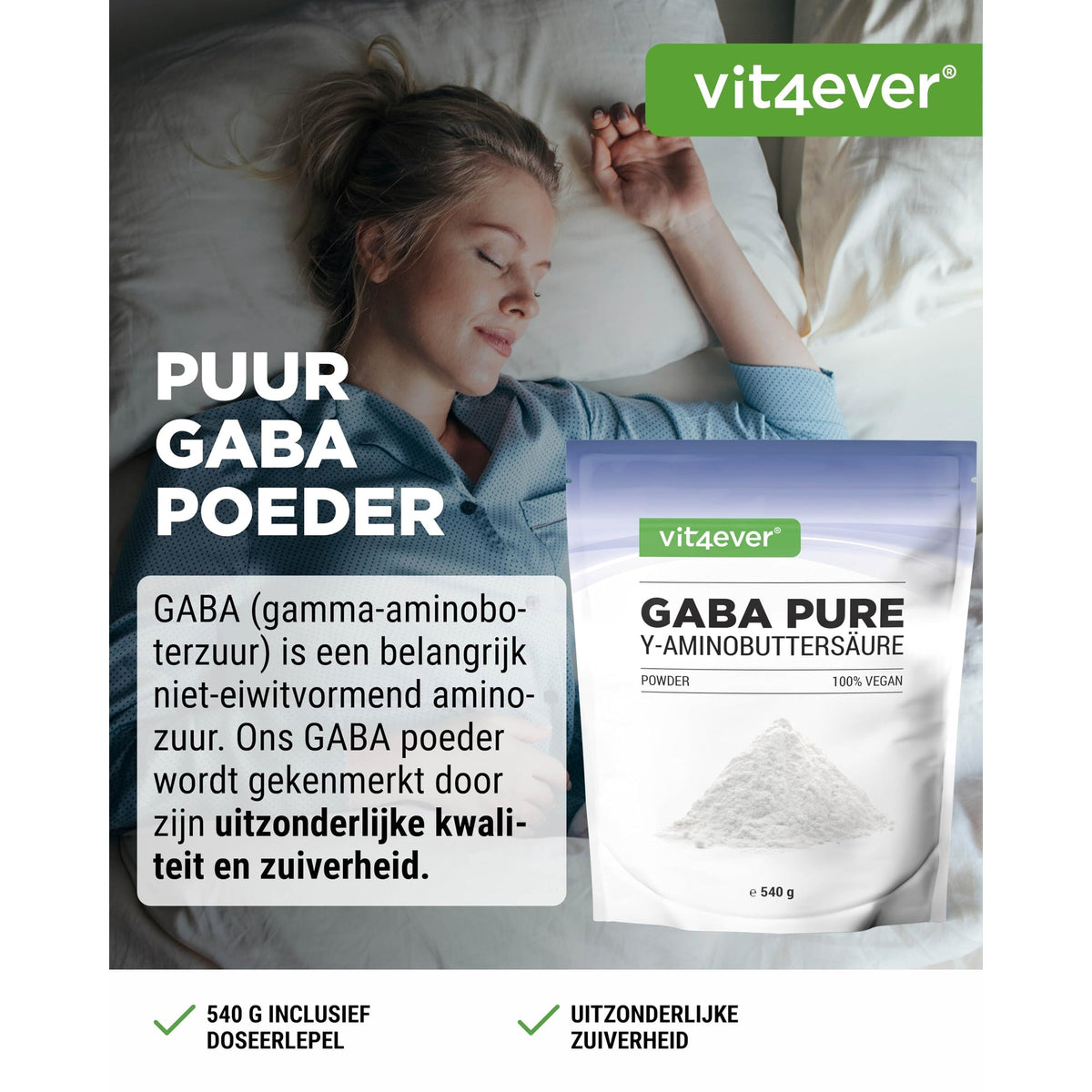
In addition to the classic protein-forming amino acids, you will also find substances derived from amino acids in this category. L-carnitine and acetyl-L-carnitine are formed in the body from lysine and methionine. NAC (N-acetyl-L-cysteine) is a form of the amino acid cysteine. Glutathione is a small compound of three amino acids: glutamate, cysteine and glycine. Taurine, beta-alanine, betaine (TMG), HMB and GABA are also amino acids or amino acid compounds that are not incorporated into proteins, but are widely used as individual supplements.

Popular individual amino acids and their characteristics

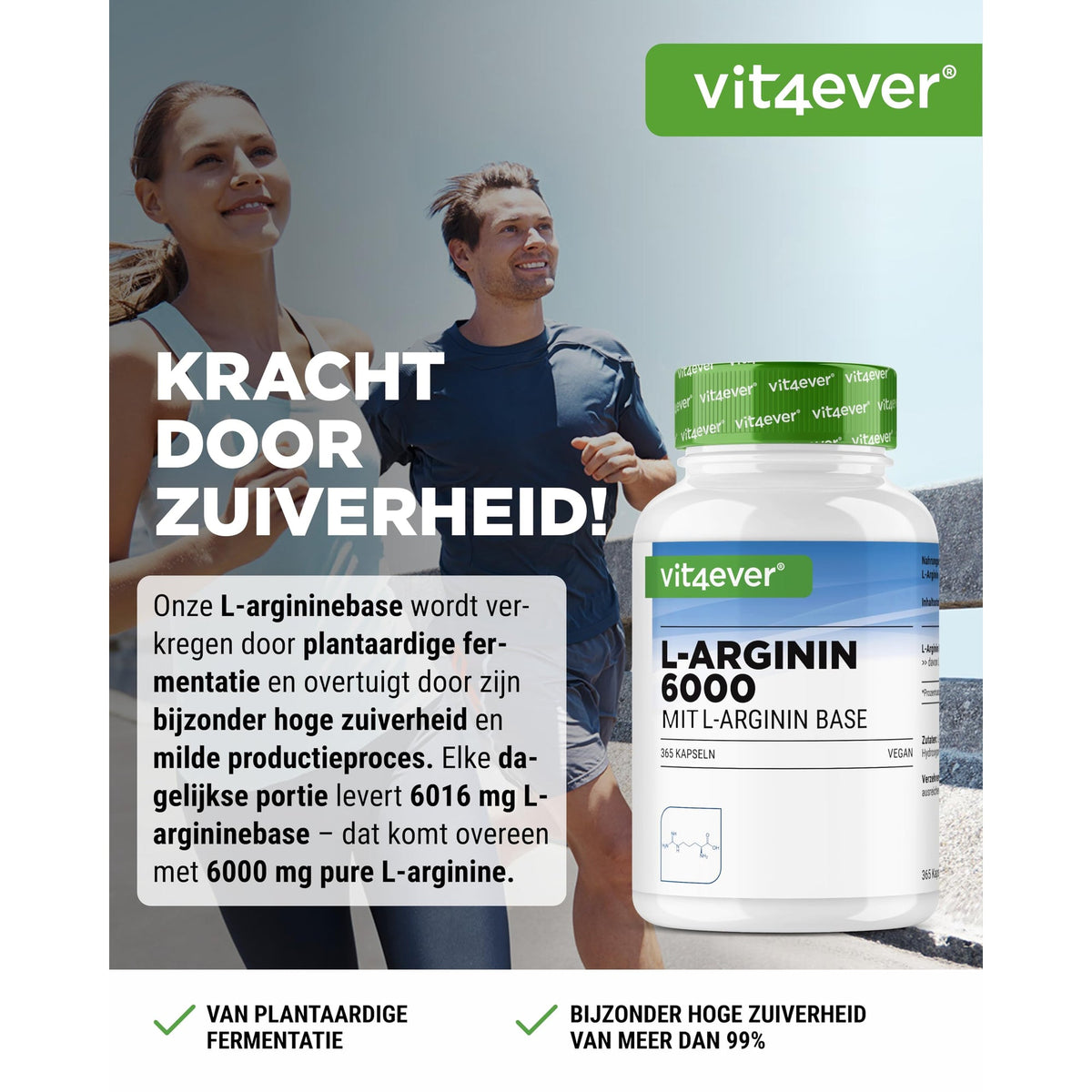
L-glutamine is the most common free amino acid in the body and is popular among athletes. L-arginine and L-citrulline occur naturally in nuts, seeds, legumes and watermelon, among others. L-lysine is an essential amino acid that occurs mainly in animal proteins. L-tyrosine and L-tryptophan are the precursors of various substances in the body and are often purchased individually. Glycine is the smallest amino acid and is often used as a powder because of its slightly sweet taste. L-theanine occurs naturally in green tea. Which amino acid is right for you depends on your personal preference and diet.

What do amino acids occur naturally in?

You get amino acids through protein-rich food. Animal sources such as meat, fish, eggs and dairy provide all the essential amino acids in the right proportions and are therefore called complete protein sources. Plant-based sources such as legumes, grains, nuts and seeds also contain amino acids, but sometimes lack sufficient amounts of one or more essential amino acids. By combining plant-based sources, for example grains with legumes, you can still obtain a complete amino acid profile. A varied and protein-rich diet forms the basis of a good amino acid supply.

Amino acids as powder or capsules?

Amino acid supplements are available as powder and as capsules or tablets. Powder can be dosed flexibly and generally dissolves well in water or juice, which is convenient for higher dosages such as L-glutamine, L-citrulline, glycine or taurine. The taste varies by amino acid and by brand. Capsules and tablets are tasteless, easy to use and convenient to take with you, with a fixed dosage per piece. For larger daily amounts, powder is often more practical, while capsules are suitable for those who want a fixed, measured portion.

Who are amino acid supplements interesting for?

Amino acid supplements are widely used by athletes and people with an active lifestyle who want to specifically supplement certain amino acids. People with a plant-based diet also sometimes choose certain amino acids, because some essential amino acids are less abundantly present in plant-based foods. A supplement is an addition to and not a replacement for a varied diet. If in doubt about your personal needs, you can ask a dietitian, doctor or therapist for advice.

What should you pay attention to when buying amino acids?

When choosing an amino acid supplement, a few things are important. First, look at which amino acid you are looking for and what dosage is provided per serving. For combination products, pay attention to the ratio between the ingredients. Also check the purity, whether the product is free from unnecessary additives and whether it is suitable for a vegan diet if you value that. Stick to the recommended daily amount on the packaging, and if in doubt, ask an expert for advice.

Read more about amino acids

Want to know more about a specific amino acid? Read our explanation of glycine.

Need more advice?

Feel free to send us a message. We're happy to help and will answer your questions as soon as possible.
Tobian

Tobian

Customer service