






Filter op
Filter op
Actieprijs€21,90
€240,00  / kg
Actieprijs€19,90
€168,64  / kg
ActieprijsVanaf €21,90
€232,50  / kg
ActieprijsVanaf €19,90
€238,05  / kg
Actieprijs€21,90
€138,26  / kg
Actieprijs€25,90
€246,67  / kg
Actieprijs€20,90
€211,11  / kg
Actieprijs€28,90
ActieprijsVanaf €21,90
€41,65  / 100g
Actieprijs€41,90
€69,01  / 100g
Actieprijs€25,90
€170,39  / kg

Buy enzymes: digestive enzymes, lactase, bromelain and more

Enzymes are proteins that occur naturally in the body and in food. In supplement form, they are often digestive enzymes such as lactase, protease, amylase and lipase, and plant-based enzymes such as bromelain (from pineapple) and papain (from papaya). On this page, we describe the enzymes factually: what they are, where they come from and the forms and strengths in which you can find them.

In our collection of enzymes, you will find individual enzymes and combined enzyme complexes in capsules, tablets and time-release or sustained-release variants. The range includes brands such as LUTO Supplements, Vit4ever, Swanson, German Elite Nutrition and NOW Foods, in various strengths expressed in FCC, FIP or FU units. This allows you to choose specifically based on enzyme type, dosage and form of administration.

What are enzymes?

Enzymes are proteins that initiate and accelerate reactions in the body. Endogenous digestive enzymes each work on a specific group of nutrients: protease on proteins, amylase on carbohydrates, lipase on fats and lactase on milk sugar (lactose). In addition to endogenous enzymes, there are also enzymes obtained from plants, such as bromelain and papain. As a supplement, enzymes are usually taken with a meal.

Where do enzymes occur naturally?

Enzymes occur naturally in the body and in fresh, unprocessed food. Your body produces digestive enzymes in the pancreas, stomach and small intestine, among other places. In food, you will find bromelain in pineapple, papain in papaya and amylase in grains and sprouted vegetables, among others. Fermented products such as natto also naturally contain enzymes; nattokinase is a well-known example of this.

Lactase

Lactase is the enzyme that breaks down milk sugar (lactose). In the range, you will find lactase in various strengths, indicated in FCC units (for example 5,000, 7,000, 13,000 and 22,000 FCC), both in individual tablets and in sustained-release forms. On the product page and label, you will find the strength, use and accompanying information for each product.

Bromelain and papain

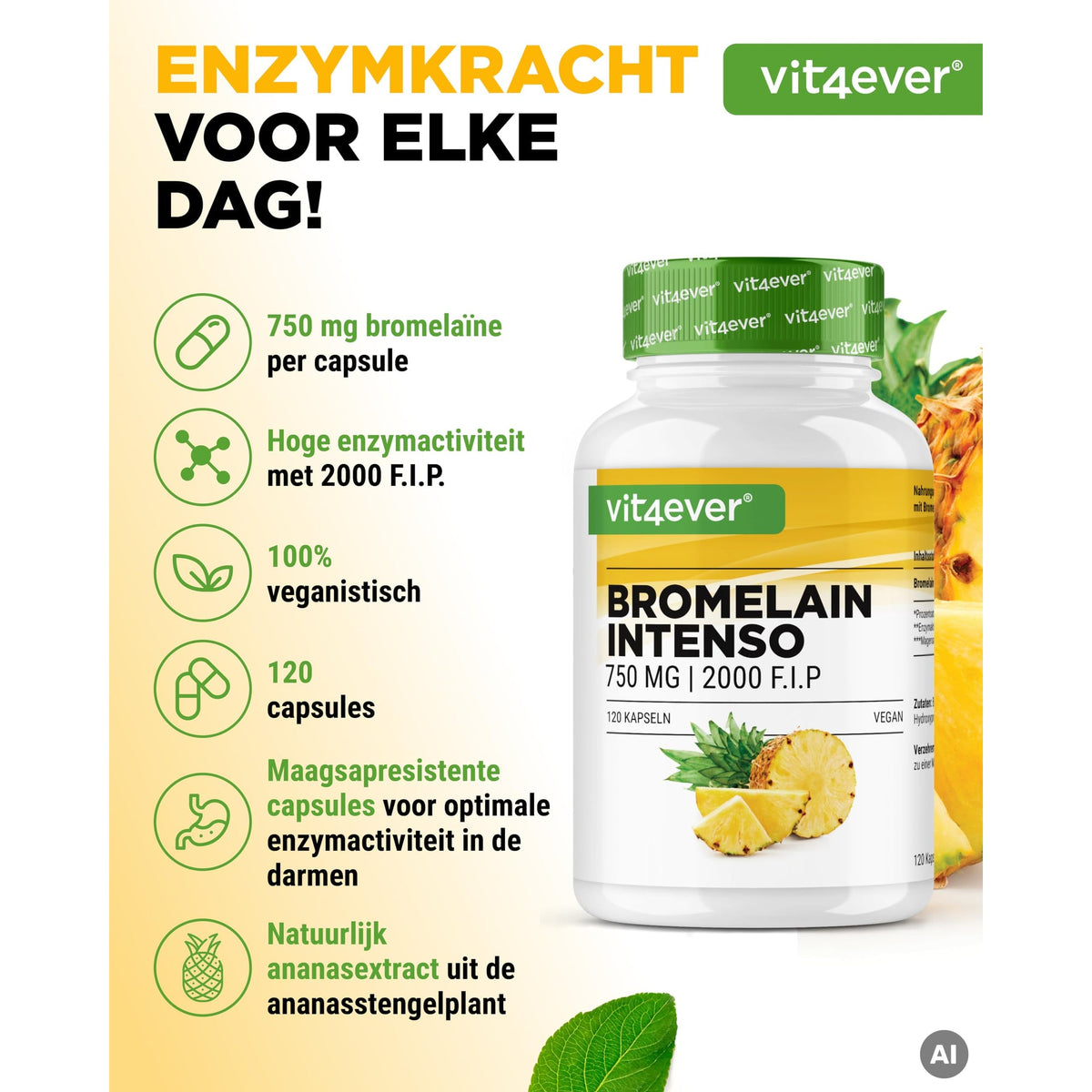
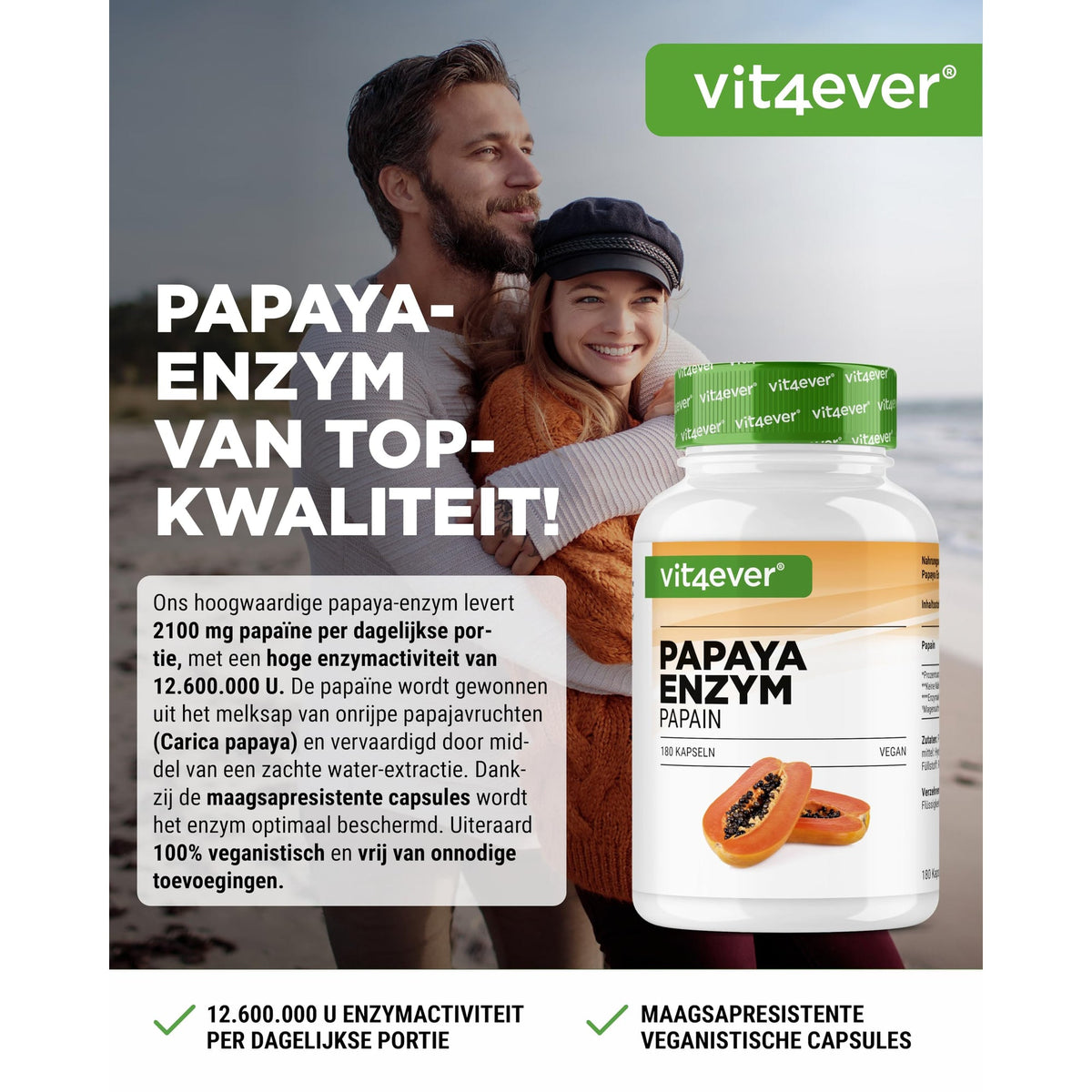
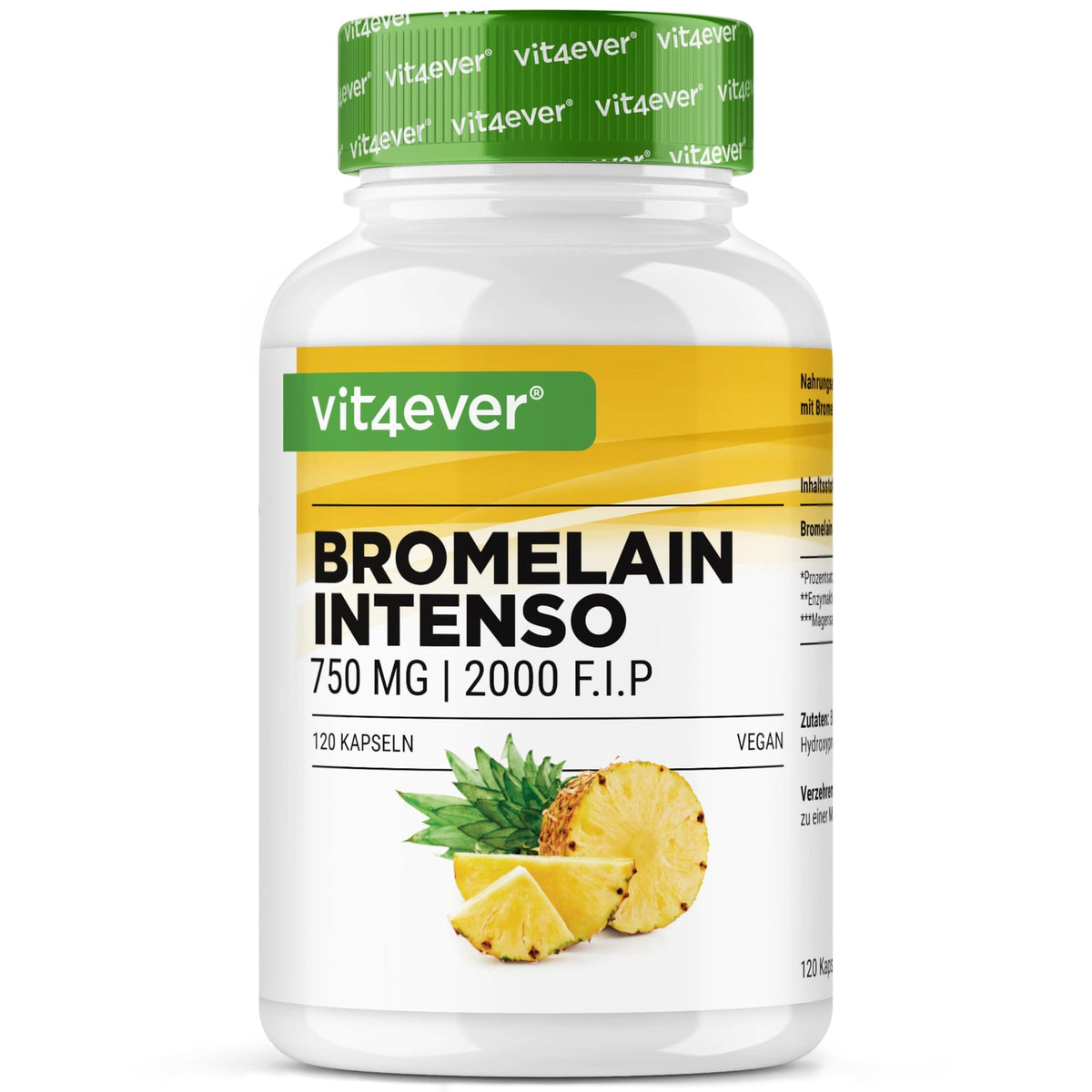
Bromelain is an enzyme obtained from the stem and fruit of the pineapple. Papain comes from papaya. Both are plant-based proteolytic enzymes that have traditionally occurred in food. The strength of bromelain is often expressed in F.I.P. or GDU units (for example 2,000, 4,500 or 7,500 F.I.P.). There are no permitted health claims for these plant-based enzymes; we therefore describe them exclusively by their origin, form and dosage according to the label.

Nattokinase

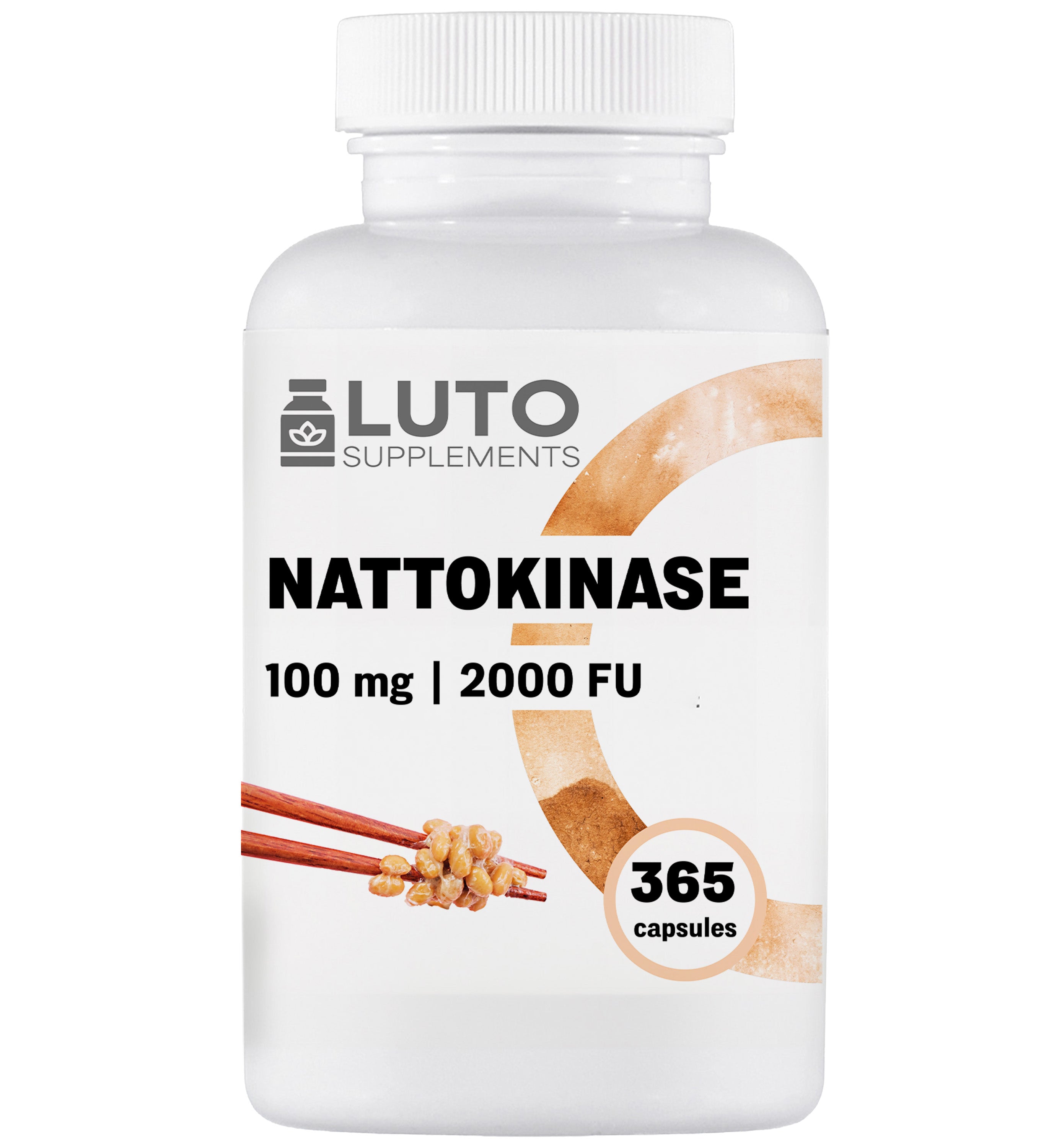
Nattokinase is an enzyme that is originally obtained from natto, a traditional Japanese dish of fermented soybeans. The strength is indicated in FU, for example 2,000 FU per capsule. There are no permitted health claims for nattokinase, which is why we treat it descriptively: what it is, its origin and the dosage as stated on the packaging.

Enzyme complexes and digestive enzymes

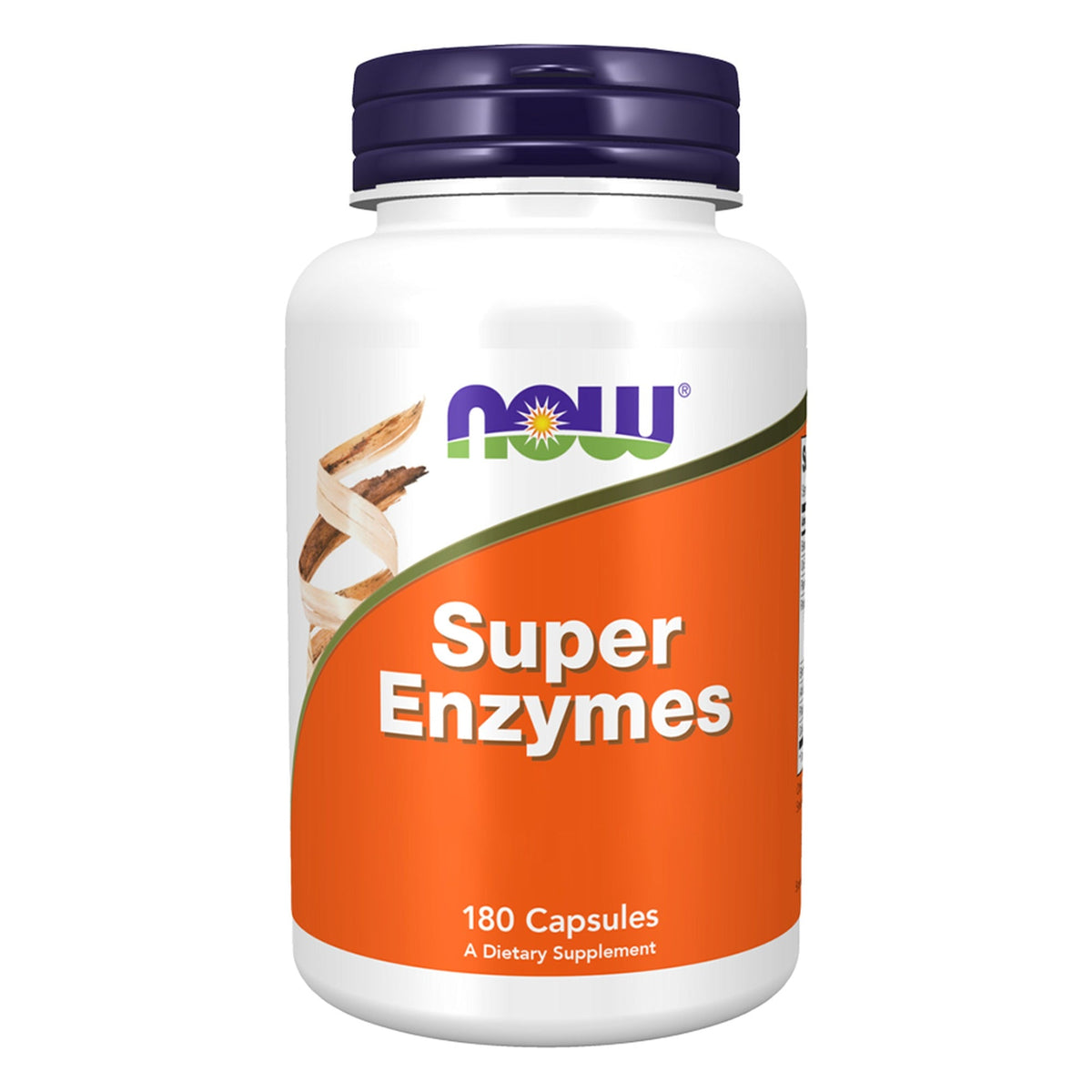
In addition to individual enzymes, there are complexes that combine multiple enzymes, sometimes supplemented with plant extracts or lactic acid bacteria. Examples include an enzyme complex with bromelain, papain, amylase, lipase, protease and rutin, or complexes based on standardized enzyme mixtures such as DigeZyme. These products are intended for those who want to combine multiple enzymes in one supplement.

Forms and variants

Enzymes are available in capsules, tablets and time-release or sustained-release variants that gradually release the enzyme. The choice depends on the enzyme type and your preference. When comparing, pay attention to the unit in which the strength is stated: FCC for lactase, F.I.P. or GDU for bromelain, and FU for nattokinase. Many products are also vegan, gluten-free or GMO-free; this is stated on the label.

Dosage

The correct dosage depends on the enzyme and the chosen product. Lactase is generally taken with a lactose-containing meal, while digestive enzymes are usually used just before or during a meal. Because the strengths and recommended amounts vary per product, always follow the directions for use on the packaging.

Who might enzymes be interesting for?

Enzyme supplements are interesting for people who want to specifically use a particular enzyme, or who prefer to use an enzyme complex to combine multiple enzymes. If you are unsure whether an enzyme is right for you, consult a doctor or dietitian, especially if you are taking medication.

What to look for when buying enzymes?

When purchasing, pay attention to the enzyme type, the strength in the correct unit (FCC, F.I.P. or FU), the form of administration and the number of capsules or tablets per package. Also compare whether it is an individual enzyme or a complex and whether the product is, for example, vegan or allergen-free. This way, you can choose an enzyme that suits your preference.

Also view our collections Digestion, Lactase, Bromelain and Nattokinase.

Need more advice?

Feel free to send us a message. We're happy to help and will answer your questions as soon as possible.
Tobian

Tobian

Customer service