Filter op
Filter op
ActieprijsVanaf €23,90
€372,90  / kg
Actieprijs€31,90
€375,29  / kg
Actieprijs€23,90
€538,29  / kg
Actieprijs€32,90
€609,26  / kg
Actieprijs€23,90
€628,95  / kg
Actieprijs€24,90
€461,11  / kg
UitverkochtNuvi Health Vitamine A + D3 + K2 Druppels 50 ml - voedingssupplement | kopen in Nederland en België Nuvi Health Vitamine A + D3 + K2 Druppels - voedingssupplement zonder onnodige toevoegingen
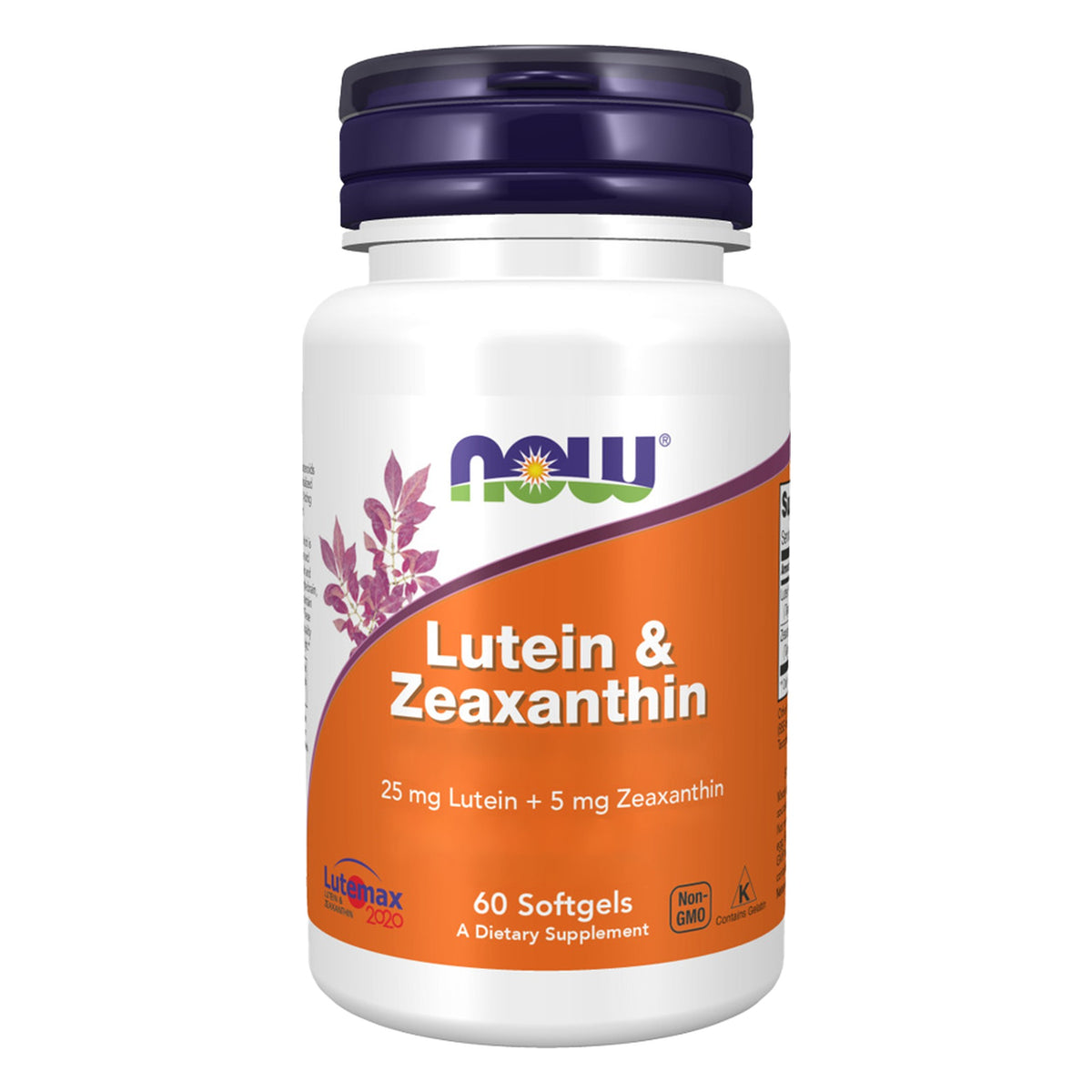
UitverkochtLuteïne 25mg & Zeaxanthine 5mg | 60 Softgels | NOW Foods

Buying for eye health: lutein, zeaxanthin, vitamin A and more

Lutein and zeaxanthin are two carotenoids that occur naturally in the macula (the yellow spot) of your eye. Your body does not produce them itself, so you obtain them through your diet, particularly green leafy vegetables and egg yolks. There are no permitted health claims for lutein and zeaxanthin themselves, but they are often combined with nutrients that do have them: vitamin A, riboflavin (vitamin B2) and zinc contribute to the maintenance of normal vision. DHA also contributes to the maintenance of normal vision; this applies to a daily intake of 250 mg of DHA.

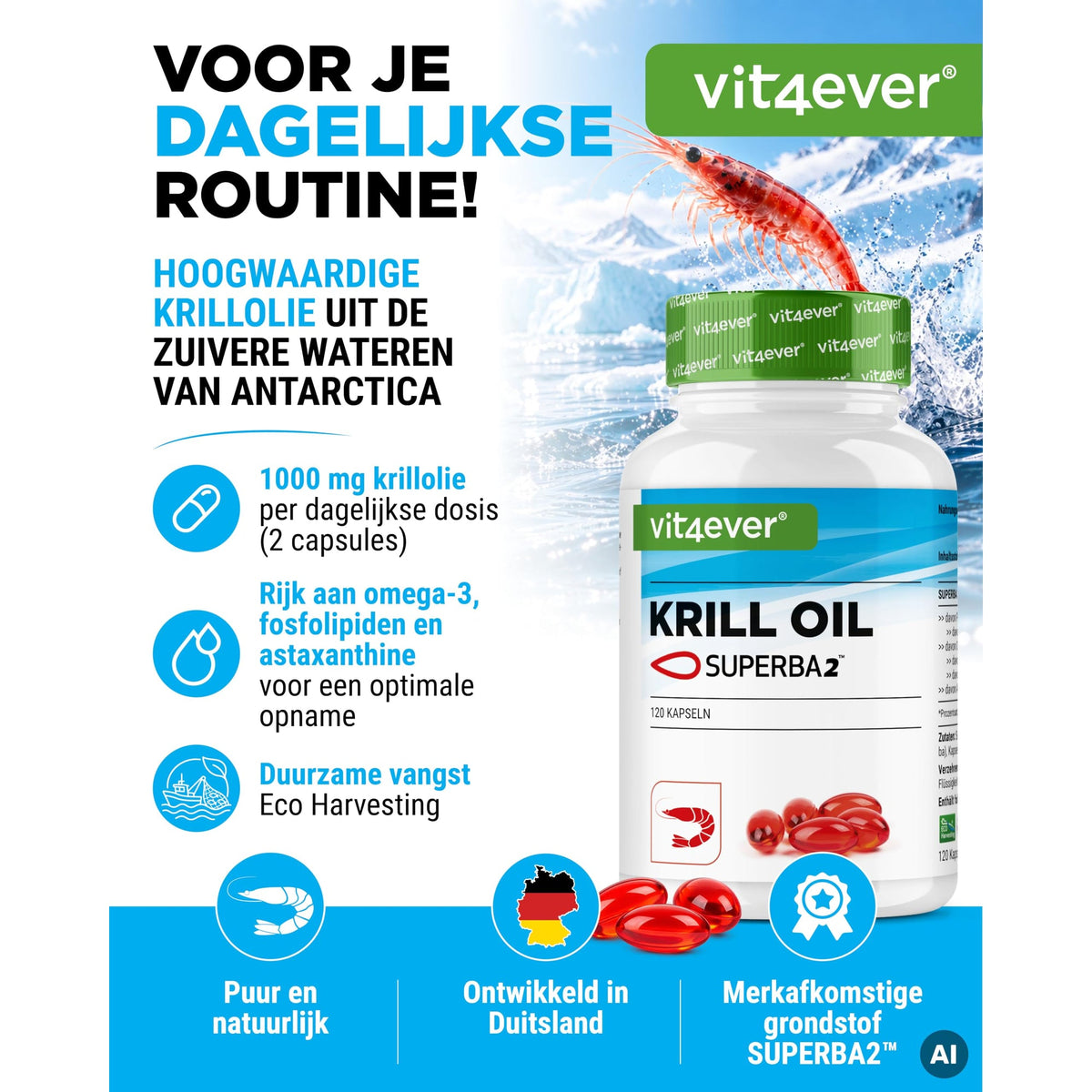
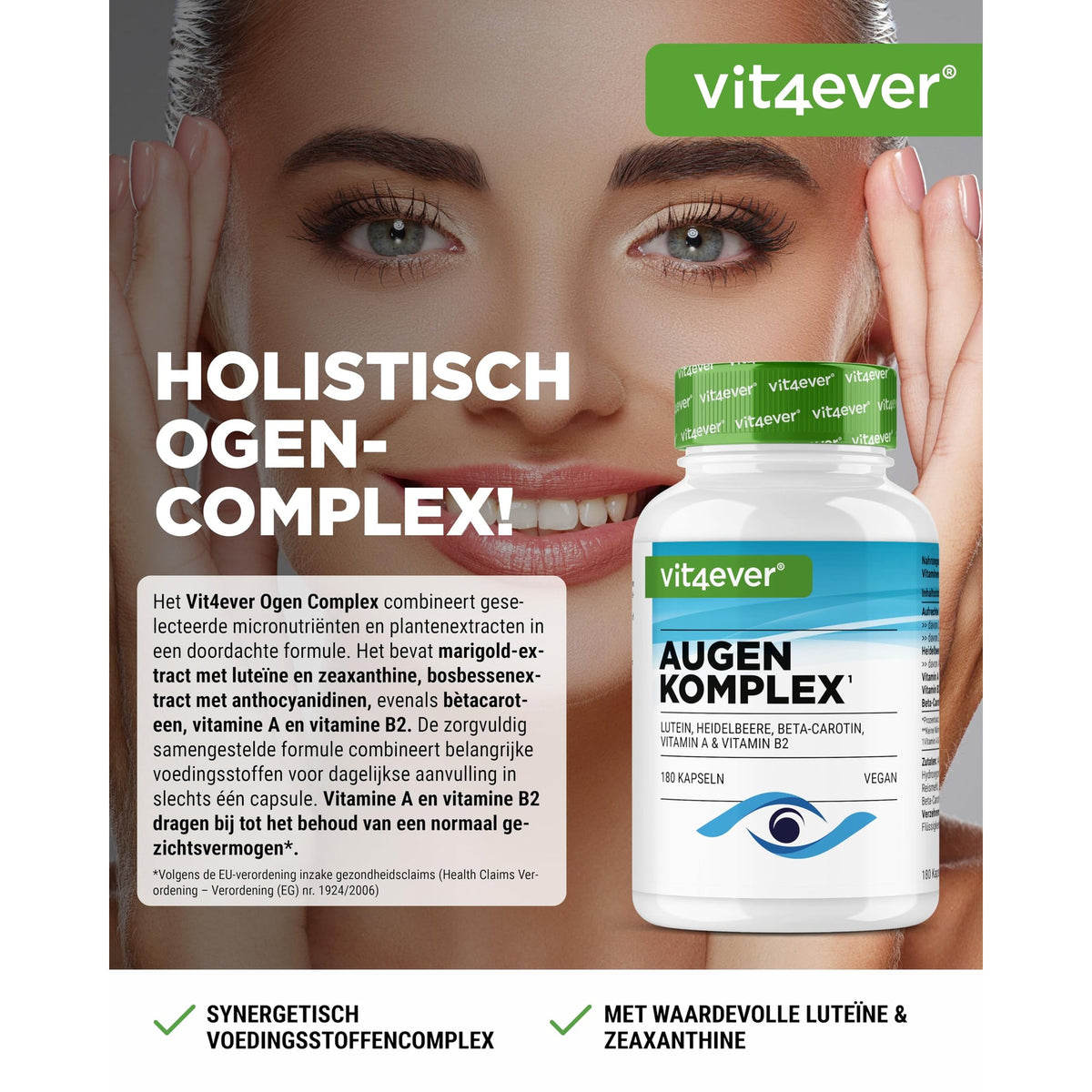
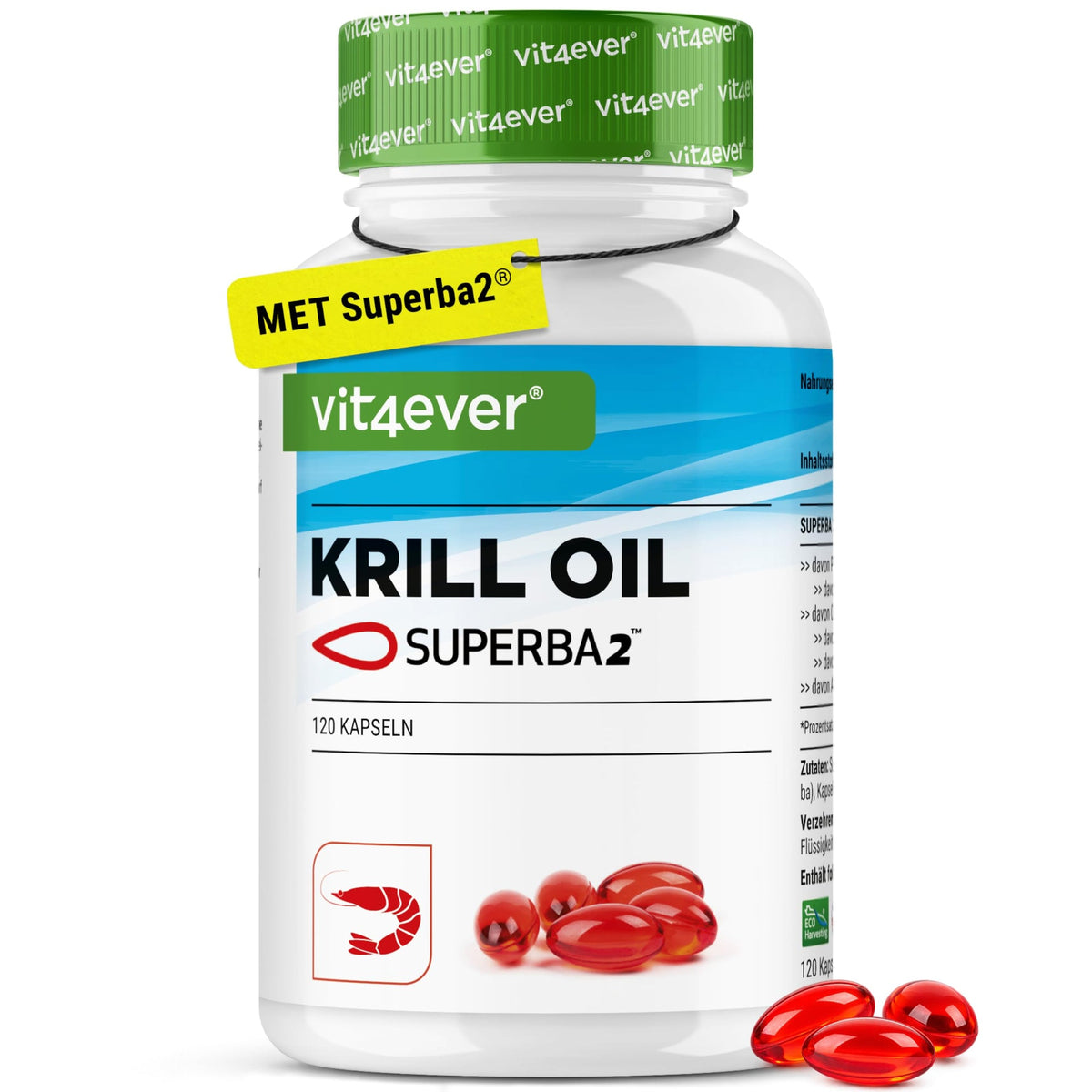
In this collection you will find: an Eye Complex with lutein, zeaxanthin, vitamin A, vitamin B2 and blueberry extract, astaxanthin (alone and combined with zeaxanthin), vitamin A alone or in combination with D3 and K2, and krill oil with omega-3 and astaxanthin. The forms range from capsules and softgels to tablets and drops, from brands such as Vit4ever, Swanson and Nuvi Health.

What are lutein and zeaxanthin?

Lutein and zeaxanthin belong to the carotenoids, the same group of natural plant pigments that includes beta-carotene. They give fruits and vegetables a yellow to orange colour and accumulate in the body mainly in the eye. Because the body does not produce these substances itself, you depend on what you eat or supplement. In supplements, they are usually extracted from marigold flowers (Tagetes erecta).

What foods naturally contain lutein and zeaxanthin?

The richest sources are dark green leafy vegetables such as kale, spinach and Swiss chard. Broccoli, peas, corn and egg yolks also provide lutein and zeaxanthin. If you eat little vegetable, a supplement can be a practical way to get a fixed amount. Blueberry extract naturally contains blue-purple pigments (anthocyanins) and is included in our Eye Complex.

Which nutrients contribute to normal vision?

A number of vitamins and minerals do have a permitted health claim for vision. Vitamin A contributes to the maintenance of normal vision, and the same applies to riboflavin (vitamin B2) and zinc. In addition, DHA contributes to the maintenance of normal vision; this claim only applies to a daily intake of 250 mg of DHA and therefore only to products that provide that amount per daily dose. Vitamin A and B2 are included in the Eye Complex and the standalone vitamin A in this collection.

Astaxanthin, lycopene and other carotenoids

In addition to lutein and zeaxanthin, this collection also contains astaxanthin, a bright red pigment from the microalga Haematococcus pluvialis, available alone or combined with zeaxanthin. There are no permitted health claims for astaxanthin and lycopene (the red pigment in tomatoes); we therefore only describe them here in terms of their origin and form. If you want to focus on a single carotenoid, view our separate collections.

Forms and variants

These supplements are available in various delivery forms. Capsules and softgels (such as the Eye Complex and the astaxanthin softgels) are convenient for a fixed dose. Tablets are available for vitamin A, among others. Drops, for example the vitamin A + D3 + K2 drops from Nuvi Health, are practical if you prefer not to swallow capsules and are easy to dose. Fat-soluble substances such as vitamin A and carotenoids are best taken with a meal containing some fat.

Daily dosage

The correct dosage depends on the product and the substance used. Lutein is often offered in supplements in daily doses of 10 to 20 mg, while astaxanthin is usually around 4 to 12 mg. For vitamin A, B2, zinc and DHA, the amounts stated on the label apply, based on the daily reference intake. Always stick to the recommended dosage and follow the directions for use on the packaging.

When should you take lutein and zeaxanthin?

Lutein, zeaxanthin and other carotenoids are fat-soluble, just like vitamin A. Therefore, it is best to take them during or immediately after a meal containing some fat. The time of day matters little; choose a regular time that is easy to stick to, for example with breakfast or the main meal. Always consult the directions for use on the packaging for the correct time to take them.

Who might these supplements be suitable for?

People who want to pay extra attention to their diet sometimes choose a product with vitamin A, B2 or zinc. Those who eat little green vegetables may also supplement with lutein and zeaxanthin. A supplement does not replace a varied diet. If you have eye complaints, consult a (general practitioner) or optometrist.

What to look for when buying?

Look at the exact amount of lutein and zeaxanthin per daily dose and whether it contains additional nutrients with a permitted claim for vision, such as vitamin A, vitamin B2 or zinc. Also pay attention to the form that suits you (capsule, softgel, tablet or drop), the origin of the carotenoids and certifications such as vegan or laboratory tested. Compare the price per daily dose rather than per package.

Also view our related collections Astaxanthin, Lycopene, Vitamin A and Omega-3 / Fish Oil.

Need more advice?

Feel free to send us a message. We're happy to help and will answer your questions as soon as possible.
Tobian

Tobian

Customer service