



Filter op
Filter op
Actieprijs€19,90
€19,90  / kg
Actieprijs€37,90
€41,74  / kg
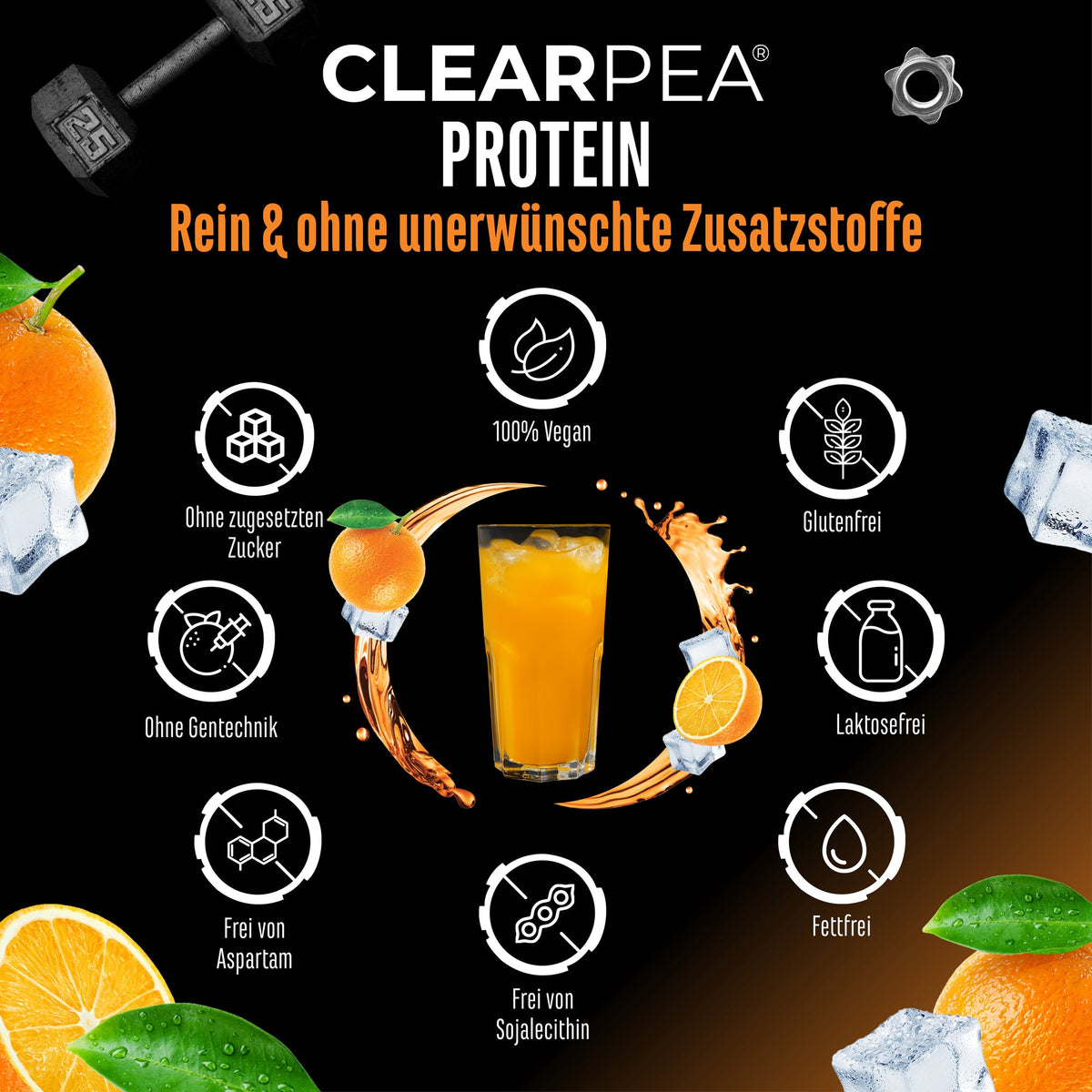
UitverkochtClearPea Vegan Clear Protein | 454 g | German Elite Nutrition - Sinaasappel - verpakking voorkant #Smaak_Sinaasappel ClearPea Vegan Clear Protein | 454 g | German Elite Nutrition - Sinaasappel - voordelen en kenmerken #Smaak_Sinaasappel
Actieprijs€31,90
€70,26  / kg
UitverkochtESN Vegan Designer Protein 2.0 Hazelnut Nougat 900 g - sportsupplement | kopen in Nederland en België
Actieprijs€44,90
€49,34  / kg
UitverkochtESN Designer Vegan Protein Bar 12 x 55g - sportsupplement | kopen in Nederland en België Designer Vegan Protein Bar vegan eiwitreep 12 x 55 g van ESN
Actieprijs€26,90
€40,76  / kg

Vegan protein: plant-based protein powders and bars

More and more athletes choose plant-based protein because they eat vegan, are intolerant to milk, or simply want to vary their intake. Plant-based protein powders are made from ingredients such as peas and rice and, like whey, dissolve in water or plant-based milk. Protein contributes to an increase in muscle mass and to the maintenance of muscle mass. In addition, protein contributes to the maintenance of normal bones.

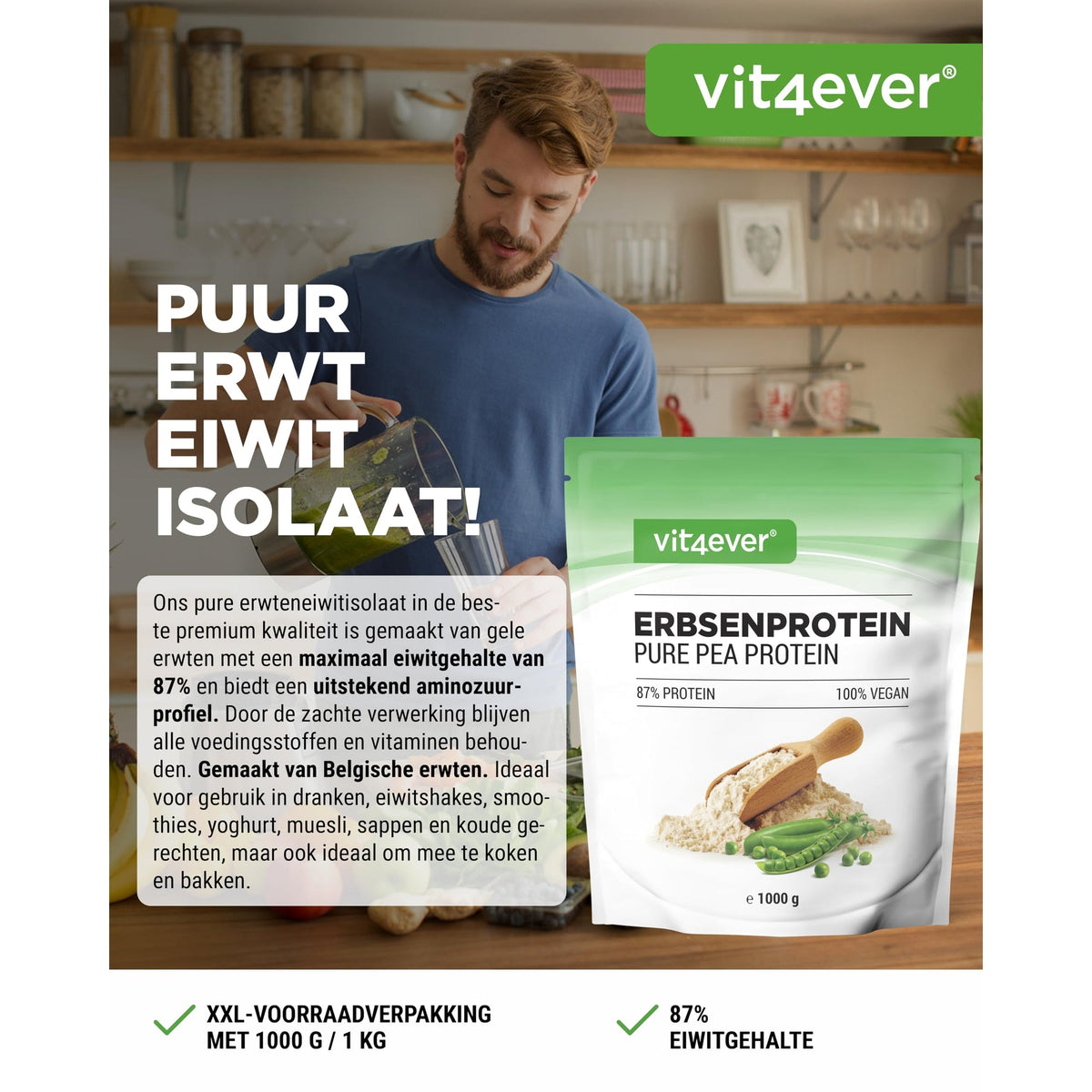
Our range includes ESN Vegan Designer Protein 2.0, Vit4ever's pure Pea Protein Powder, German Elite Nutrition's ClearPea Vegan Clear Protein, Vit4ever's Vegan Barista range with coffee and matcha, and the ESN Designer Vegan Protein Bar for on the go.

What is vegan protein?

Vegan protein is a collective term for protein powders and protein products without animal-derived ingredients. The proteins are isolated from plants, usually yellow peas, brown rice, soy, hemp, or pumpkin seeds. The plant material is ground, the protein is separated from starch and fiber, and then dried into a powder. Depending on the source and processing, the protein content is often between 70 and 85 percent. Products without milk, egg, or gelatin are suitable for a fully plant-based diet.

Pea protein and blends

Pea protein is one of the most commonly used plant-based protein sources. It has a mild taste and contains relatively high levels of lysine, an amino acid that is found in smaller quantities in grains. Rice protein, in turn, contains more methionine. Combining peas and rice creates a blend with an amino acid profile that is closer to that of animal protein. Vit4ever's Pea Protein Powder is a single-source product, while ESN Vegan Designer Protein 2.0 combines several plant-based sources.

How much protein do you need?

For adults, the guideline is approximately 0.8 grams of protein per kilogram of body weight per day. Athletes often aim for 1.2 to 2 grams per kilogram. Those who eat fully plant-based sometimes choose the upper end of that range, because plant-based protein sources are on average slightly less digestible than animal-based ones. A serving of vegan protein powder usually provides between 20 and 25 grams of protein. Combine different sources throughout the day, such as legumes, tofu, nuts, and grains, for a varied amino acid intake.

Clear protein and protein coffee

In addition to classic creamy shakes, there are other forms. German Elite Nutrition's ClearPea Vegan Clear Protein is a clear, refreshing drink based on pea protein, which is more reminiscent of lemonade than a milkshake. Vit4ever's Vegan Barista range is available in Classic and Matcha and is intended for those who want to combine protein with a coffee or matcha moment. Due to the coffee or matcha, these products contain caffeine.

Vegan protein bars

For on the go, there is the ESN Designer Vegan Protein Bar, a 55-gram plant-based protein bar. A bar is convenient as a snack at work, in your bag after a workout, or while traveling when you do not have a shaker handy. In addition to the protein content, also look at the sugars, fiber, and number of kilocalories per bar, so you know how it fits into your daily diet.

Taste and preparation

Plant-based protein naturally has a slightly earthier taste and a thicker texture than whey. Flavored variants such as Hazelnut Nougat, Milky Chocolate, and Cinnamon Cereal largely mask this. Shake a serving with 250 to 300 ml of water, oat milk, or soy milk. In a blender with a banana, frozen fruit, or oats, it becomes a full smoothie. Neutral pea protein can also be incorporated into pancakes, breakfast bowls, or soups to increase the protein content of a meal.

Allergens and label

Vegan protein is dairy-free, making it an alternative for people who are intolerant to milk protein or lactose. Do pay attention to other allergens: soy is present in some blends, and products may contain traces of nuts or gluten due to the production environment. Therefore, always check the label of the specific product. Also compare the protein content per serving, the sweeteners used, and any additives such as thickeners.

Need more advice?

Feel free to send us a message. We're happy to help and will answer your questions as soon as possible.
Tobian

Tobian

Customer service