


































Passion flower
Passion flower is the Dutch name for Passiflora incarnata, a climbing plant whose aerial herb has been used for centuries in traditional herbal blends. No health claims for passion flower have yet been approved under European legislation, which is why we only describe here what it is and how it has traditionally been used, without making any statements about its effects. In our range, you will find passion flower as a pure 10:1 extract in capsules and incorporated into a composite evening formula with valerian, ashwagandha, chamomile, and hops, among others. This way, you can choose between a single passion flower supplement or a broader herbal formula.


Buy passionflower: 10:1 extract and evening formulas with passiflora
Passionflower is the Dutch name for Passiflora incarnata, a climbing plant that originates from North and South America. The above-ground parts of the plant, the herb, have been used in traditional herbal blends for centuries. Today, passionflower is mainly found as a standardized extract in capsules and as part of composite evening formulas. No health claims for passionflower have yet been approved under European legislation, so on this page we describe what it is and how it has traditionally been used, without making any claims about its effects.
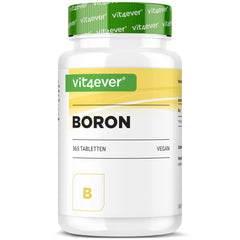
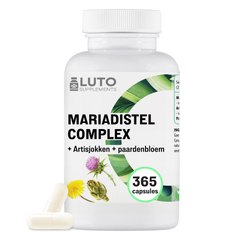
In this collection you will find passionflower in various forms: as pure 10:1 passionflower extract in a high capsule dosage from Vit4ever, and incorporated into the Slaap Lekker Formule by LUTO Supplements, in which passionflower is combined with ashwagandha, valerian root, chamomile, hops, and more. This allows you to choose between a single passionflower supplement or a broader herbal formula.
What is passionflower?
Passionflower refers to the plant species Passiflora incarnata, also known as passiflora. The striking flower with its crown of thread-like rays gave the plant its name. For supplements, the herb is mainly used: the above-ground parts such as the leaves, stems, and vines. These are dried and processed into powder or a concentrated extract.
Where does Passiflora incarnata come from?
Passiflora incarnata is native to the southeastern United States and parts of Central and South America. The plant grows as a climber and was already used by indigenous peoples in herbal preparations. Through explorers, passionflower also became known in Europe, where it found a permanent place in traditional herbal medicine. Today, passionflower is grown for use in tea and dietary supplements.
Traditional use of passionflower
Passionflower has traditionally been used in herbal blends, often in combination with plants such as valerian, hops, lemon balm, and chamomile. Because there are no EFSA-approved health claims for passionflower, we make no promises about an effect. Here we exclusively describe how passionflower has been used historically and culturally.
Forms and variants: extract, capsules, and formulas
Within this collection you will encounter passionflower in two main forms. The first is a single 10:1 passionflower extract: a concentration in which ten parts of plant material have been reduced to one part extract, supplied in capsule form. The second is a composite formula, in which passionflower forms one of eight ingredients alongside ashwagandha (KSM-66), valerian root, chamomile, hops, L-theanine, 5-HTP, and GABA. A single extract gives you control over a separate passionflower dosage, while a formula combines various herbs and substances in one product.
Dosage of passionflower
The amount of passionflower varies per product and per form. For a concentrated 10:1 extract, the capsule dosage is generally lower than for unconcentrated plant powder, because the extract is more concentrated. In a composite formula, passionflower is balanced with the other ingredients. Always follow the directions for use on the packaging for the correct dosage and do not exceed the recommended daily dosage.
When do you take passionflower?
The time of intake varies per product and per form. Passionflower is traditionally used mainly at the end of the day or in the evening, and therefore often appears in evening formulas. Whether you take a capsule with a meal or at another time depends on the specific product. Follow the directions for use on the packaging for the recommended time of intake.
Who is passionflower interesting for?
Passionflower mainly appeals to people who are looking for a plant-based supplement from the traditional herbal category and who prefer either a single extract or a broader evening formula. The Vit4ever capsules are suitable for those who want to supplement with passionflower separately; the Slaap Lekker Formule by LUTO is suitable for those who want to combine multiple herbs in one product. If you use medication, are pregnant, or are breastfeeding, consult a doctor or pharmacist first.
What to look for when buying passionflower?
When purchasing, pay attention to the plant species (Passiflora incarnata), the plant part used (the herb), and the extract ratio, such as 10:1. Also look at the capsule composition, whether the product is vegan, and what other ingredients are in it. For a composite formula, it is useful to look at the full ingredient list, so you know which herbs and substances are included alongside passionflower. Also check the shelf life and store the product in a dry place out of reach of children.
Passionflower in evening formulas
Passionflower often appears in composite evening formulas. Because there are no approved health claims for passionflower, we make no claims about an effect. However, we can explain that passionflower is traditionally used in evening blends, often together with valerian and hops.
Passionflower tea or capsules?
Passionflower is available as loose or dried tea and as capsules with plant powder or extract. Tea is a traditional way to use the herb, while capsules with a standardized extract offer a fixed, easily measurable amount per capsule and are easy to take with you. In this collection, the emphasis is on the capsule form, both as pure extract and within a formula.
Also view our other collections: Ashwagandha, 5-HTP, GABA, and Herbs & Plants.
Need more advice?

Tobian
Customer service