








Filter op
Filter op
ActieprijsVanaf €8,90
€21,19  / l
Actieprijs€47,90
€39,92  / kg
ActieprijsVanaf €3,90
€38,25  / kg
Actieprijs€20,90
€34,83  / kg
Actieprijs€27,90
€23,25  / kg
Actieprijs€36,90
€55,91  / kg
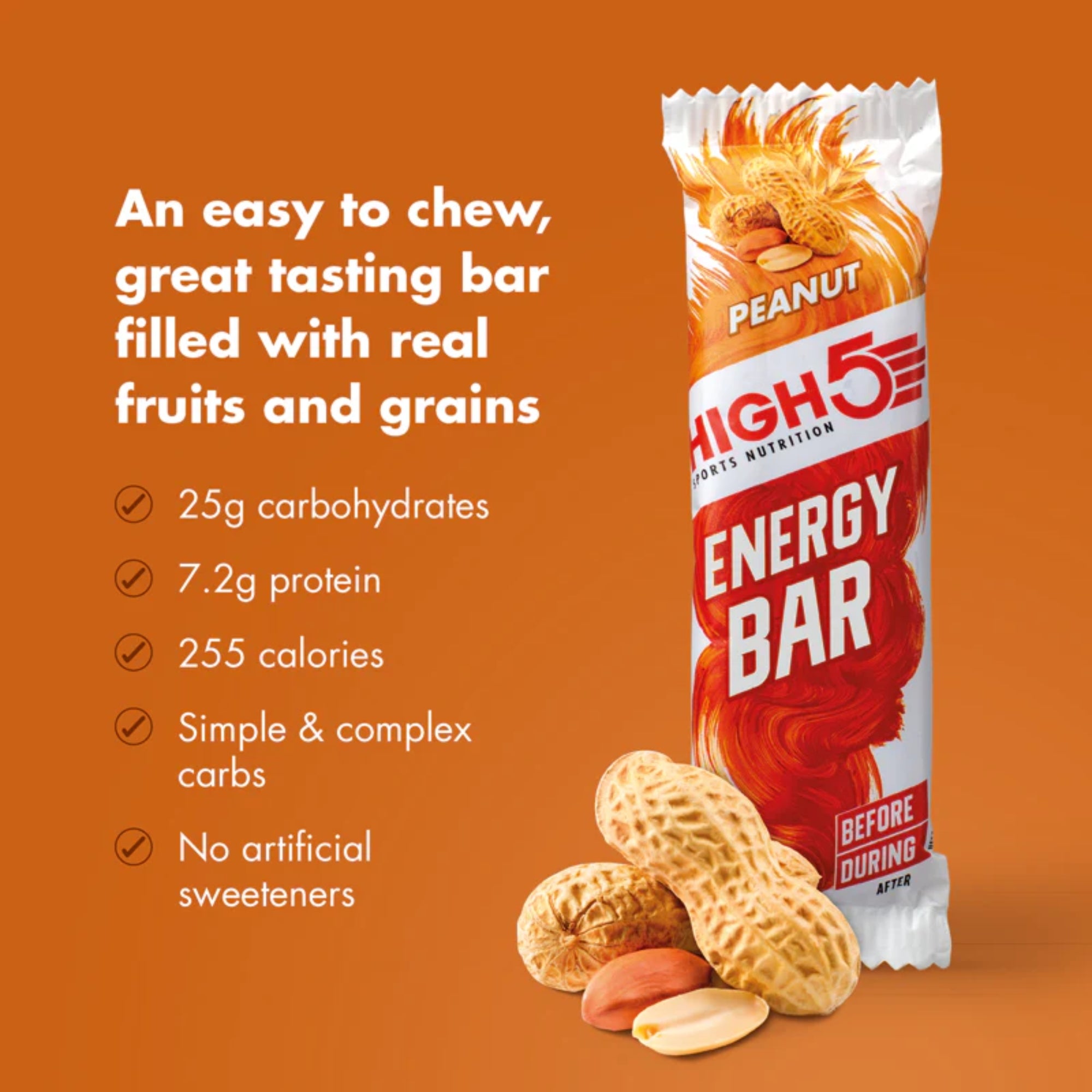
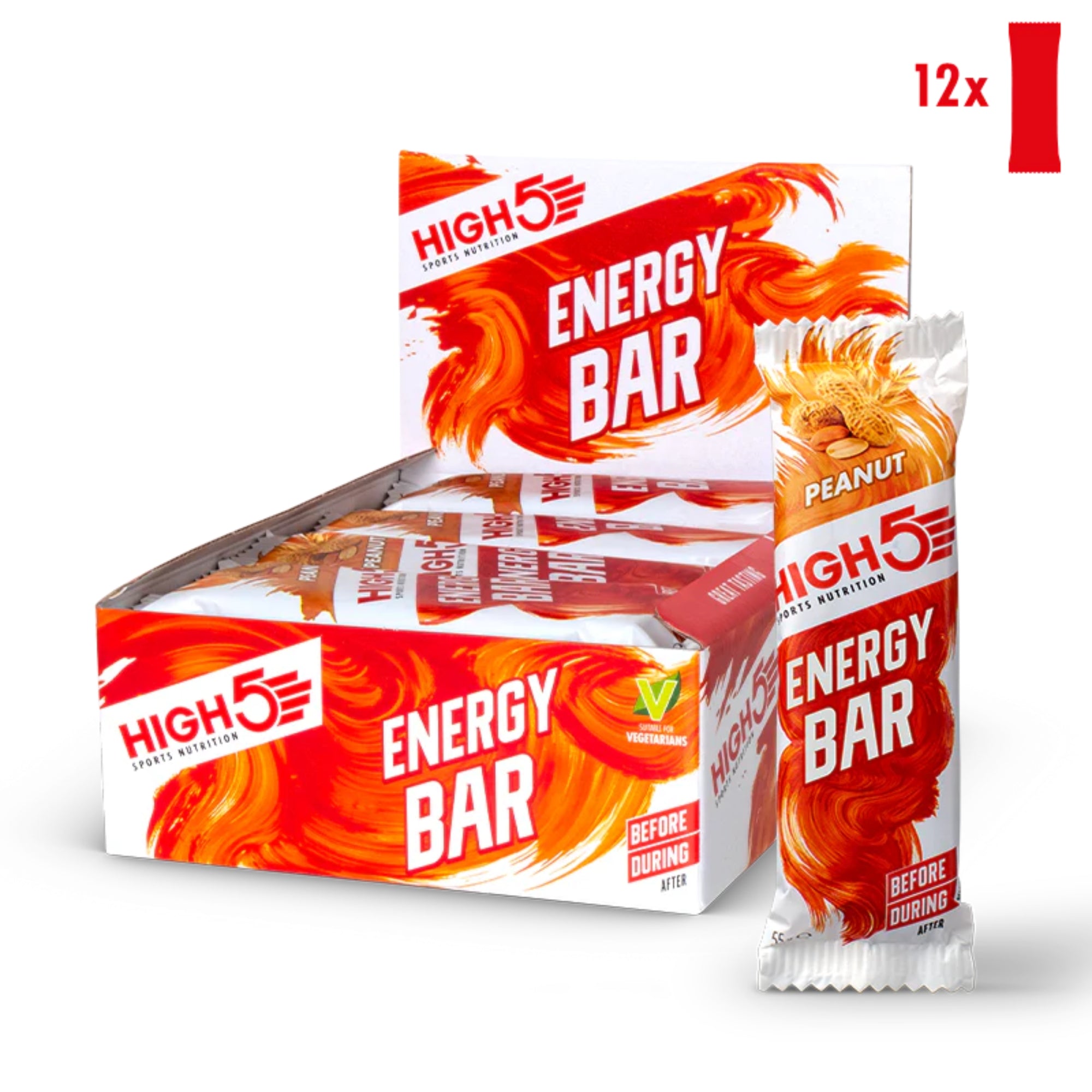
UitverkochtHigh5 Energy Bar Energiereep 12 x 55g - sportsupplement | kopen in Nederland en België High5 Energy Bar Energiereep - sportsupplement zonder onnodige toevoegingen
Actieprijs€20,90
€31,67  / kg

Energy bars: solid food for training and on the go

An energy bar is a compact source of carbohydrates that is easy to carry in your back pocket, backpack, or bag. Endurance athletes often use bars in the first hours of a long ride or trip, when solid food still sits well. Others use them as a snack before or after training.

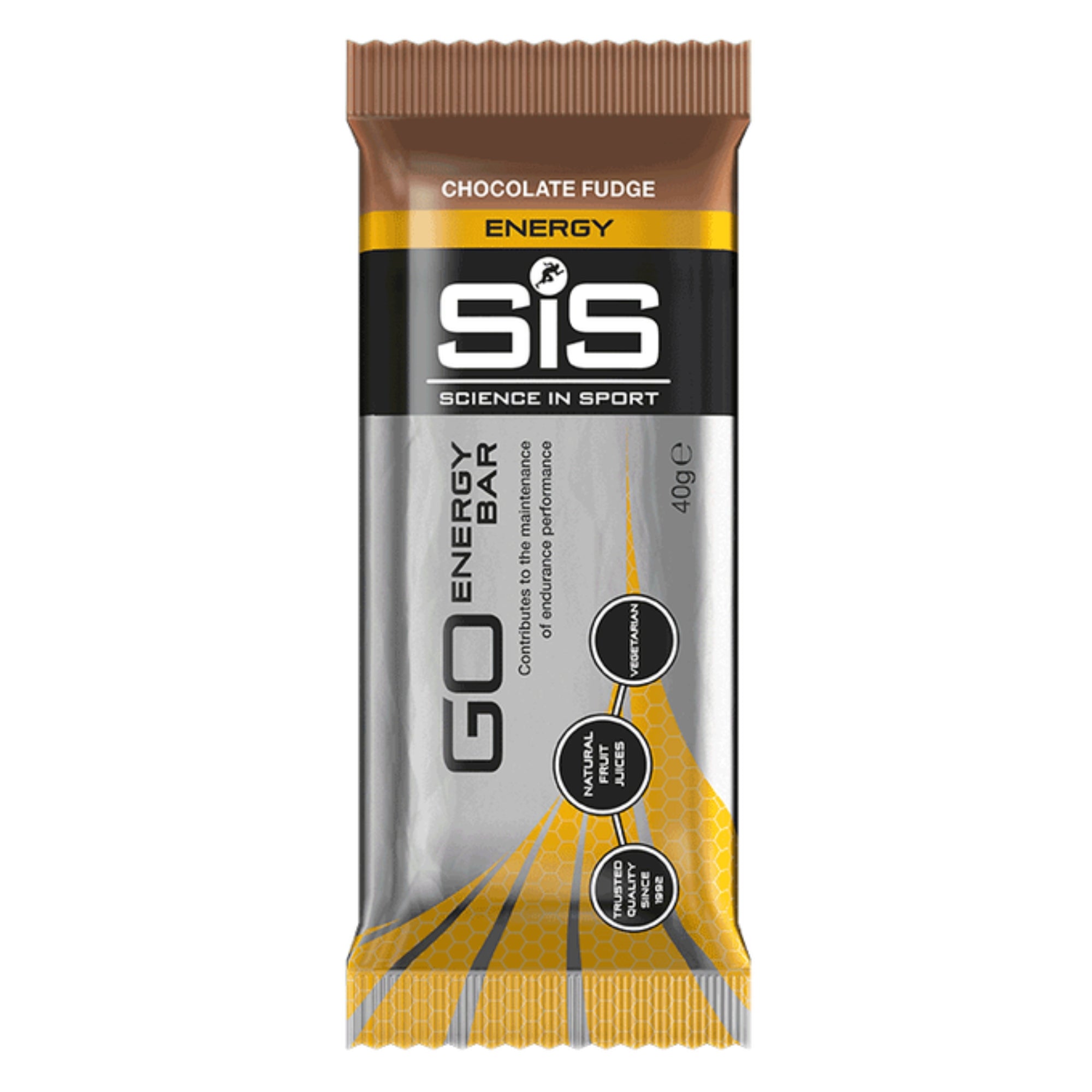
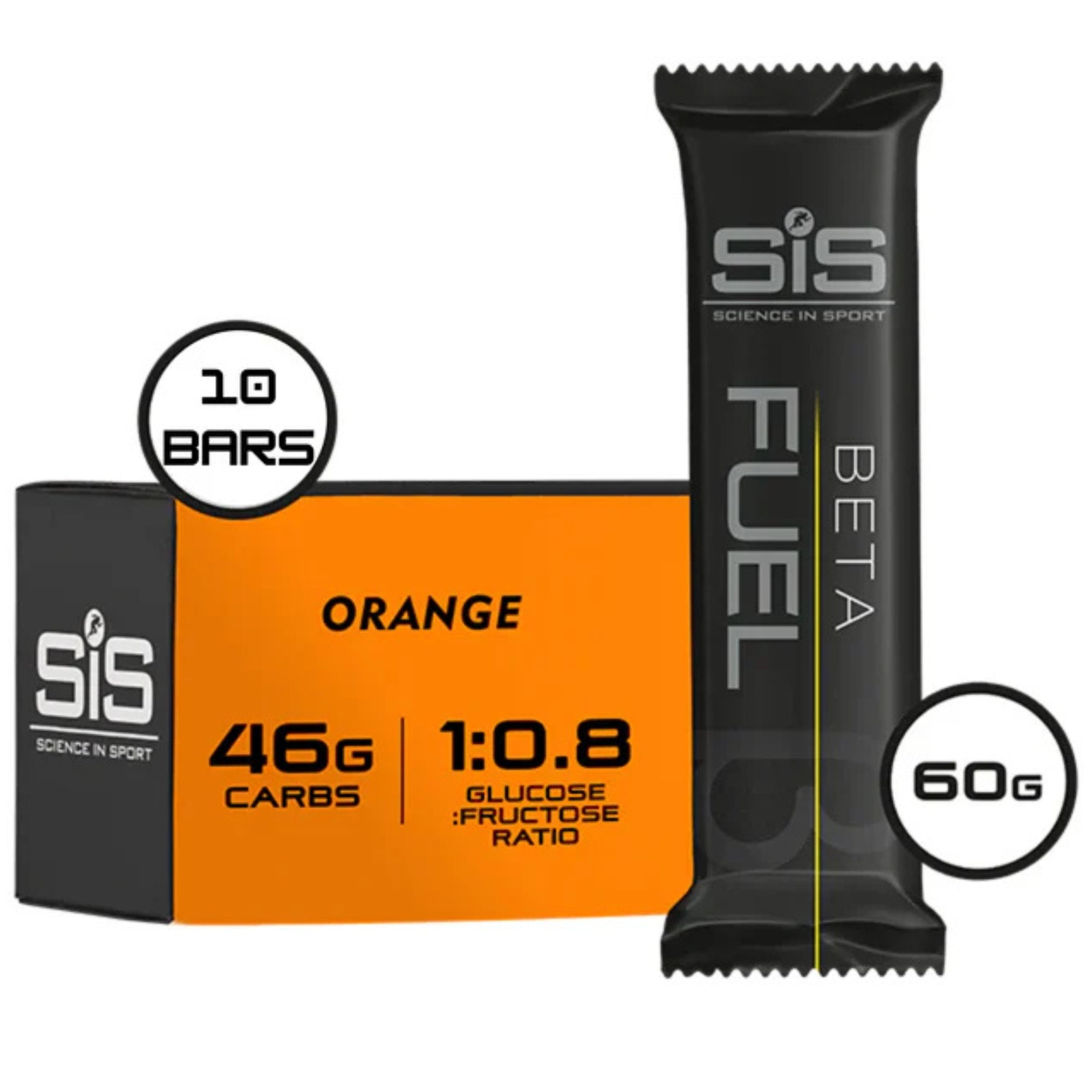
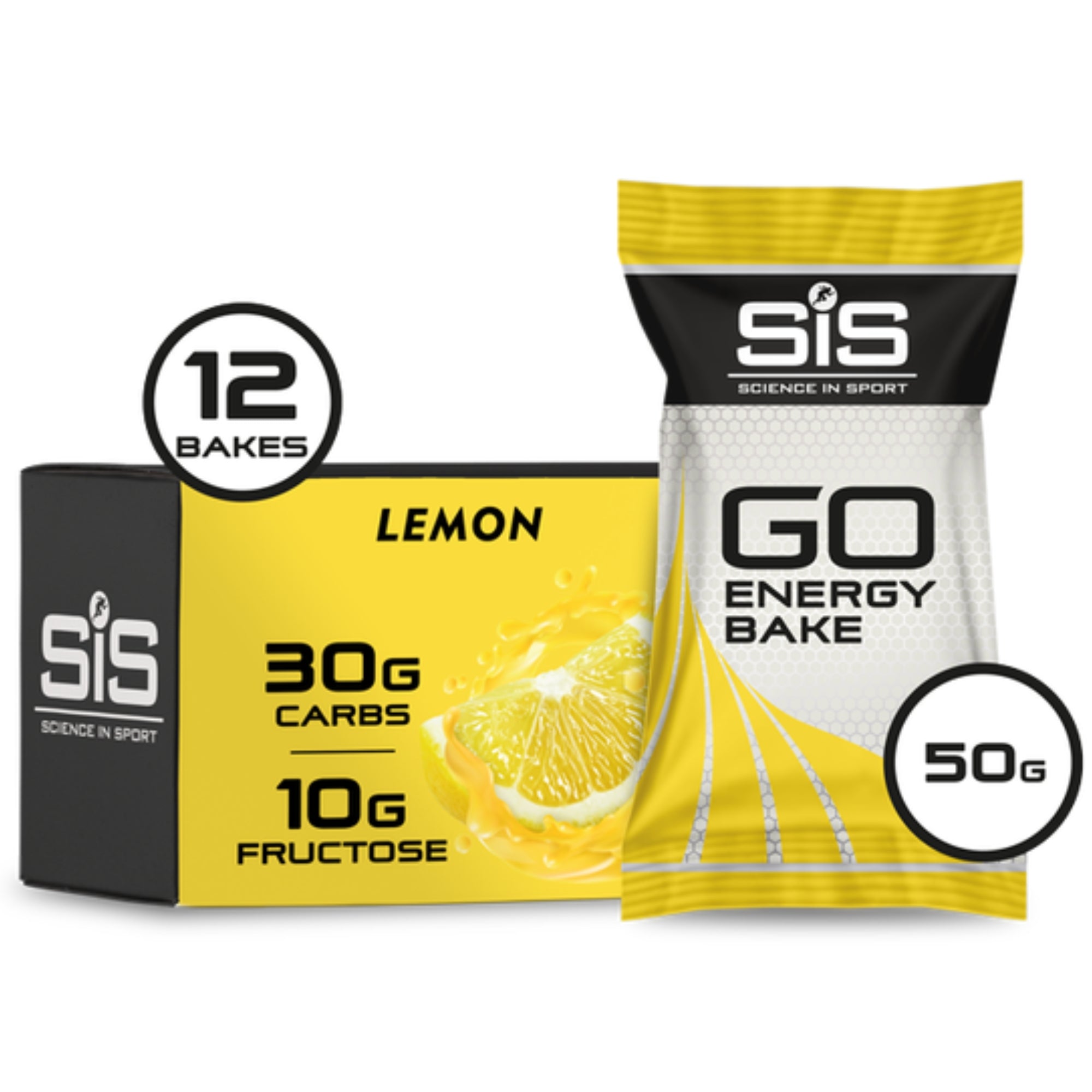
In this collection you will find the SiS GO Energy Bar with 25 grams of carbohydrates per bar, SiS GO Energy Bake, the SiS Beta Fuel Energy Chew Bar, the HIGH5 Energy Bar, Maurten Solid 160 and Solid C 160, and from ESN the Designer Oatbar and GOAT Bar breakfast bars.

What is an energy bar?

An energy bar consists largely of carbohydrates, often from oats, rice, dried fruit, glucose syrup, or maltodextrin. Unlike a protein bar, the emphasis is not on protein, but on carbohydrates. Most energy bars contain between 25 and 45 grams of carbohydrates per bar. Some bars also contain some fiber, fat, or protein, making them digest more slowly than a gel.

Energy bars and energy chews

Classic energy bars, such as the SiS GO Energy Bar and the HIGH5 Energy Bar, have a soft, chewy texture based on fruit or oats. SiS GO Energy Bake is a baked bar that is more like a cookie. The SiS Beta Fuel Energy Chew Bar is a chew bar with a gummy texture, designed to be easy to eat during high intensity. Maurten Solid 160 is a bar based on oats and rice.

Oat bars and breakfast bars

Not every bar in this collection is intended for during a race. The ESN Designer Oatbar is a substantial 100-gram oat bar, handy as a snack or before a long trip. The ESN GOAT Bar is a breakfast bar in flavors such as Berries, Salty Peanut, Banana Bread, and Apple Cinnamon. Such bars generally contain more fiber and are more of a meal supplement than sports nutrition for during exercise.

When do you eat an energy bar?

During long endurance exercises, such as a multi-hour bike ride, many athletes eat solid food at the beginning and later switch to gels and drinks. When running, most people tend to choose gels, because chewing while running is more difficult. A bar can also be a snack before or after training. Always try out how a bar sits during training before using it in a race.

How many carbohydrates per hour?

In sports nutrition practice, amounts of 30 to 60 grams of carbohydrates per hour are often recommended for exercise lasting longer than an hour, and up to 90 grams for very long exercise. An energy bar provides a good portion of that. Combine bars with sports drink or gels to reach your goal per hour, and drink plenty, especially with bars that contain more fiber.

Flavor and shelf life

Bars come in fruity flavors such as Red Berry, Lemon, and Strawberry, and in sweeter varieties such as Banana Fudge and Chocolate Fudge. In cold weather, some bars can become harder; wear them close to your body. Store bars in a cool, dry place, pay attention to the expiration date, and always take the packaging back with you.

Allergens and label

Energy bars often contain oats and therefore gluten, and sometimes nuts, peanuts, milk, or soy. Therefore, always check the label of the specific bar, especially in the case of an allergy. Also compare the amount of carbohydrates, sugars, fiber, and kilocalories per bar, so you know how it fits into your nutrition plan.

Need more advice?

Feel free to send us a message. We're happy to help and will answer your questions as soon as possible.
Tobian

Tobian

Customer service