










Filter op
Filter op
Actieprijs€20,90
€65,31  / kg
Actieprijs€21,90
€37,50  / kg
Actieprijs€21,90
€75,00  / kg
Actieprijs€19,90
€82,92  / kg
Actieprijs€25,90
€214,05  / kg
Actieprijs€27,90
€344,44  / kg
Actieprijs€35,90
€377,89  / kg
Actieprijs€19,90
€87,67  / kg
UitverkochtCalcium 800 mg Calciumcarbonaat tabletten van Vit4ever Calcium 800 mg Calciumcarbonaat tabletten van Vit4ever - verpakking
ActieprijsVanaf €20,90
€49,76  / kg

Buy calcium: carbonate, citrate and combinations

Calcium is the most common mineral in the body. Calcium is needed for the maintenance of normal bones and teeth and contributes to normal muscle function, normal blood clotting, normal energy-yielding metabolism and normal neurotransmission. The vast majority of the calcium in the body is found in the bones and teeth. The body does not produce calcium itself; it comes from food. In our range, you will find calcium as a standalone supplement, in the form of calcium carbonate and calcium citrate, and in combination with magnesium or in electrolyte and mineral complexes.

What is calcium and what does it do?

Calcium is an essential mineral. For calcium, the following health claims are permitted, among others: calcium is needed for the maintenance of normal bones and teeth. In addition, calcium contributes to normal muscle function, normal blood clotting, normal energy-yielding metabolism, normal neurotransmission and the normal function of digestive enzymes. Calcium also plays a role in the process of cell division and differentiation. The label of each product states how much calcium is provided per serving, expressed in milligrams.

Calcium and vitamin D

Calcium is regularly combined with vitamin D in supplements. Vitamin D contributes to the normal absorption/utilization of calcium and phosphorus and to normal calcium levels in the blood. Calcium itself is needed for the maintenance of normal bones. On the label of a combination product, you will see how much calcium and how much vitamin D a serving provides.

What contains calcium?

Calcium occurs naturally in various foods. The best-known sources are dairy products such as milk, cheese and yogurt. In addition, green leafy vegetables such as kale and broccoli, legumes, nuts, seeds (such as sesame and almonds) and small fish with bones (such as sardines) provide calcium. There are also calcium-enriched products, including plant-based drinks. For people who consume little dairy, for example as part of a vegan diet, a calcium supplement can be a practical addition.

Calcium carbonate or calcium citrate: which form should you choose?

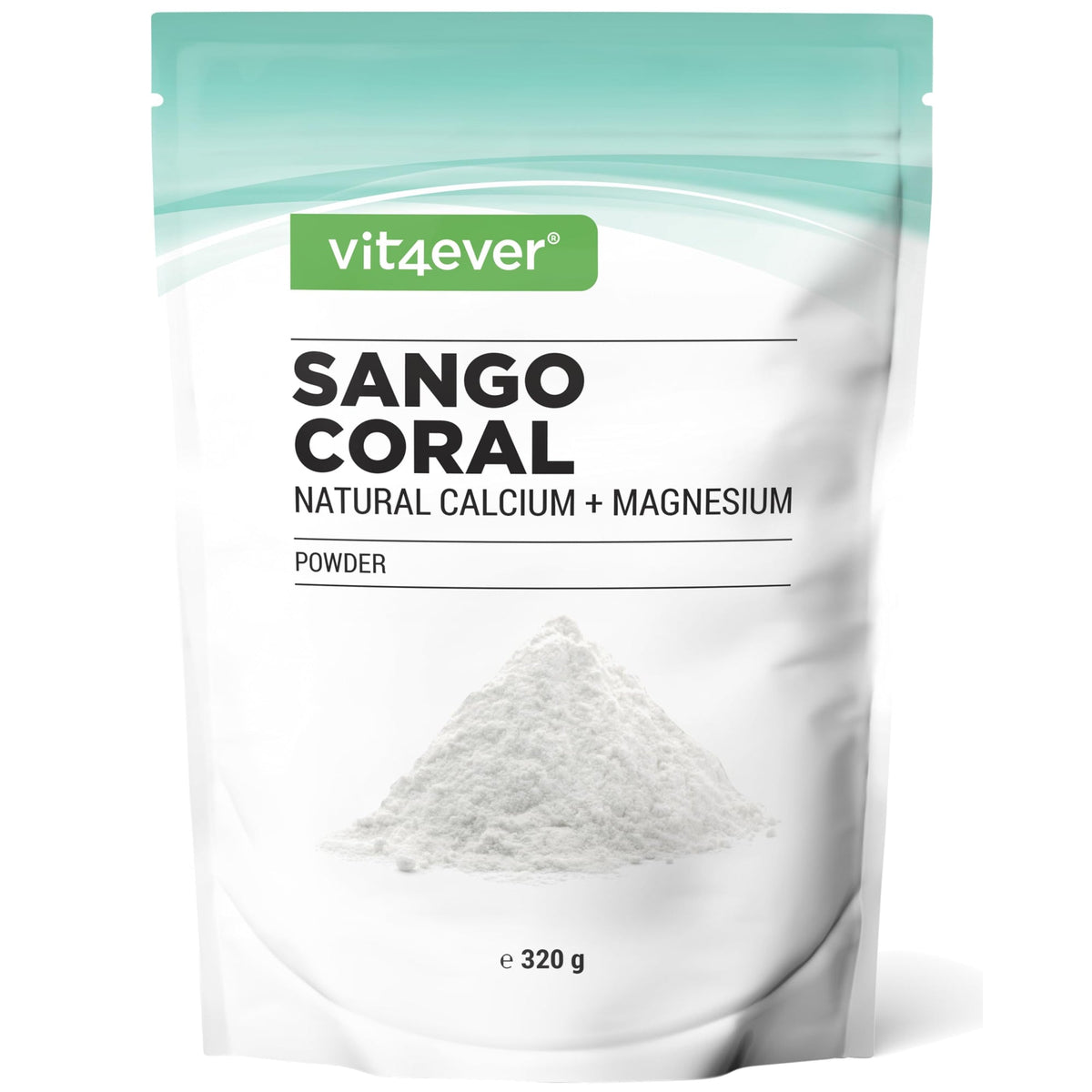
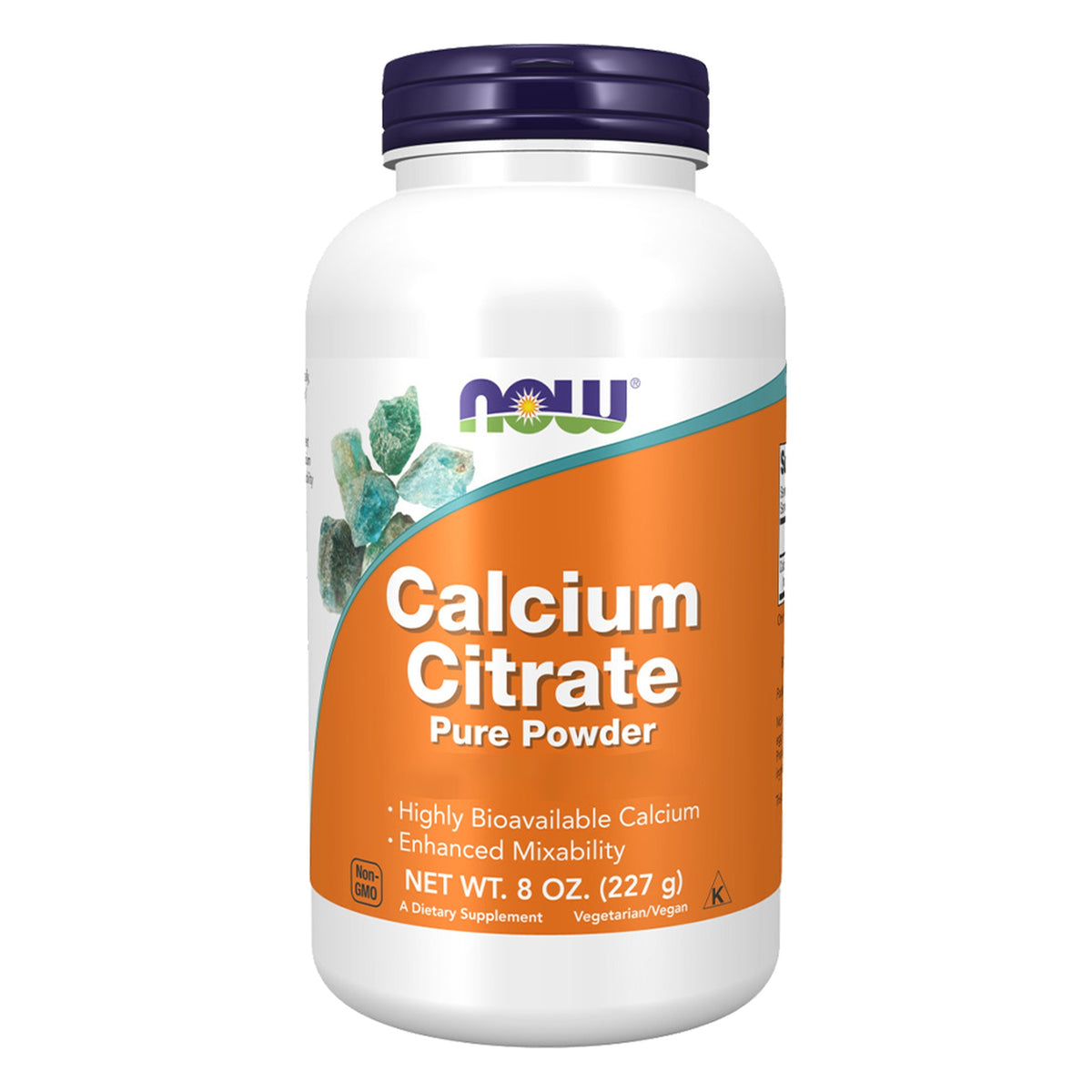
In supplements, calcium is bound to another substance, and this binding partly determines its properties. Calcium carbonate contains a high percentage of elemental calcium and is a widely used, affordable form; it is usually taken with a meal. Calcium citrate is bound to citric acid, contains slightly less elemental calcium by weight, and can also be taken separately from a meal. In addition, forms such as calcium alpha-ketoglutarate and calcium D-glucarate exist. When comparing, look at the amount of elemental calcium per serving.

Combining calcium and magnesium

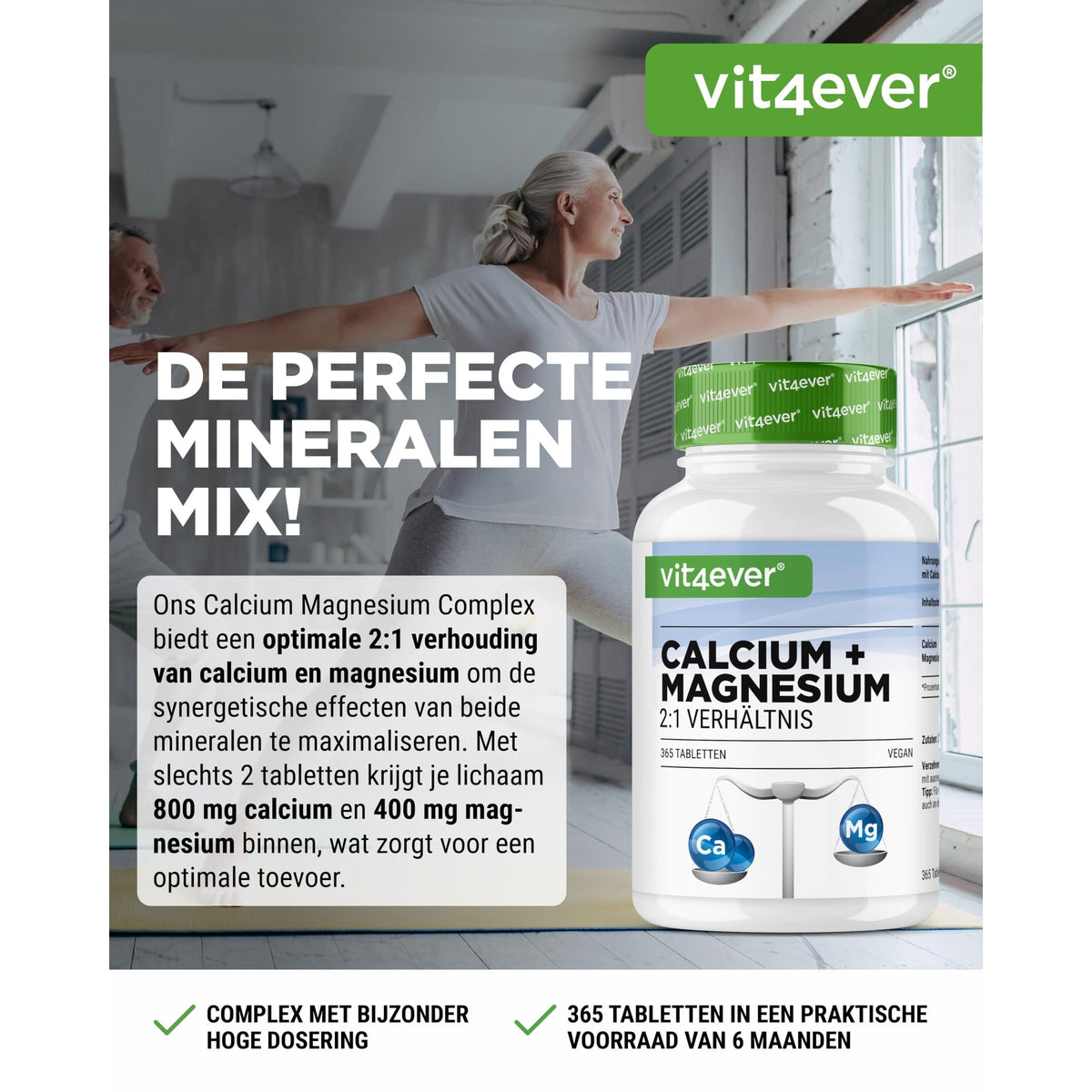
In supplements, calcium is often combined with magnesium, for example in a fixed ratio such as 2:1. Calcium contributes to normal muscle function and magnesium contributes to normal muscle function; therefore, both minerals are regularly offered together. In addition, calcium is found in broader mineral complexes and in electrolyte products, together with, for example, magnesium, potassium and sodium. Therefore, in our range, you will find calcium both as a standalone supplement and in combination products. The label states how much of each mineral is provided per serving.

How much calcium per day?

The reference intake (RI) for calcium is 800 mg per day; this is the value on which the %RI on the label is based. The Health Council uses a recommended intake for adults, depending on age, of approximately 950 to 1200 mg per day from food and any supplements combined. For higher doses, it is often advised to spread the intake throughout the day. Stick to the recommended dosage on the packaging and do not exceed it without advice. In the case of kidney disease, when using certain medications, or if in doubt, it is wise to consult a doctor beforehand.

Buying calcium: what to look for?

When choosing a calcium supplement, a few points are important. Look at the amount of elemental calcium per serving in milligrams and at the form used, such as calcium carbonate or calcium citrate. Determine whether you are looking for a standalone calcium supplement or a combination, for example with magnesium or vitamin D; vitamin D contributes to the normal absorption/utilization of calcium and phosphorus. Pay attention to the dosage form (tablets, capsules or powder) and the price per daily serving. For related products, also view our Minerals and Magnesium collections.

Need more advice?

Feel free to send us a message. We're happy to help and will answer your questions as soon as possible.
Tobian

Tobian

Customer service