



































Folic acid
Folic acid is the common name for vitamin B11 (elsewhere vitamin B9); folate is the natural form found in leafy greens, legumes and fruit. Folate contributes to normal blood formation, normal psychological function and the reduction of tiredness and fatigue, and plays a role in the cell division process. Folic acid is particularly well known in relation to planning a pregnancy; folate contributes to the growth of maternal tissue during pregnancy. In our range, you will find folic acid as a standalone 400 mcg supplement and incorporated into gummies, vitamin B complexes and multivitamins from brands such as Vit4ever, LUTO Supplements, Osavi, German Elite Nutrition and NOW Foods.



Buy Folic Acid: Forms, Sources and Dosage
Folic acid is the form of vitamin B11 (also known as vitamin B9) found in supplements; folate is the natural form found in food. Folic acid and folate play the same role in the body: folate contributes to normal blood formation, the normal function of the immune system, normal psychological function and the reduction of tiredness and fatigue. Folate also plays a role in cell division and contributes to normal homocysteine metabolism. Furthermore, folate contributes to the growth of maternal tissue during pregnancy.
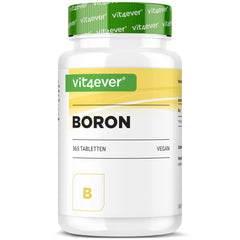
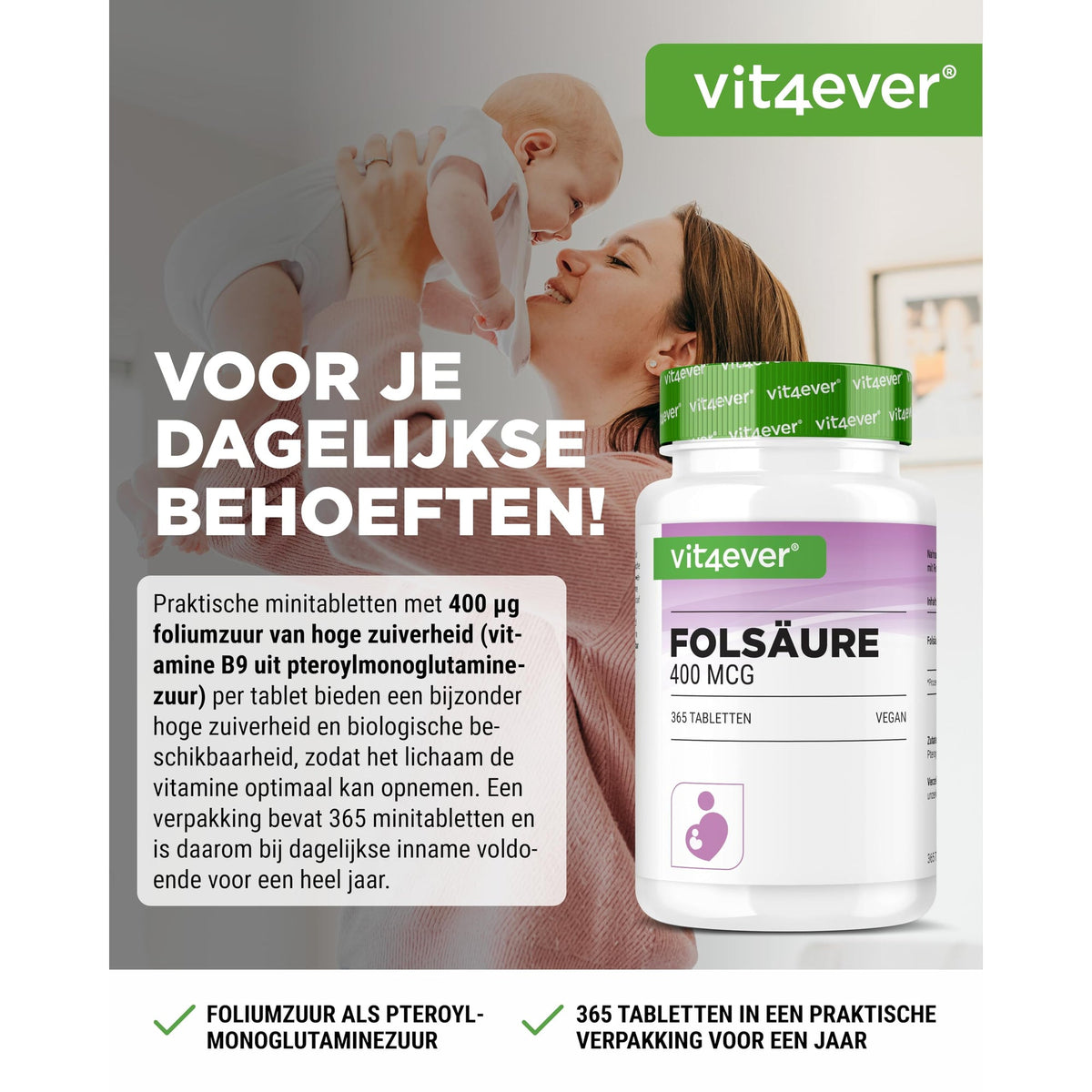
In our range, you will find folic acid as a standalone supplement and as part of broader formulas. Examples include Vit4ever Folic Acid 400 mcg in convenient tablets, folic acid in gummies such as LUTO Supplements' Hair, Skin & Nail Gummies, and in vitamin B complexes and multivitamins from brands such as Vit4ever, Osavi, German Elite Nutrition and NOW Foods. This allows you to choose between a targeted dose or a complete daily base, in tablets, capsules, gummies or chewable tablets.
What is folic acid (vitamin B11)?
Folic acid is a water-soluble B vitamin. In the Netherlands, the vitamin is usually called vitamin B11, while in many other countries it is called vitamin B9. Folic acid is the synthetic, stable form used in supplements and fortified foods; folate is the collective term for the natural forms found in food. The body does not produce folic acid or folate, so you depend on your diet or a supplement. Folate contributes, among other things, to normal amino acid synthesis and normal homocysteine metabolism.
What does folate contribute to?
Several health claims are permitted for folate. Folate contributes to normal blood formation, the reduction of tiredness and fatigue, normal psychological function and the normal function of the immune system. It also plays a role in cell division and contributes to normal homocysteine metabolism. During pregnancy, folate contributes to the growth of maternal tissue.
Difference between folic acid and folate
Folic acid and folate refer to the same vitamin, but in different forms. Folate is the natural form you obtain from vegetables, legumes and fruit. Folic acid is the synthetic form found in supplements and is stable. There is also the form methylfolate (5-MTHF). The same health claims apply to both: folate contributes to normal blood formation and plays a role in cell division.
Folic acid for those planning a pregnancy and during pregnancy
Folic acid is particularly well known for those planning a pregnancy and during pregnancy. Folate contributes to the growth of maternal tissue during pregnancy. Many women choose a targeted folic acid supplement from when they start trying to conceive through the first weeks of pregnancy. Always consult your midwife or doctor about using it during pregnancy.
When should you start taking folic acid when planning a pregnancy?
When planning a pregnancy, folic acid is often started as soon as you begin trying to conceive, so even before you are actually pregnant. Folic acid is generally taken from when you start trying to conceive through the first trimester of pregnancy. For advice tailored to your situation, consult your midwife or doctor and follow the directions for use on the packaging.
What foods naturally contain folic acid?
The name folic acid comes from the Latin word folium, meaning leaf, which immediately reveals an important source: leafy greens. Folate is found in foods such as spinach, kale, broccoli, Brussels sprouts, legumes such as lentils and chickpeas, citrus fruits, avocado and whole grain products. Folate is sensitive to heat and prolonged cooking, so some may be lost during preparation. A supplement can complement your intake when your dietary intake is limited.
Forms and variants
Folic acid is available in various forms and delivery methods. Standalone folic acid tablets allow you to choose a targeted dose, such as 400 mcg per tablet. Gummies often contain folic acid together with other vitamins, which is convenient if you do not like swallowing capsules. A vitamin B complex contains folic acid together with the other B vitamins, and in a multivitamin, it is part of a complete daily formula. When comparing, pay attention to the form (folic acid or methylfolate), the amount per dose and whether the product is vegan.
Daily dosage
Standalone folic acid supplements often contain 400 mcg per daily dose, a commonly used amount when planning a pregnancy and during pregnancy. In multivitamins and B complexes, the amount of folic acid is usually tailored to the daily reference intake. Do not take more than the recommended daily dose and take into account folic acid from other supplements. Always check the label for the correct dosage and duration of use and follow the directions for use on the packaging.
How long should you take folic acid?
How long you take folic acid depends on your situation and the product you choose. When planning a pregnancy and during pregnancy, folic acid is usually taken for a defined period, while folic acid in a B complex or multivitamin is often part of a daily routine. Stick to the recommended daily dose and do not combine supplements containing folic acid without monitoring your total intake. Check the label for the duration of use and follow the directions for use on the packaging, or consult your midwife or doctor.
Who might benefit from folic acid?
Folic acid is beneficial for women planning a pregnancy and for pregnant women, but folate also has permitted health claims for others: it contributes to the reduction of tiredness and fatigue, normal psychological function and the normal function of the immune system. Folate contributes to normal blood formation; vitamin B12 contributes to the normal formation of red blood cells. This is why folic acid is often found together with B12 in a B complex.
What to look for when buying folic acid?
When buying folic acid, look at the form (conventional folic acid or methylfolate), the dosage per tablet or capsule and the number of doses per package. If you only want folic acid, choose a standalone supplement; if you are looking for a broader daily base, a B complex or multivitamin is more convenient. Also check whether the product is vegan and free from unnecessary additives, and whether the chosen delivery method (tablet, capsule, gummy or chewable tablet) suits you.
Also view our other collections of Vitamin B, Vitamin B12, Multivitamins and Iron for supplements you often find alongside folic acid.
Need more advice?

Tobian
Customer service