


















Filter op
Filter op
Actieprijs€20,90
€430,04  / kg
Actieprijs€27,90
€429,23  / kg
Actieprijs€20,90
€354,24  / kg
Actieprijs€22,90
€274,58  / kg

Buy Lycopene: The Red Plant Substance Found in Tomatoes

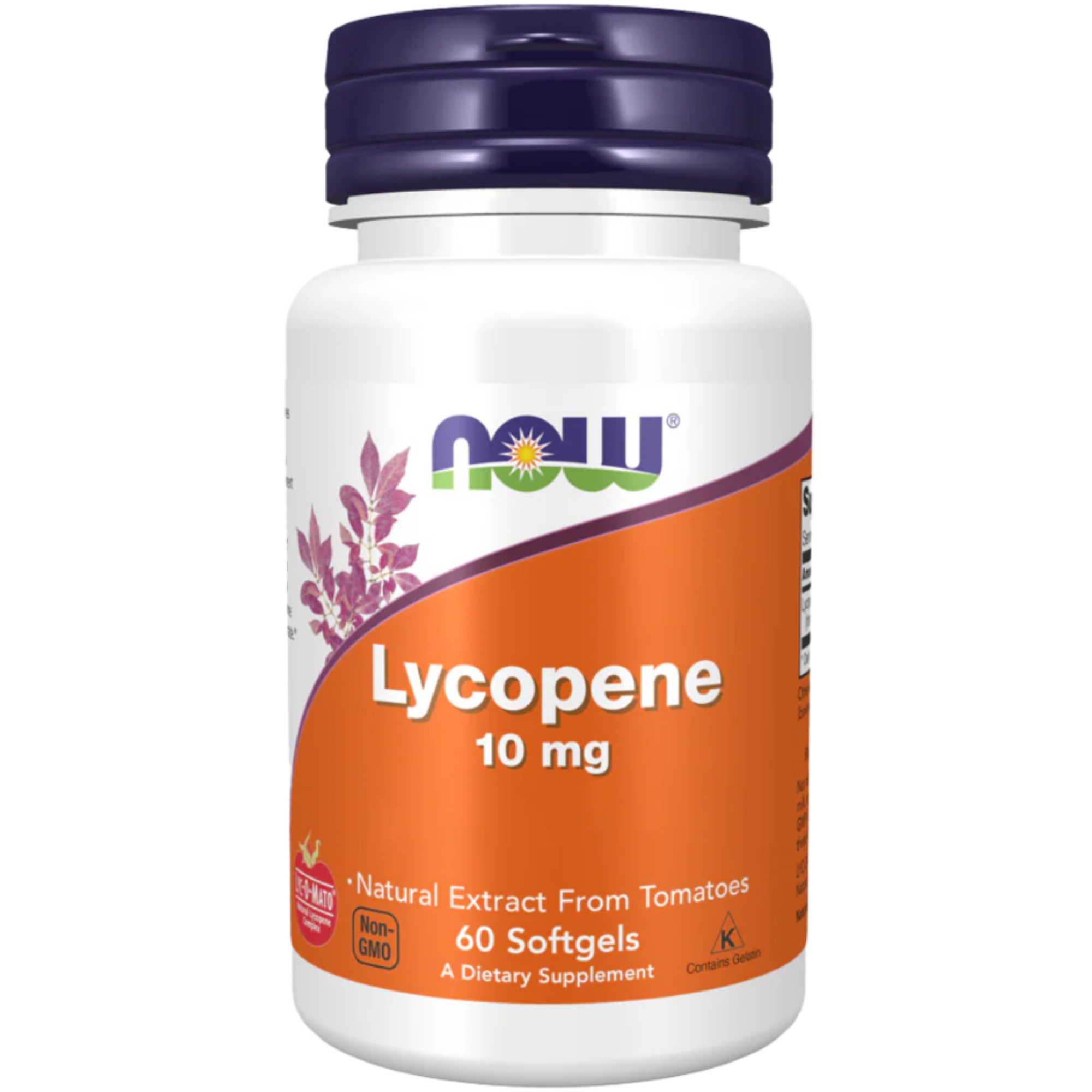
Lycopene (lycopene) is a naturally occurring plant substance belonging to the carotenoids, a group of pigments that give many fruits and vegetables their red, orange, or yellow colour. Lycopene is responsible for the red colour of tomatoes, watermelon, pink grapefruit, and more. For supplements, lycopene is usually extracted from tomatoes. In our range, you will find lycopene as a standalone supplement in softgels, in various dosages.

What Is Lycopene?

Lycopene is a carotenoid, a fat-soluble plant substance that is one of the natural pigments. Unlike some other carotenoids (such as beta-carotene), lycopene is not converted into vitamin A by the body. It occurs naturally mainly in red fruits and vegetables, with tomatoes being the best-known source. For supplements, lycopene is concentrated, usually from tomato extract. The label states how much lycopene a product provides per serving, expressed in milligrams. We describe lycopene here factually; no official health claims have been approved for lycopene.

What Foods Contain Lycopene?

Lycopene occurs naturally in red and pink fruits and vegetables. The best-known and richest source is the tomato, and therefore also tomato products such as tomato purée, passata, and ketchup. Other sources include watermelon, pink grapefruit, guava, and rosehips. A notable feature of lycopene is that it is often better absorbed from heated and processed tomato products (such as tomato sauce) than from raw tomatoes, and that its absorption is enhanced by the presence of fat. For those who want to supplement their intake, a lycopene supplement made from tomato extract is a practical option.

Lycopene from Tomato Extract

The lycopene in supplements is usually extracted from tomatoes (tomato extract). You may sometimes encounter branded raw materials, such as Lyc-O-Mato®, a standardised tomato extract. Because lycopene is fat-soluble, it is often offered in softgels in which the lycopene is dissolved in oil to aid absorption. When comparing products, it is useful to pay attention to the amount of lycopene per serving and to the source (for example, a standardised tomato extract). The exact composition is stated on the label.

Lycopene and Other Carotenoids

Lycopene belongs to the same family as other carotenoids, such as beta-carotene, lutein, and zeaxanthin. For this reason, lycopene is sometimes combined with other carotenoids in supplements. We describe lycopene here factually as a carotenoid, without making any claims about its effects, because no official health claims have been approved for lycopene. In our range, you will mainly find lycopene as a standalone supplement.

How Much Lycopene Per Day?

No official recommended daily intake has been established for lycopene. The dosage varies by product and is stated on the packaging, expressed in milligrams per softgel; common dosages, for example, range between 10 and 20 mg. Because lycopene is fat-soluble, it is preferably taken with a meal containing some fat. Follow the instructions for use of the specific supplement and do not exceed the recommended dosage without advice. If you are taking medication, are pregnant or breastfeeding, or have any doubts, it is advisable to consult a doctor beforehand.

Buying Lycopene: What to Look For?

When choosing a lycopene supplement, there are a few practical points to consider. Look at the amount of lycopene per serving in milligrams and at the source (for example, a standardised tomato extract). Pay attention to the form (usually softgels, with a view to the absorption of this fat-soluble substance) and to the purity. Calculate the price per daily serving in relation to the dosage. For other products, also view our collection of Antioxidants.

Need more advice?

Feel free to send us a message. We're happy to help and will answer your questions as soon as possible.
Tobian

Tobian

Customer service