






Filter op
Filter op
Actieprijs€21,90
€405,56  / kg
Actieprijs€23,90
€209,65  / kg
Actieprijs€23,90
€84,15  / kg
Actieprijs€23,90
€75,16  / kg
Actieprijs€30,90
€196,82  / kg
Actieprijs€25,90
€101,57  / kg
Actieprijs€25,90
€235,45  / kg
ActieprijsVanaf €23,90
€125,76  / kg
Actieprijs€20,90
€19,00  / kg
Actieprijs€30,90
€195,57  / kg
Actieprijs€33,90
€423,75  / kg
ActieprijsVanaf €6,90
€134,62  / kg

Roots and tubers: herbal supplements from the underground part of the plant

Roots, tubers, and rhizomes are the storage organs of a plant. They often contain a high concentration of plant compounds, which is why they have been used for centuries in Ayurveda, traditional Chinese herbal medicine, and South American cuisine, among other things. Well-known examples include ashwagandha from India, ginseng from East Asia, and maca from the Andes.

Our range includes both single root supplements and variants with a standardized extract. This allows you to choose whether you want to use the whole root in powder form or an extract with a fixed content of, for example, withanolides, ginsenosides, or curcuminoids.

What herbs can you find in this collection?

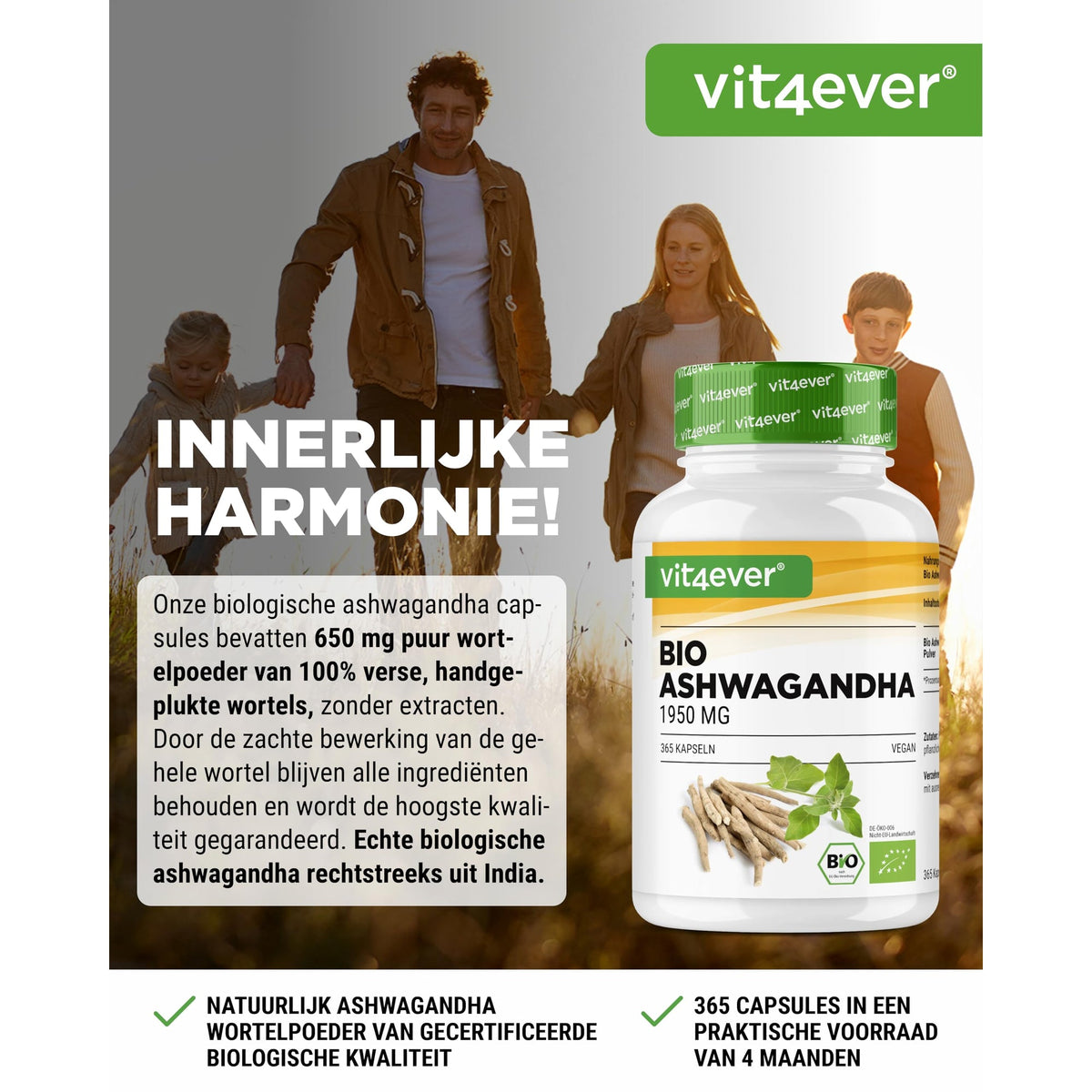
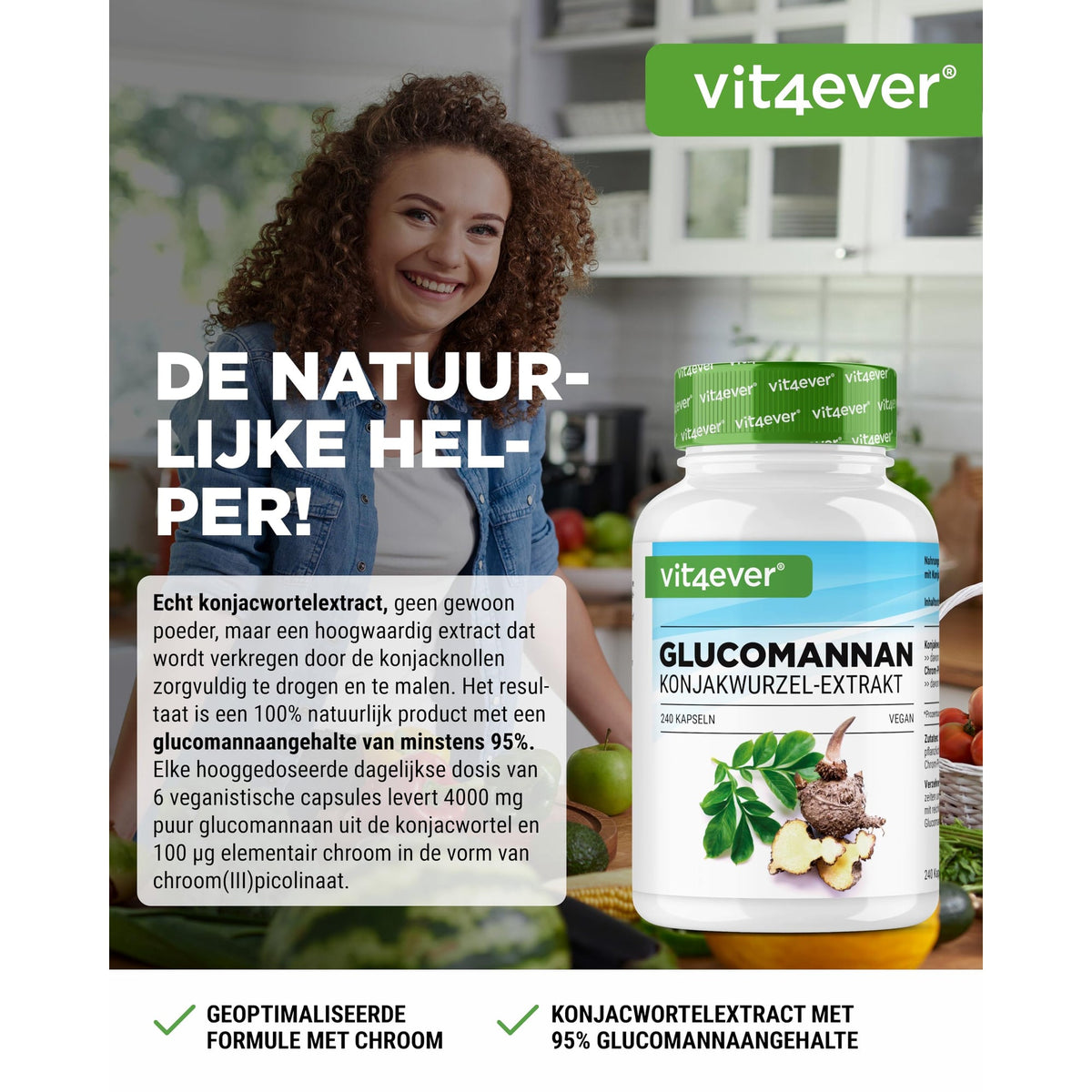
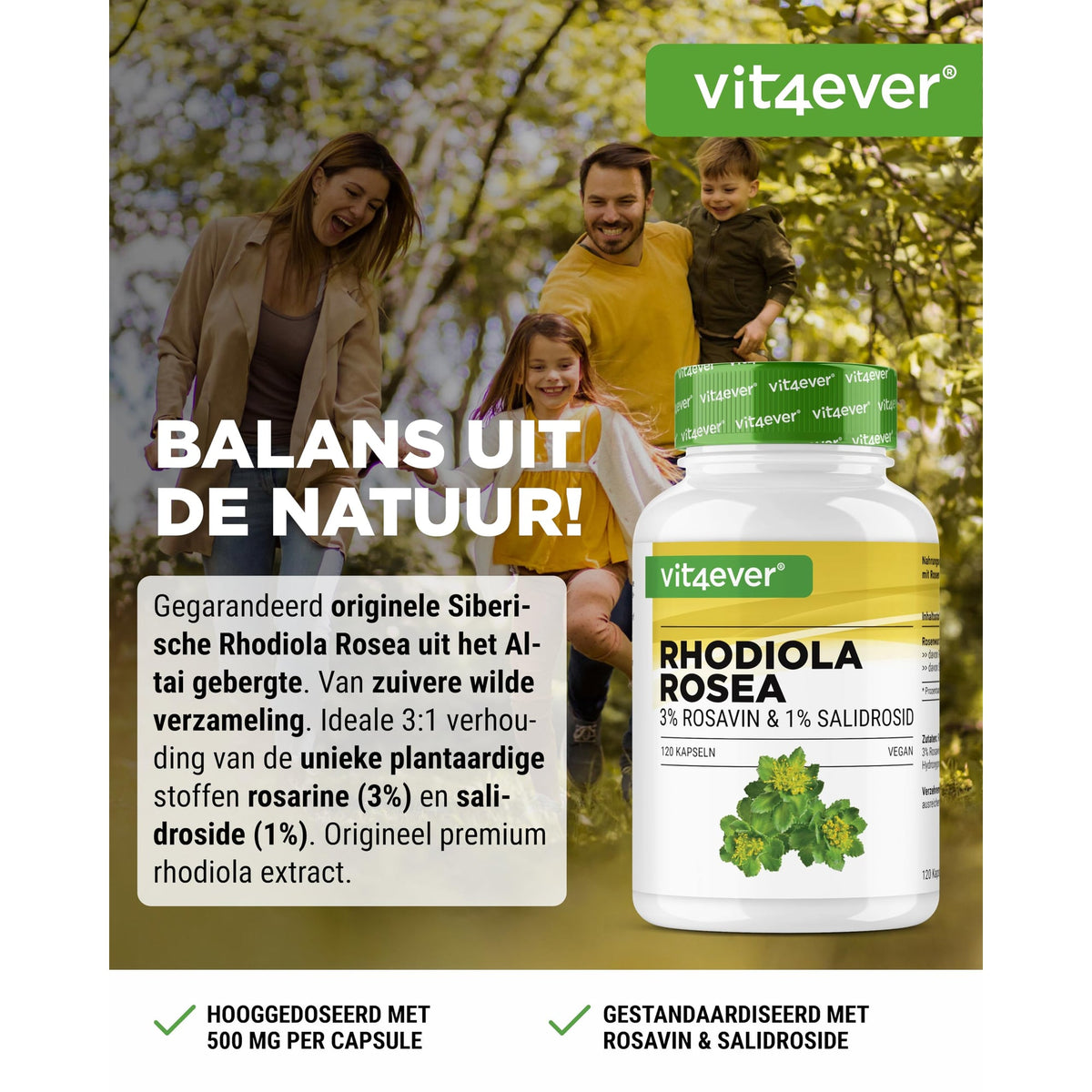
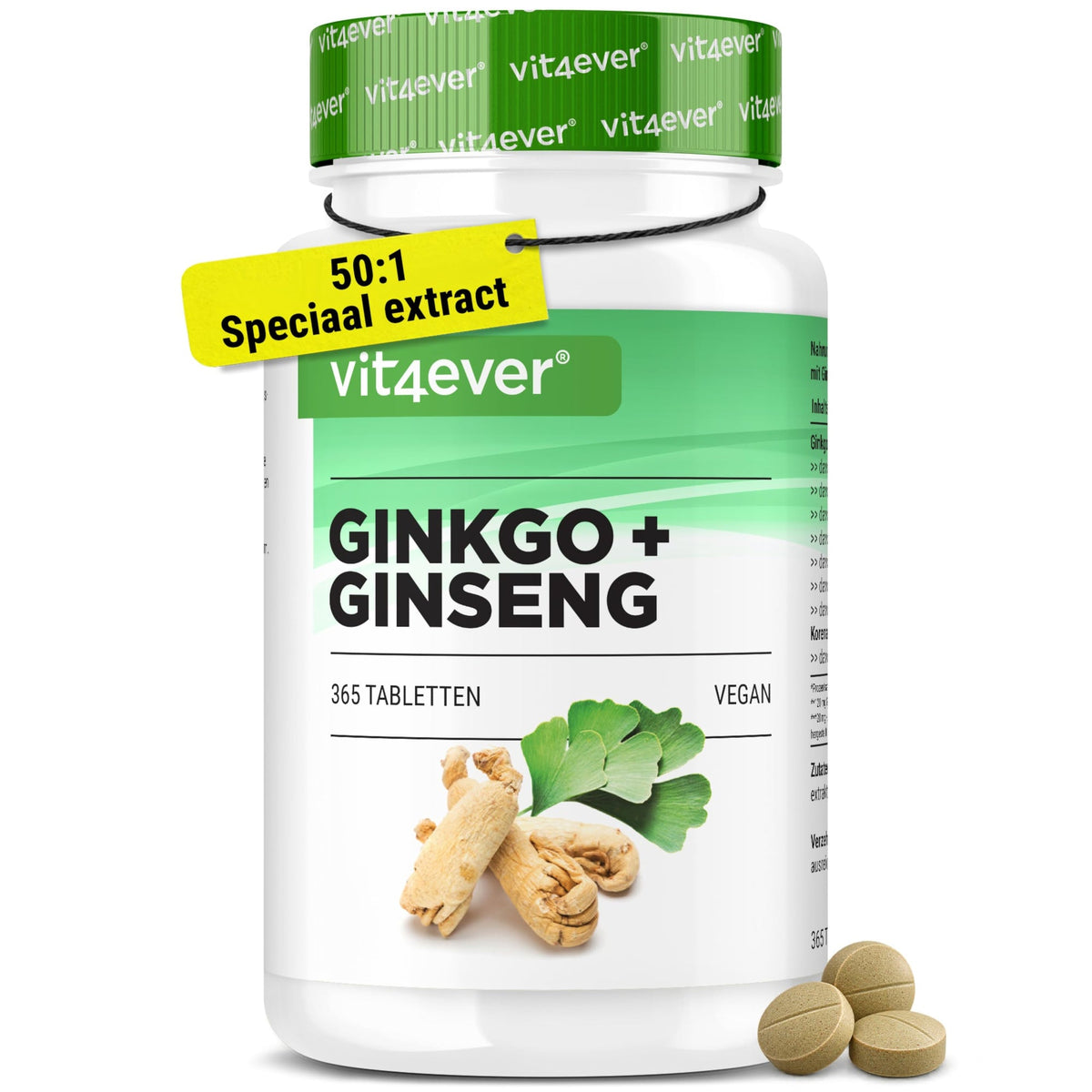
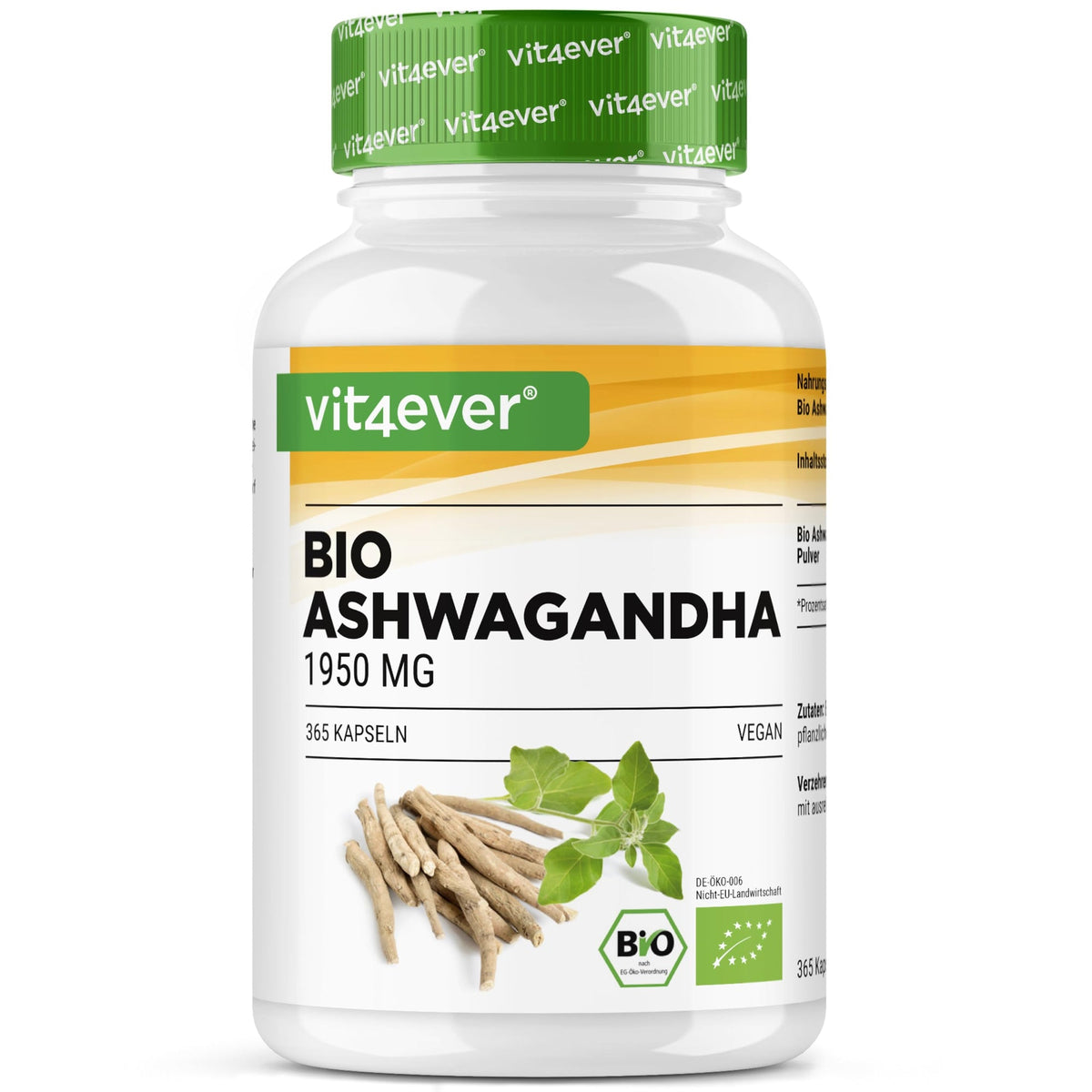
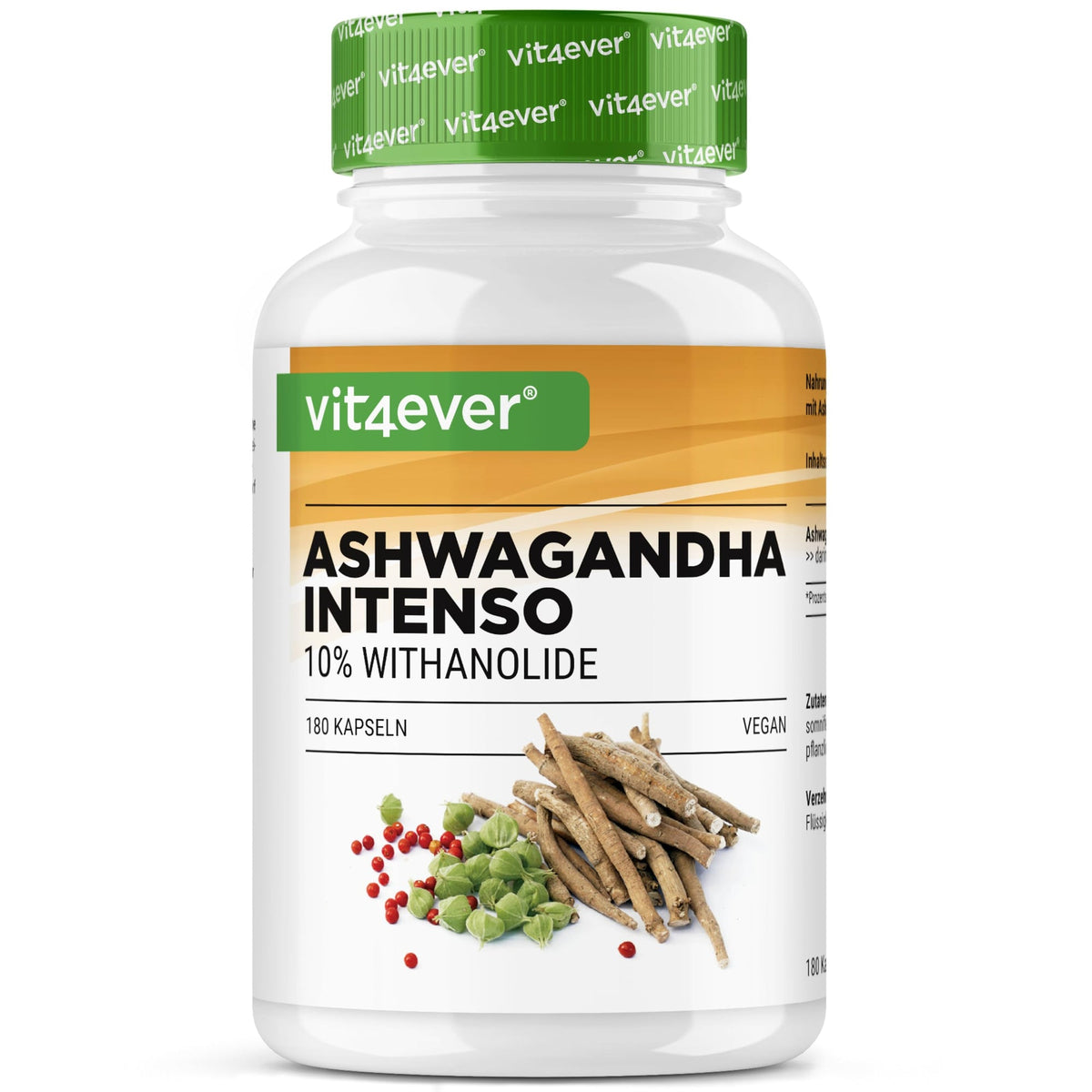
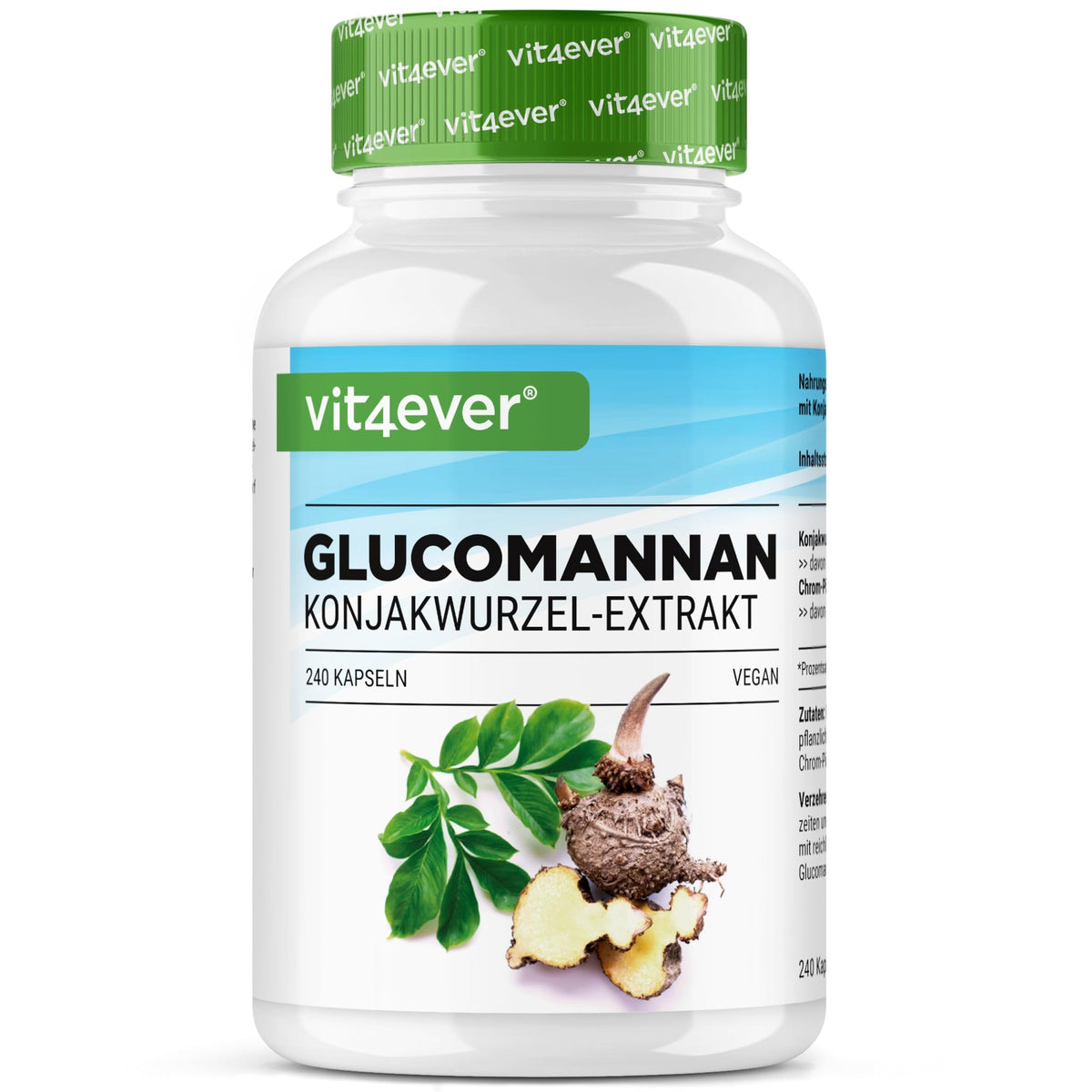
The collection includes a wide range of root and tuber herbs. Ashwagandha (Withania somnifera) is the largest group, available as KSM-66, Shoden, organic root powder, and gummies. You will also find maca (Lepidium meyenii), turmeric (Curcuma longa), Panax ginseng, rhodiola rosea, valerian, astragalus, dandelion root, licorice root, wild yam, dong quai, kudzu, sarsaparilla, saffron, and fadogia agrestis. Fibers from roots and tubers are also included, such as inulin from chicory root and glucomannan from konjac tuber.

Root powder or extract: what is the difference?

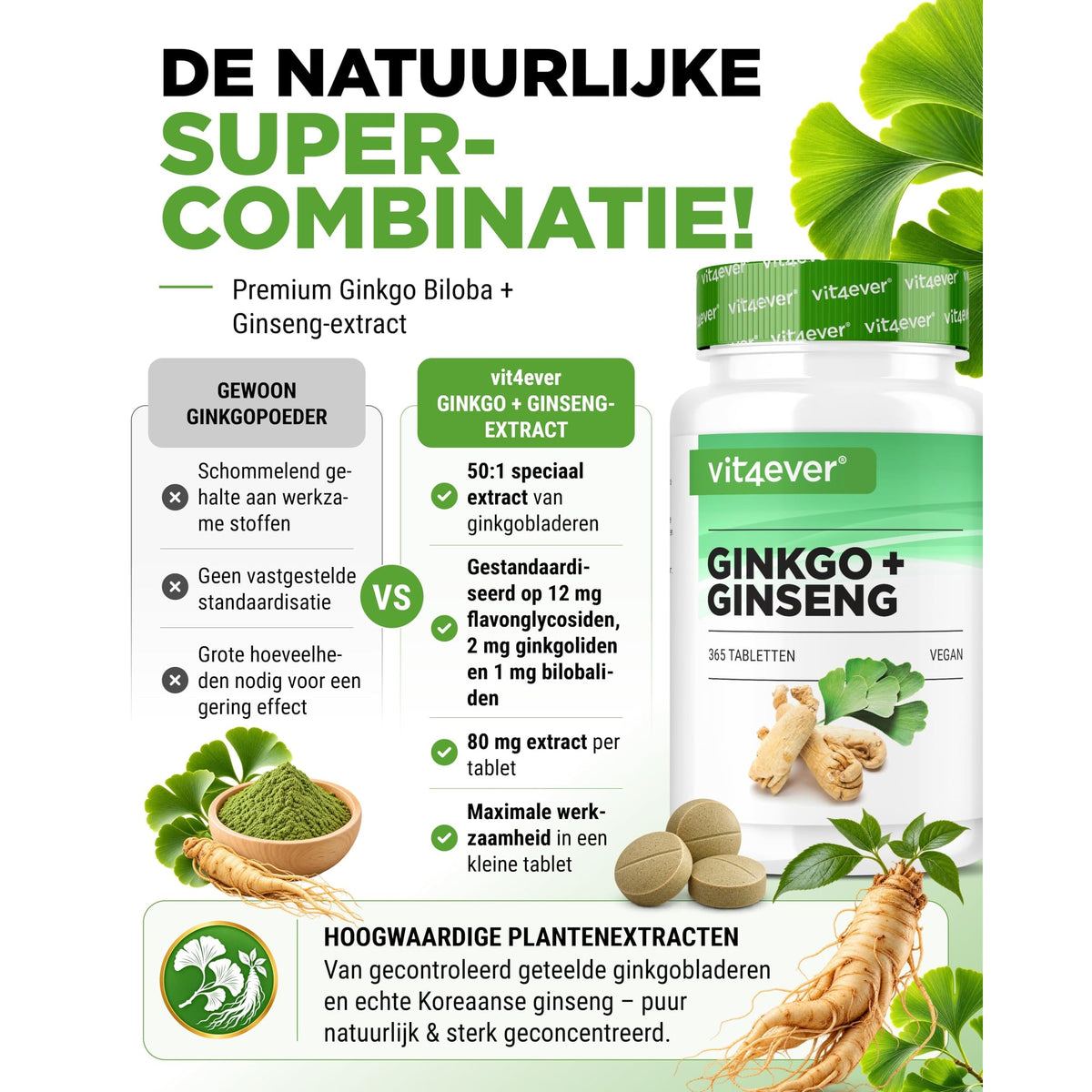
Root powder is made by finely grinding dried root. This provides the whole plant part, but the amount of plant compounds per gram can vary from harvest to harvest. An extract is made by extracting plant compounds from the root using water, alcohol, or a combination of both, and then evaporating the solvent. An extract ratio such as 10:1 or 20:1 means that 10 or 20 grams of dried root was used to produce 1 gram of extract. When comparing products, check whether a dosage refers to the amount of extract or the equivalent amount of dried root.

Standardization: withanolides, ginsenosides, and curcuminoids

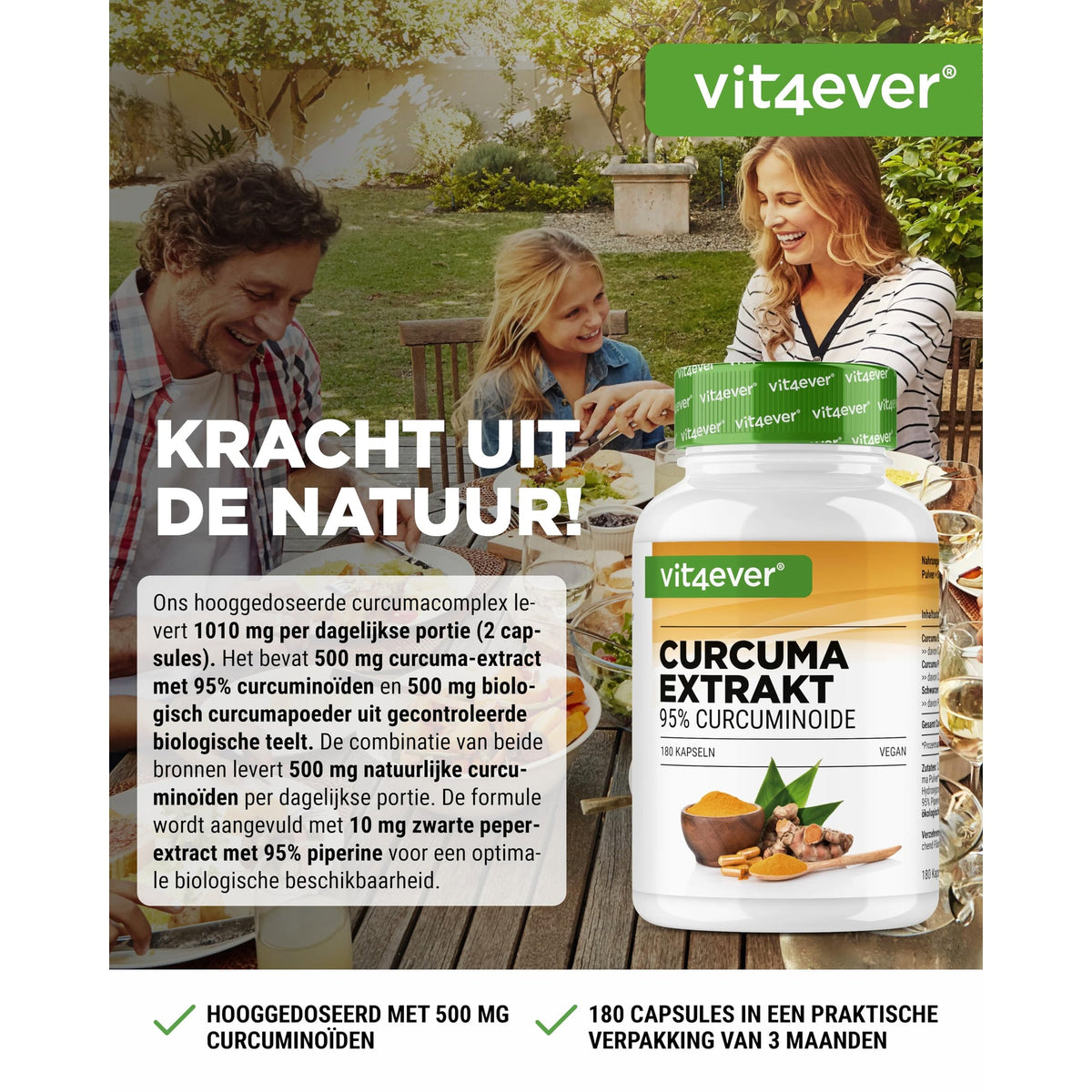
A standardized extract contains a fixed percentage of a characteristic plant compound, as stated on the label. For ashwagandha, this is withanolides, for example 5% in KSM-66, 10% in a standard extract, and 35% in Shoden. For Panax ginseng, it is ginsenosides; for rhodiola, rosavins and salidroside; and for turmeric, curcuminoids, often 95%. Standardization makes it easier to compare products and ensures a consistent content in every batch.

Turmeric and piperine

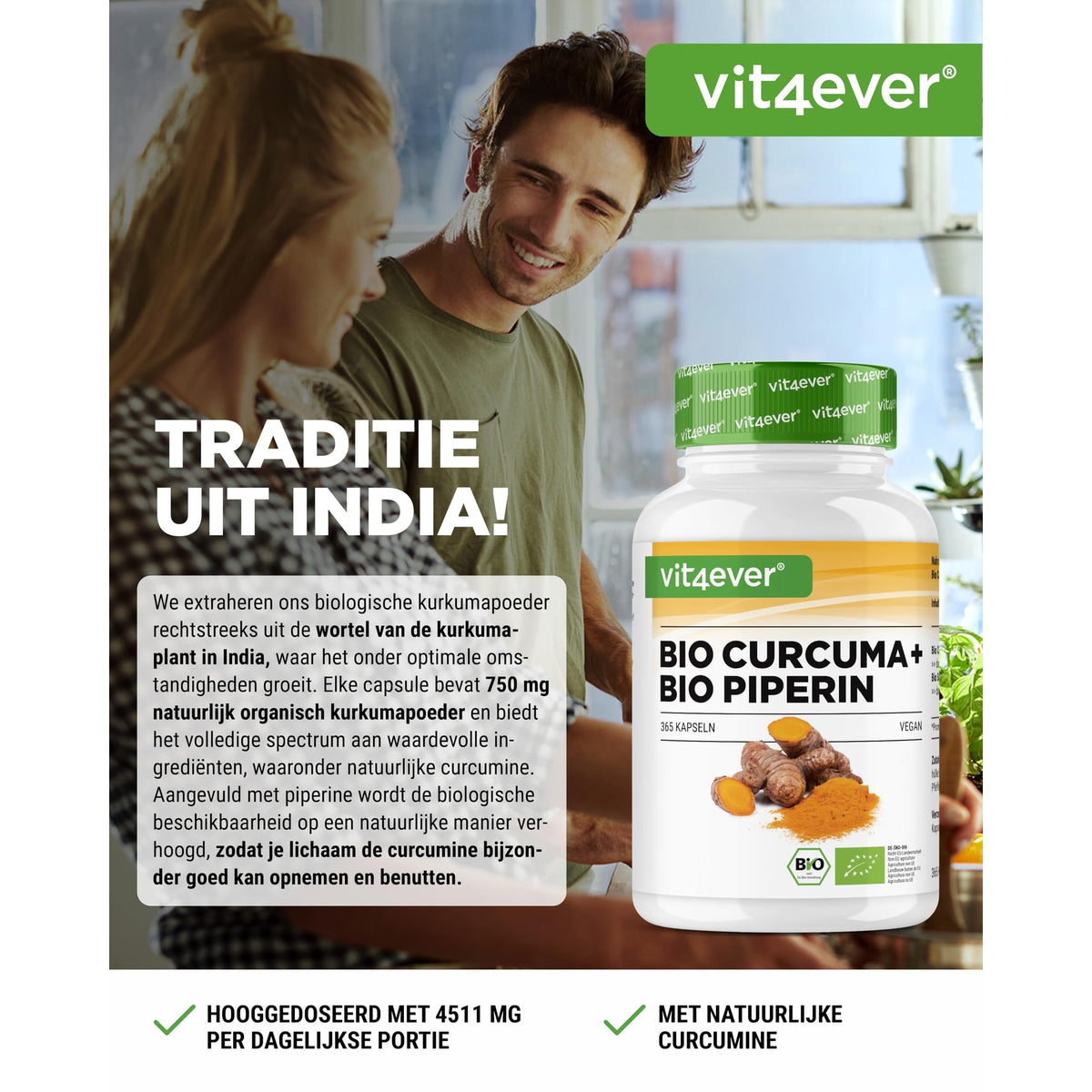
Turmeric is the yellow rhizome that is also used in cooking. In supplements, turmeric is available as root powder, a full-spectrum product, and as an extract with a high content of curcuminoids. Curcumin dissolves poorly in water. Therefore, turmeric is often combined with piperine from black pepper, as in Vit4ever's Organic Turmeric + Organic Piperine. Pure curcumin extracts can be found in the Pure Plant Compounds collection.

Capsules, tablets, powder, or gummies

Most root supplements are available as capsules or tablets with a fixed dosage per unit. Root powder, such as organic ashwagandha or inulin, can be mixed into a shake, smoothie, or yogurt and dosed flexibly. Note that some roots can have a distinctly earthy or bitter taste when in powder form. Gummies are an alternative for those who prefer not to swallow capsules, but they usually contain less herb per serving and often include added sugars or sweeteners.

What to look for when choosing

Check the Latin plant name, the plant part used, and the form: powder, extract with an extract ratio, or standardized extract. Check the amount per daily dose and whether the product is organic. For branded extracts such as KSM-66, Shoden, or Affron, the production method has been established and tested by the manufacturer. Always compare products based on the daily dose rather than the number of capsules, as the recommended number of capsules varies by brand.

Use and safety

Follow the recommended daily dose on the packaging. A dietary supplement is not a substitute for a varied diet and a healthy lifestyle. Herbal supplements are not intended for pregnant or breastfeeding women unless otherwise stated. If you take medication, consult your doctor or pharmacist first, as some herbs may affect the action of medications.

Need more advice?

Feel free to send us a message. We're happy to help and will answer your questions as soon as possible.
Tobian

Tobian

Customer service