
Filter op
Filter op
Actieprijs€23,90
€84,15  / kg
Actieprijs€30,90
€196,82  / kg
Actieprijs€27,90
€265,71  / kg
Actieprijs€22,90
€38,17  / kg
Actieprijs€28,90
€1.032,14  / kg
Actieprijs€10,90
€44,86  / kg
Actieprijs€22,90
€307,38  / kg
Actieprijs€10,90
€36,33  / 100g
UitverkochtSwanson Ashwagandha 450mg 100 capsules - voedingssupplement | kopen in Nederland en België
Actieprijs€8,90
€92,61  / kg
UitverkochtLUTO Supplements Avondformule met ashwagandha, valeriaan en L-theanine - 30 vegan capsules LUTO Avondformule - ashwagandha, valeriaan, L-theanine en kamille, vegan en glutenvrij
UitverkochtLUTO Supplements Ashwagandha KSM-66 300mg 60 vegan capsules plantaardig supplement | kopen in Nederland en België LUTO Ashwagandha KSM-66 300mg kenmerken - vegan, glutenvrij, natuurlijk, GMO-vrij en 60 porties
Actieprijs€20,90
€746,43  / kg

Buy Ashwagandha: The Traditional Ayurvedic Herb

Ashwagandha (Withania somnifera) is a plant that has traditionally held a central place in Ayurveda, the traditional Indian herbal science. It is primarily the plant's root that is used and processed into powder or extract. Ashwagandha is one of the best-known herbs in this tradition. The plant contains a range of natural compounds, including withanolides, which are characteristic of the root and are used to standardize many extracts.

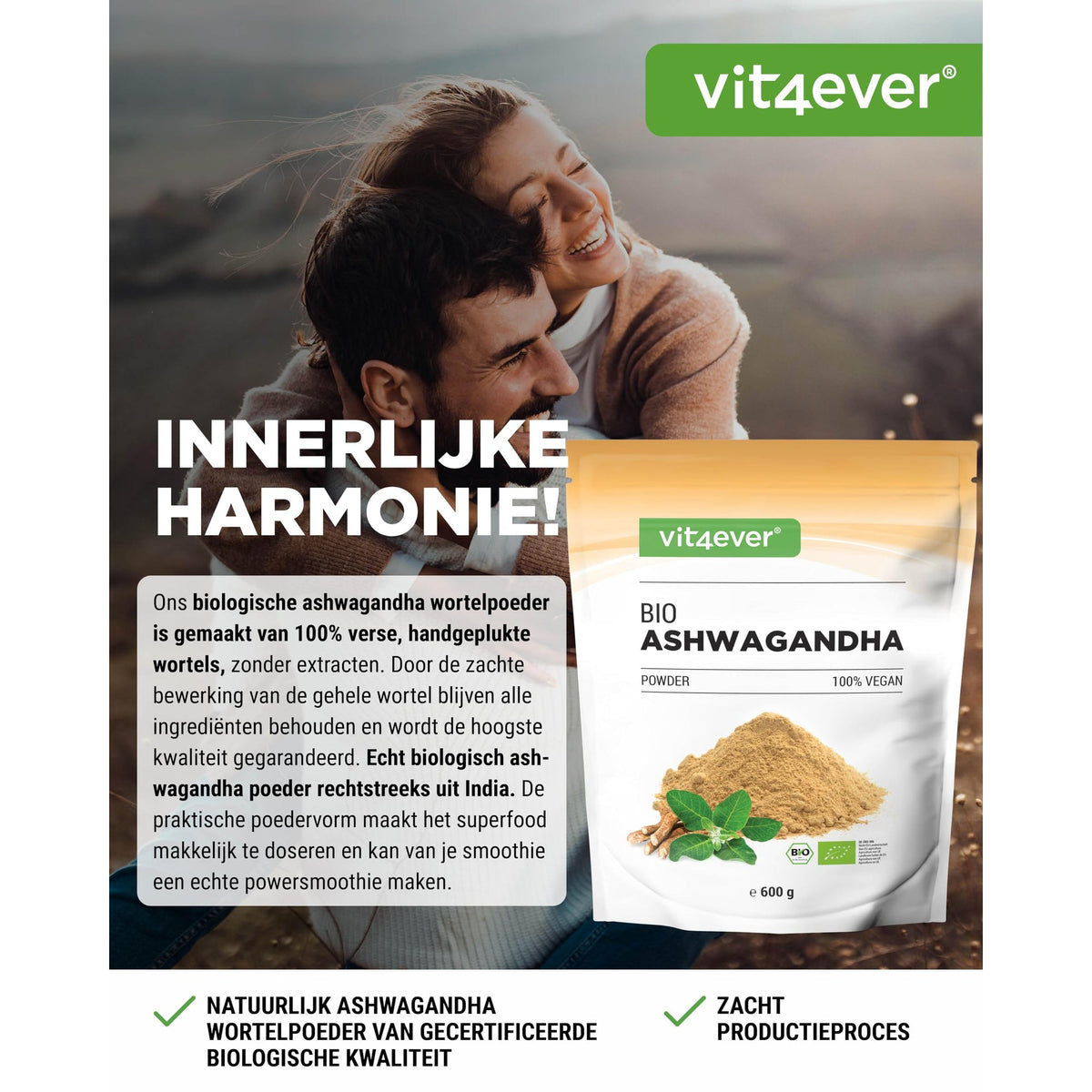
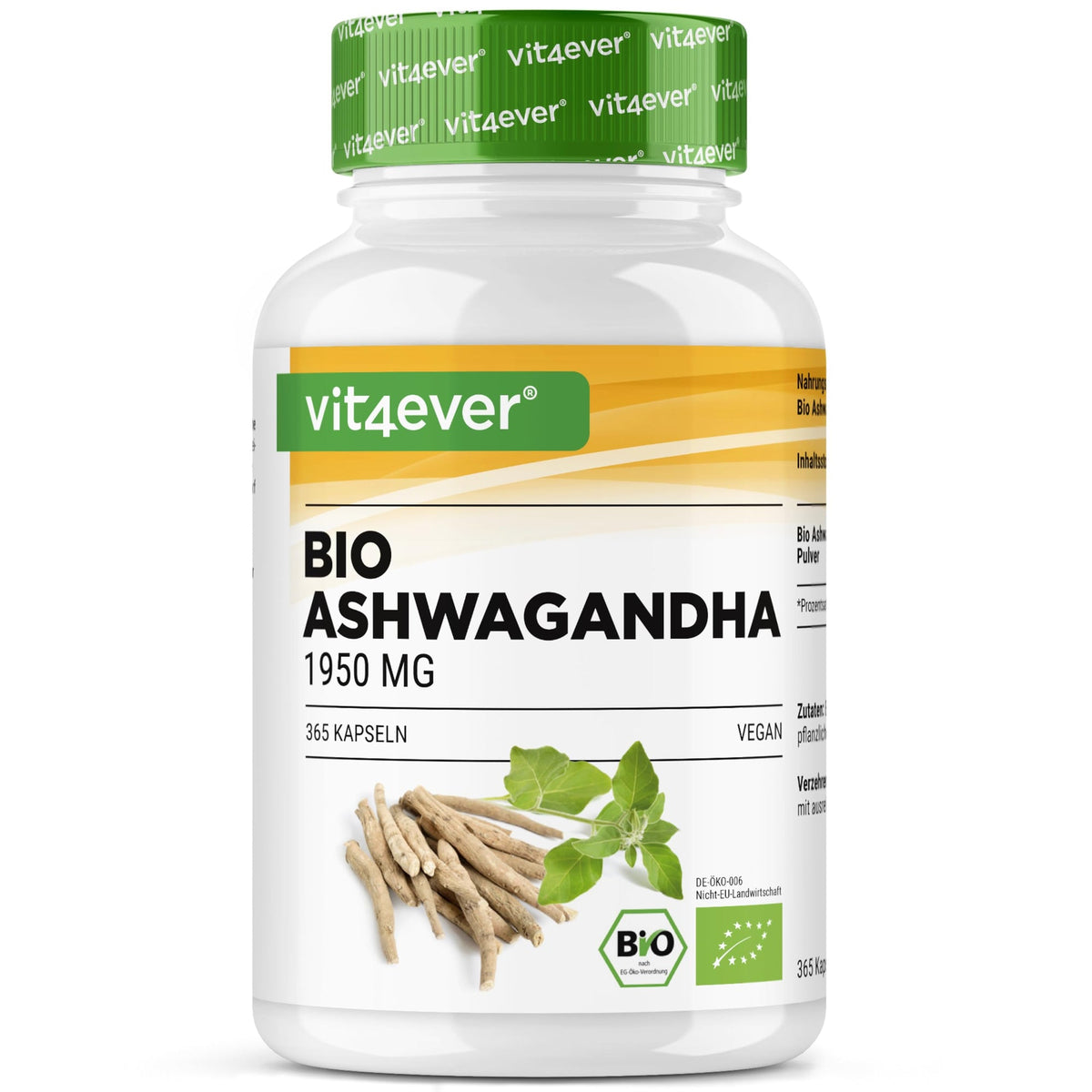
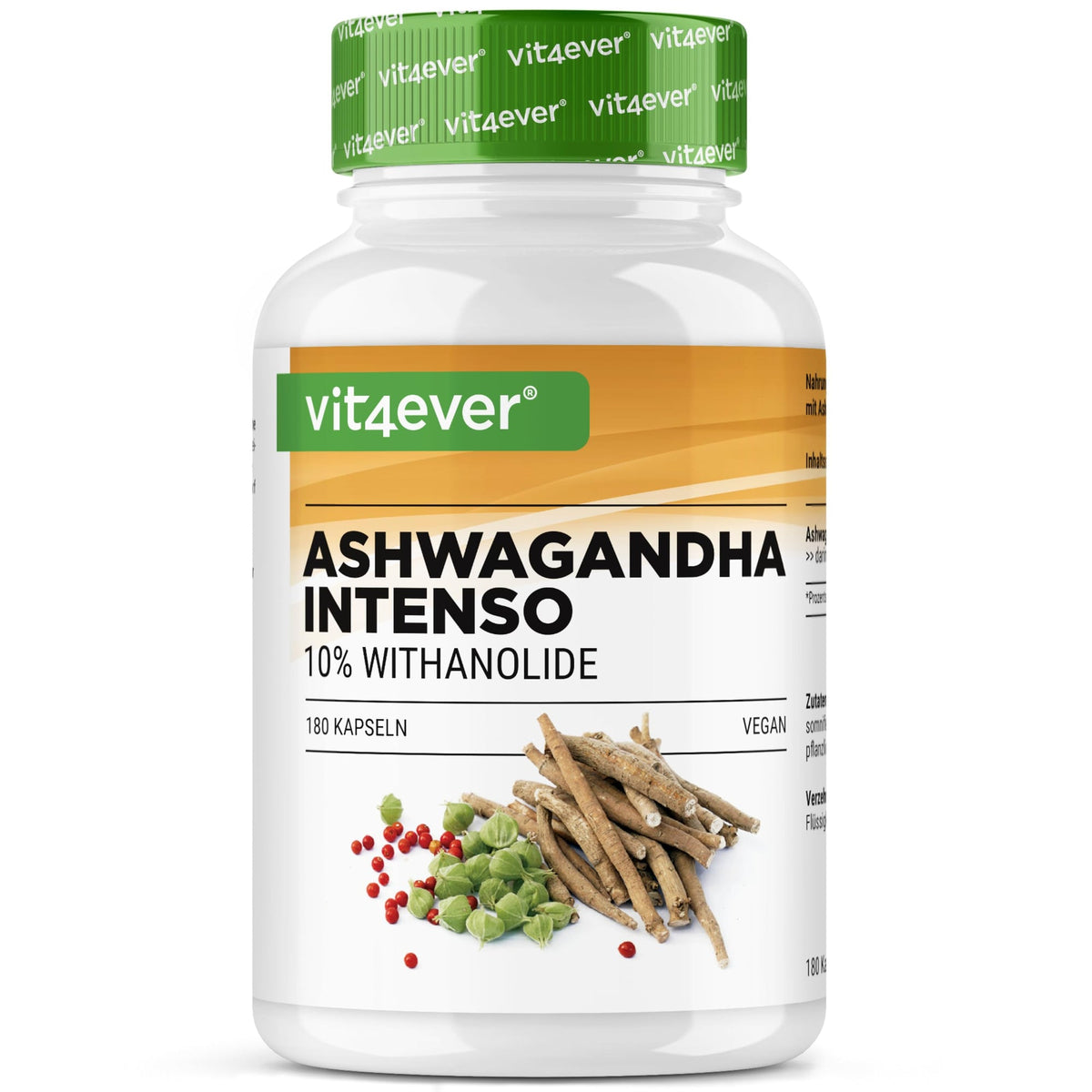
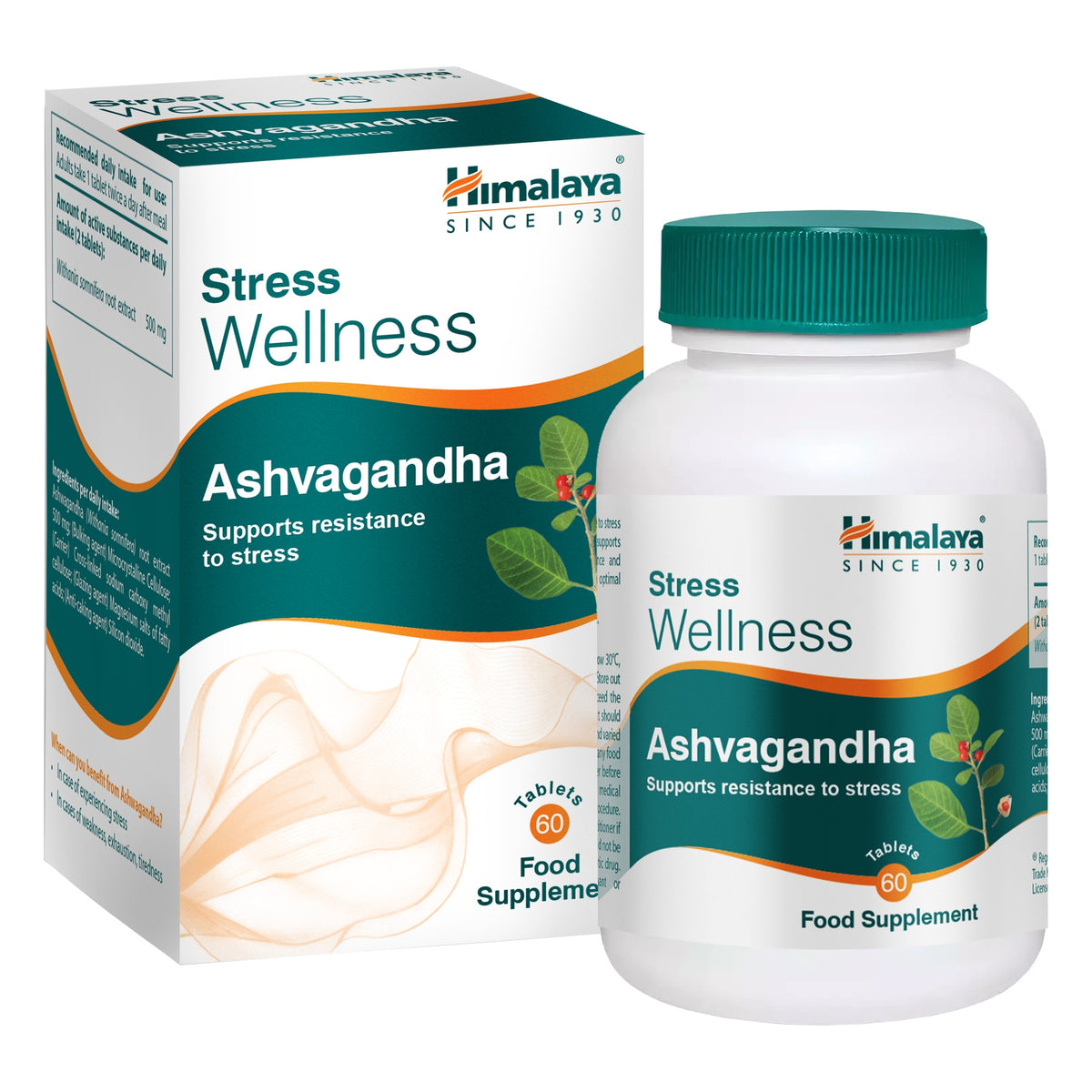
In our range, you will find ashwagandha in various forms and dosages: standardized extracts such as KSM-66 and Shoden, pure organic root powders, capsules, tablets, and even cherry-flavored gummies. We offer products from brands such as Vit4ever, Swanson, Osavi, Himalaya, German Elite Nutrition, ESN, and our own brand, LUTO Supplements, either on their own or combined with, for example, magnesium, zinc, and vitamin B6. Whether you prefer a standardized extract or traditional whole root powder, there is a suitable choice for every preference.

What is ashwagandha?

Ashwagandha is a small shrub that naturally occurs in India, the Middle East, and parts of Africa. The plant belongs to the nightshade family and is sometimes called winter cherry or Indian ginseng in Dutch, although it is not botanically related to true ginseng. The name ashwagandha comes from Sanskrit and refers to the distinctive smell of the fresh root. It is this root that is traditionally dried and ground, forming the basis for modern supplements. The most important compounds in the root are withanolides, a group of natural compounds that are often used as a measure of an extract's potency.

Where does ashwagandha come from?

Ashwagandha originally comes from the drier regions of India and also grows in parts of the Middle East and North Africa. The plant thrives in sandy, dry soil and warm climates. India remains the most important growing region to this day, where the root is harvested, dried, and processed into powder or extract. Many branded extracts in this collection come from Indian roots.

Ashwagandha in the Ayurvedic tradition

Ashwagandha has been used in Ayurveda for centuries and is one of the best-known herbs in this tradition. It is considered a rasayana herb, a category of plants that holds a special place in classical Ayurvedic teachings. This traditional background explains ashwagandha's enduring popularity and the wide availability of the herb in powder and extract forms. Modern supplements build on this long tradition of use, with modern production methods ensuring a standardized and consistent withanolide content.

KSM-66, Shoden, Sensoril, or root powder: which form should you choose?

Ashwagandha is available in various forms that differ in preparation and withanolide content. KSM-66 is one of the best-known standardized extracts and is derived exclusively from the root, with a high withanolide content. Shoden is a highly concentrated extract standardized to 35% withanolides, so a small daily dose is sufficient. Sensoril is another standardized extract that is partially prepared from leaves and roots. There is also traditional root powder, in which the whole dried root is ground without further concentration. Standardized extracts provide a fixed amount of withanolides per serving, while whole root powder is closer to the traditional Ayurvedic application. The choice depends on your personal preference and desired dosage.

What is KSM-66 ashwagandha?

KSM-66 is a brand name for a standardized ashwagandha extract derived exclusively from the root. It is known for its high withanolide content, usually around five percent, and for a production process that does not use alcohol or chemical solvents. Because only the root is used, KSM-66 aligns with the traditional preparation method. The exact content and recommended dosage are shown on the packaging of products containing KSM-66.

Withanolides: what extracts are standardized for

Withanolides are the characteristic compounds in the ashwagandha root and form the basis for standardizing most extracts. Standardization indicates what percentage of withanolides an extract contains, for example five, ten, or thirty-five percent. The higher the percentage, the more concentrated the extract. With a standardized product, you know exactly how many withanolides you receive per serving, making it easier to compare products. With non-standardized root powder, this content is not fixed and can vary by harvest and origin.

Which ashwagandha should you choose?

There is no single right choice, as it depends on your personal preference and how you use it. If you want a fixed and verifiable content, standardized branded extracts such as KSM-66, Shoden, and Sensoril are a logical choice. If you prefer the traditional preparation method, a pure organic root powder may be a better fit. When making your choice, pay attention to the withanolide percentage, whether the product is prepared from the root, the dosage per serving, and its purity.

Ashwagandha capsules, tablets, powder, or gummies?

Ashwagandha is available as a standalone powder, in capsules and tablets, and as gummies. Powder can be dosed flexibly and can be mixed into, for example, a smoothie, yogurt, or warm milk, although the root naturally has a pronounced, somewhat earthy and bitter taste. Capsules and tablets are flavorless, easy to use, and convenient to take with you, and they contain a fixed dosage per piece. Gummies are a chewable option with flavor for those who do not want to swallow capsules. Those who value the traditional preparation method often choose powder, while capsules are popular with people who value convenience and a precise dosage.

Ashwagandha combined with magnesium, zinc, and vitamin B6

A number of products in this collection combine ashwagandha extract with minerals and B vitamins, such as magnesium, zinc, and vitamin B6. The following permitted health claims apply to these added nutrients: magnesium contributes to the reduction of tiredness and fatigue and to the normal functioning of muscles; zinc contributes to the normal functioning of the immune system; and vitamin B6 contributes to normal psychological function. If you prefer pure ashwagandha, you will also find standalone extracts and root powders without additives in the collection.

How much ashwagandha per day?

The usual dosage depends heavily on the form you choose. A relatively small amount per day is generally used for standardized extracts such as KSM-66 and Shoden, often in the range of a few hundred milligrams, because the withanolide content is high. The usual amount of traditional root powder is higher because it is not concentrated. Always follow the directions for use on the packaging of the specific product and stick to the recommended daily amount. If in doubt, or if you are taking medication, it is wise to consult a doctor or therapist beforehand.

When should you take ashwagandha?

Ashwagandha can be taken at various times of the day, depending on your personal preference and the form you use. Many people take it with a meal, as this makes it easy to incorporate into their daily routine. Powder is often mixed into a warm drink, while capsules are easily taken with some water. Choose a fixed time that works well for you so that it is easy to maintain.

How long can you use ashwagandha?

Some people use ashwagandha for several weeks or months at a time, followed by a break. Others choose continuous use or alternate periods. How long you use a product depends on your personal preference and the instructions on the packaging. Follow the directions for use for the specific product and, if in doubt or using it long-term, consult a doctor or therapist.

What should you look for when buying ashwagandha?

When choosing an ashwagandha supplement, several points are important. First, check whether it is a standardized extract and what percentage of withanolides is stated, so you can assess its potency. Check whether the product is prepared from the root or from a combination of root and leaf. Branded extracts such as KSM-66, Shoden, and Sensoril offer a fixed and verifiable content. Also look at the dosage per capsule or serving, the purity, and whether the product is free from unnecessary additives. Ashwagandha is not suitable during pregnancy or breastfeeding; if in doubt or taking medication, always consult a doctor or therapist.

Also view our Herbs & Plants, Rhodiola, Ginseng, and Magnesium collections.

Need more advice?

Feel free to send us a message. We're happy to help and will answer your questions as soon as possible.
Tobian

Tobian

Customer service