





Filter op
Filter op
ActieprijsVanaf €23,90
€372,90  / kg
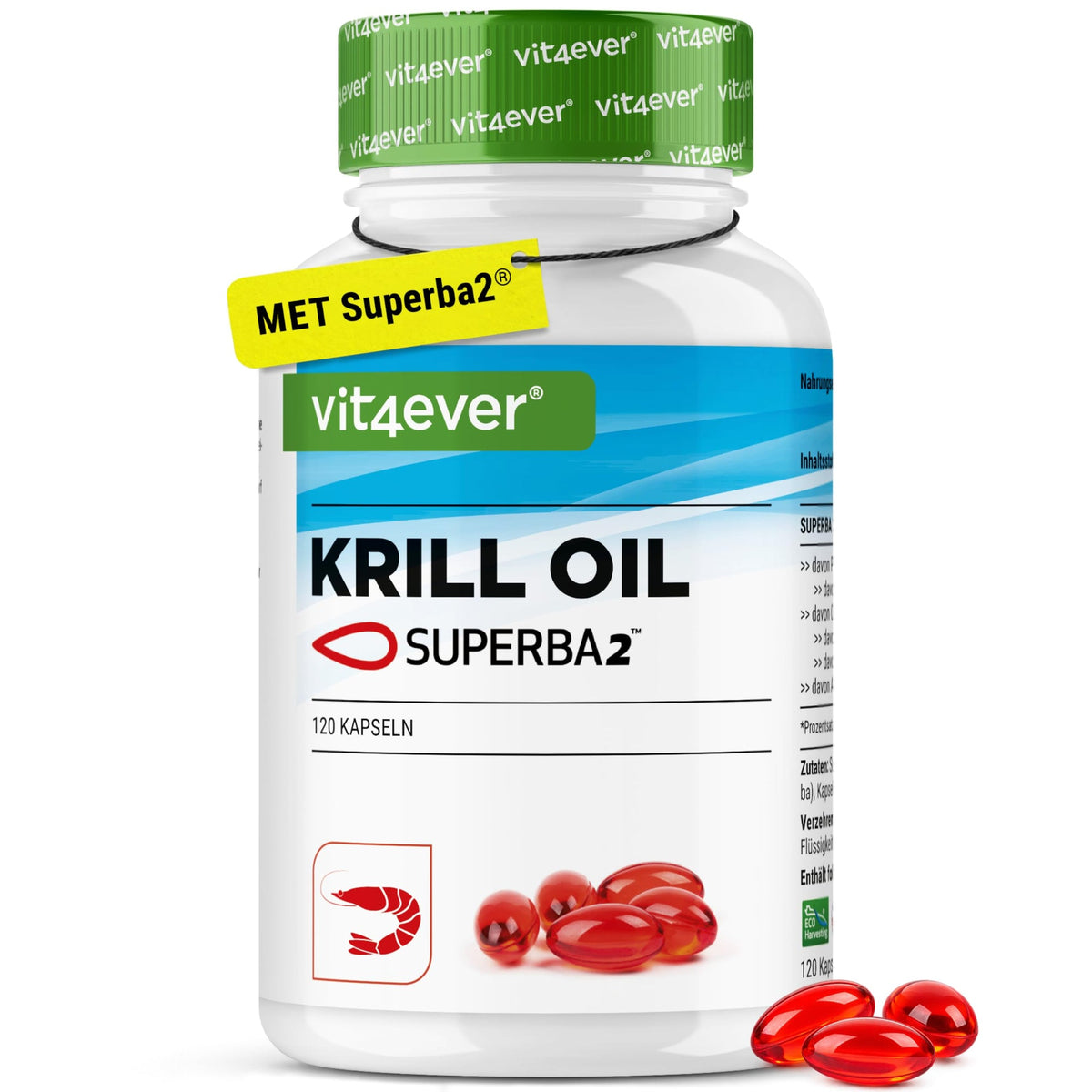
Actieprijs€31,90
€375,29  / kg
Actieprijs€23,90
€538,29  / kg
Actieprijs€32,90
€609,26  / kg
Actieprijs€23,90
€628,95  / kg

Buy astaxanthin: the natural pigment from algae

Astaxanthin is a natural color pigment belonging to the carotenoid group, the same family as beta-carotene and lutein. It is responsible for the reddish-pink color of salmon, trout, shrimp, and flamingos, which obtain this color through their diet. The main natural source of astaxanthin is the microalga Haematococcus pluvialis, which produces the pigment for protection. In supplement form, astaxanthin is used as a concentrated source of this carotenoid. In our range, you will find astaxanthin in various forms and dosages, from softgels to combinations with krill oil.

What is astaxanthin?

Astaxanthin is a fat-soluble carotenoid with an intense red color. Unlike some other carotenoids, astaxanthin is not converted into vitamin A in the body. The pigment occurs naturally in certain algae, yeast, and marine animals that feed on these algae. Because astaxanthin is fat-soluble, it is often offered in supplements in an oil-based softgel or as drops. The label states how many milligrams of astaxanthin are provided per serving.

Where does astaxanthin come from?

The most commonly used natural source of astaxanthin for supplements is the freshwater alga Haematococcus pluvialis, which produces large amounts of the pigment under stressful conditions. Astaxanthin is also found in marine animals such as salmon, trout, shrimp, and lobster, which absorb it through their food; it gives wild salmon its characteristic red flesh color. A synthetic variant also exists, which is mainly used in fish farming, but for dietary supplements, the natural form obtained from algae is usually chosen. The label of a supplement usually states whether the astaxanthin is natural or synthetic in origin.

What forms of astaxanthin are available?

Astaxanthin is available in various dosage forms. Softgels contain the pigment dissolved in an oil, which suits its fat-soluble nature. There are also oil-based drops and combination products, for example with krill oil or other carotenoids such as zeaxanthin. The amount of astaxanthin per serving varies by product and is stated on the label. Which form is best for you depends on your personal preference.

How much astaxanthin per day?

No official recommended daily amount has been established for astaxanthin. The dosage varies by product and is stated on the packaging. Because astaxanthin is fat-soluble, it is preferably taken with a meal that contains some fat. Follow the directions for use on the packaging and do not exceed the recommended daily amount. If in doubt, or if you are taking medication, consult a doctor or therapist beforehand.

Who is astaxanthin suitable for?

Astaxanthin supplements are intended for adults who want to use this carotenoid as a supplement to their diet. Because astaxanthin is obtained from algae, many products are suitable for a plant-based diet, although the softgel coating is sometimes of animal origin; check this on the label. During pregnancy or breastfeeding, and when taking medication, it is wise to consult a doctor beforehand. Always follow the recommended dosage on the packaging.

Buy astaxanthin: what to look for?

When choosing an astaxanthin supplement, a few things are practical. Look at the amount of astaxanthin per serving in milligrams and whether the source is natural (from Haematococcus pluvialis) or synthetic. Pay attention to the dosage form that suits you, such as softgels or drops, and whether the product may be combined with other substances such as krill oil. Check the purity and calculate the price per daily serving. Astaxanthin belongs to the carotenoids; for related products, also view our collections Antioxidants and Omega-3 / Fish Oil.

Need more advice?

Feel free to send us a message. We're happy to help and will answer your questions as soon as possible.
Tobian

Tobian

Customer service