Filter op
Filter op
ActieprijsVanaf €21,90
€74,60  / kg
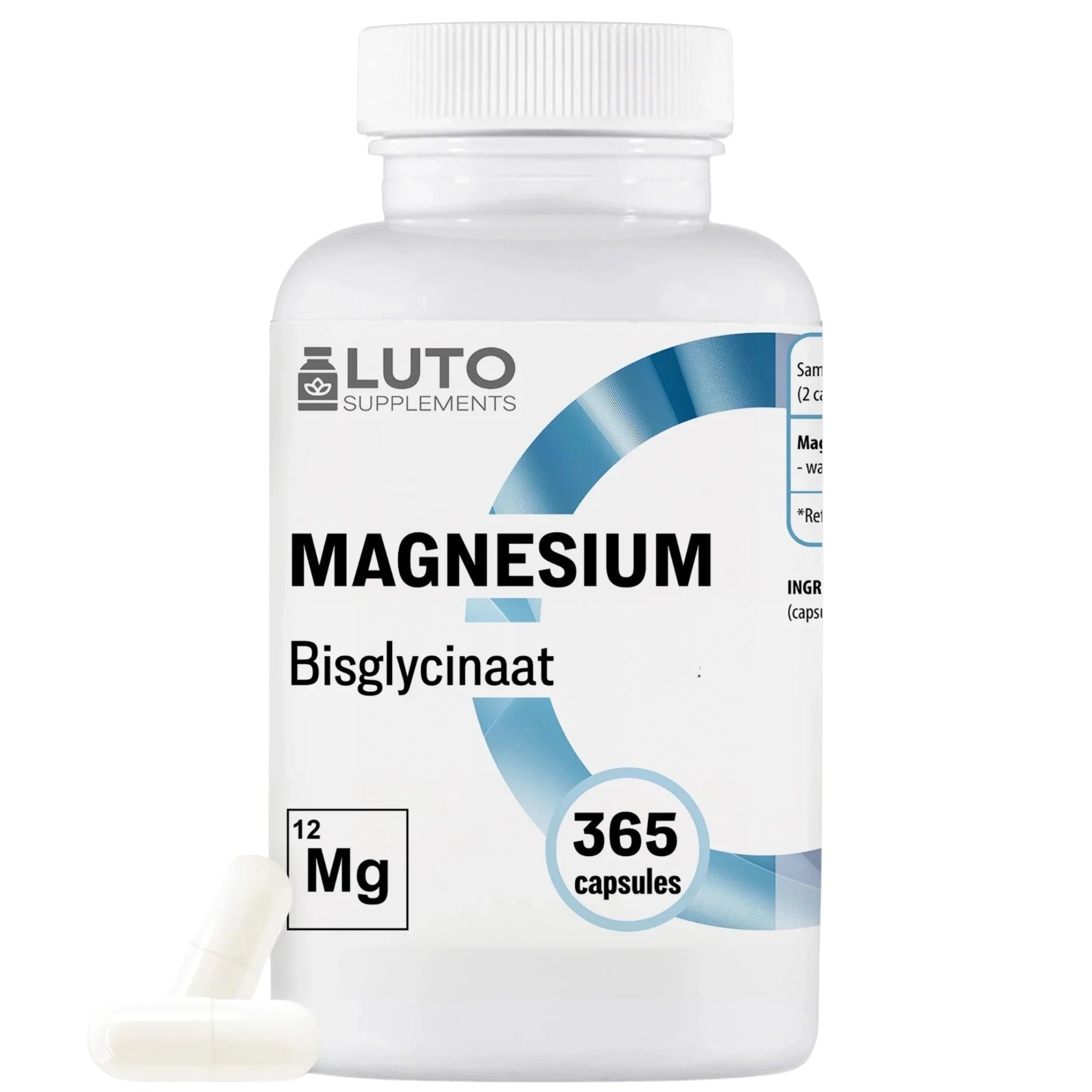
Actieprijs€17,90
€54,49  / kg
Actieprijs€23,90
€44,26  / kg
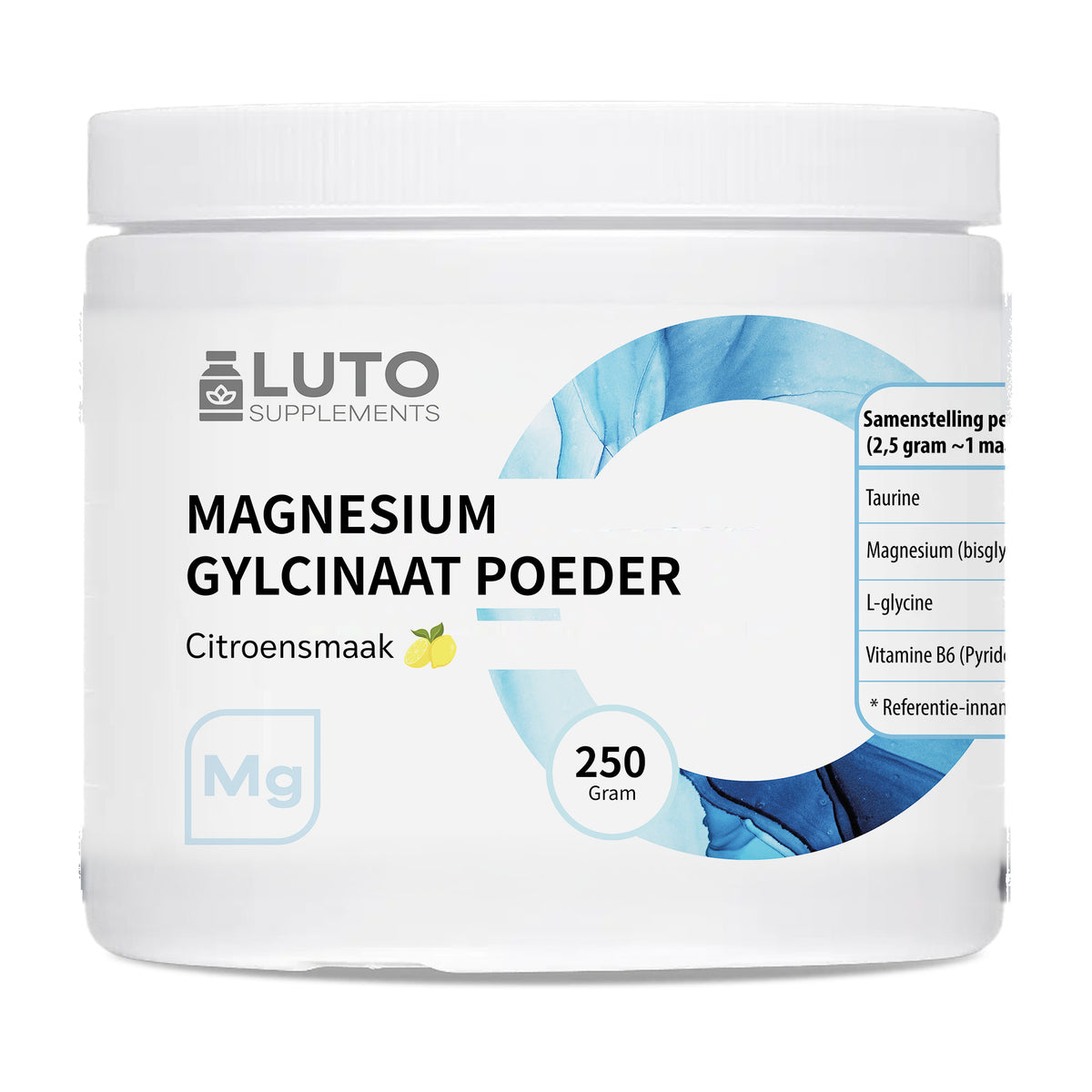
Actieprijs€21,90
€87,60  / kg
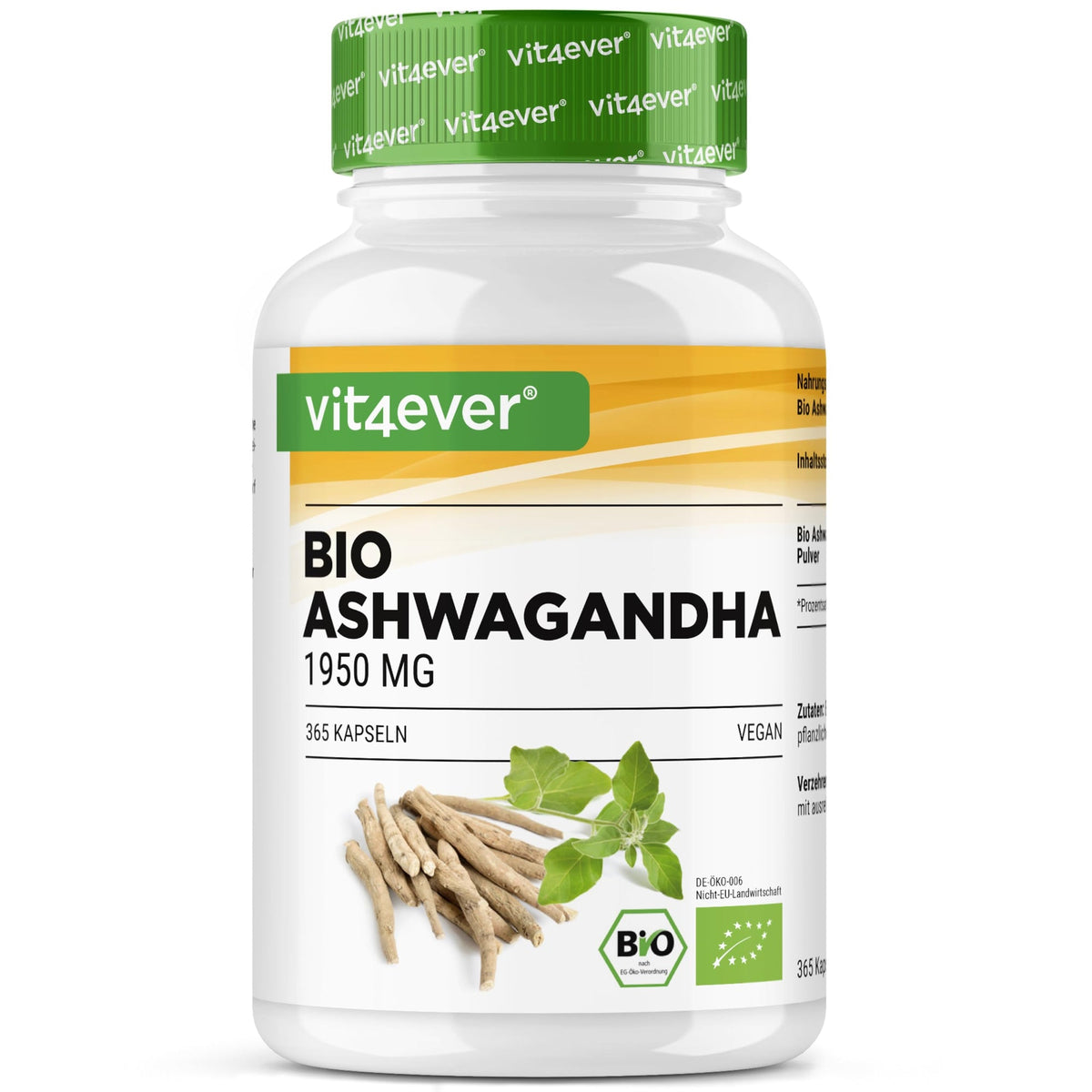
Actieprijs€23,90
€84,15  / kg
Actieprijs€23,90
€149,38  / kg
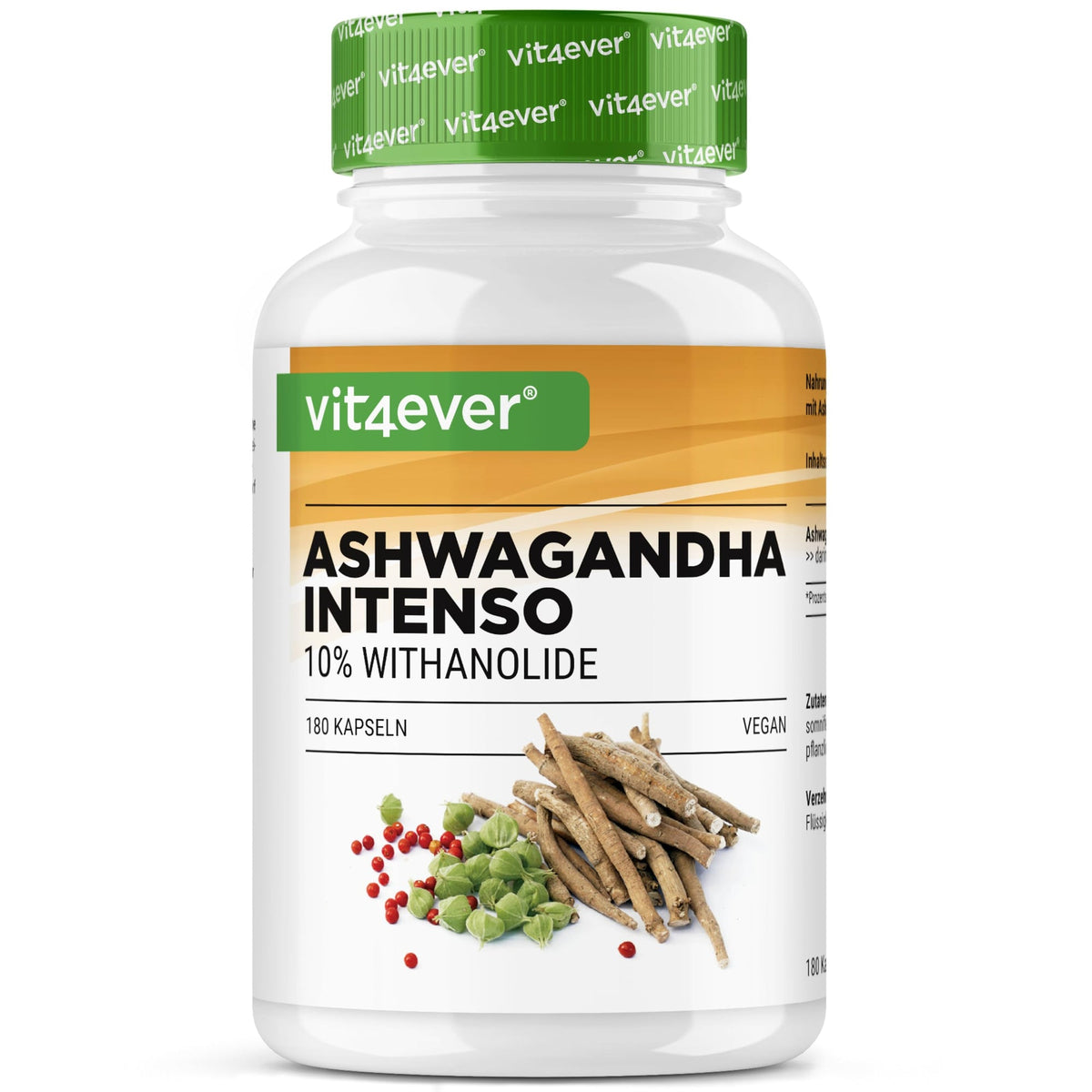
Actieprijs€30,90
€196,82  / kg
Actieprijs€10,90
€186,32  / kg
Actieprijs€19,90
€414,58  / kg
Actieprijs€29,90
€106,79  / kg
Actieprijs€33,90
€423,75  / kg
Actieprijs€27,90
€265,71  / kg

Stress & Relaxation: herbs, amino acids and minerals in powder, capsules and tablets

In the Stress & Relaxation category, you will find supplements that many people incorporate into their daily or evening routine. Think of herbs such as ashwagandha and rhodiola, plants with a long history of use such as valerian, passionflower and hops, amino acids such as GABA and L-theanine, and saffron extract (Affron). These plant-based and naturally occurring substances are described here: we explain what they are, where they come from and in what forms you can find them, without attributing any effect to them.

For the minerals and vitamins in some formulas, authorized health claims exist. For example, magnesium contributes to normal psychological function and the normal functioning of the nervous system, and vitamin B6 contributes to normal psychological function. In this range, you will find ashwagandha on its own (root powder, KSM-66 and Shoden extracts), GABA and L-theanine, rhodiola, saffron, passionflower, valerian and hops, as well as complexes containing magnesium, zinc and B vitamins. The forms range from powder and capsules to tablets, effervescent tablets and gummies, from brands such as Vit4ever, Swanson, Osavi, German Elite Nutrition, ESN, Himalaya, NOW Foods and LUTO Supplements.

What is included in this category?

It includes three types of ingredients: traditionally used herbs (ashwagandha, rhodiola, saffron, passionflower, valerian, hops), naturally occurring amino acids (GABA and L-theanine), and minerals and vitamins (magnesium, zinc, vitamin B6). For the herbs and amino acids, we only provide background information and their origin; authorized health claims apply only to the minerals and vitamins.

Where do these ingredients come from?

The ingredients in this category come from a variety of natural sources. The herbs come from specific plants: ashwagandha from the root of Withania somnifera, rhodiola from the root of Rhodiola rosea, saffron from the stigmas of the saffron crocus, and valerian and hops from valerian root and hop flowers, respectively. L-theanine occurs naturally in green tea leaves (Camellia sinensis), and GABA is an amino acid that the body produces itself. Minerals such as magnesium and zinc, and vitamin B6, occur naturally in foods such as nuts, seeds, whole grains, legumes and leafy green vegetables. In the supplements on this page, these substances have been isolated or processed as plant extracts into powder, capsules, tablets or gummies.

Ashwagandha

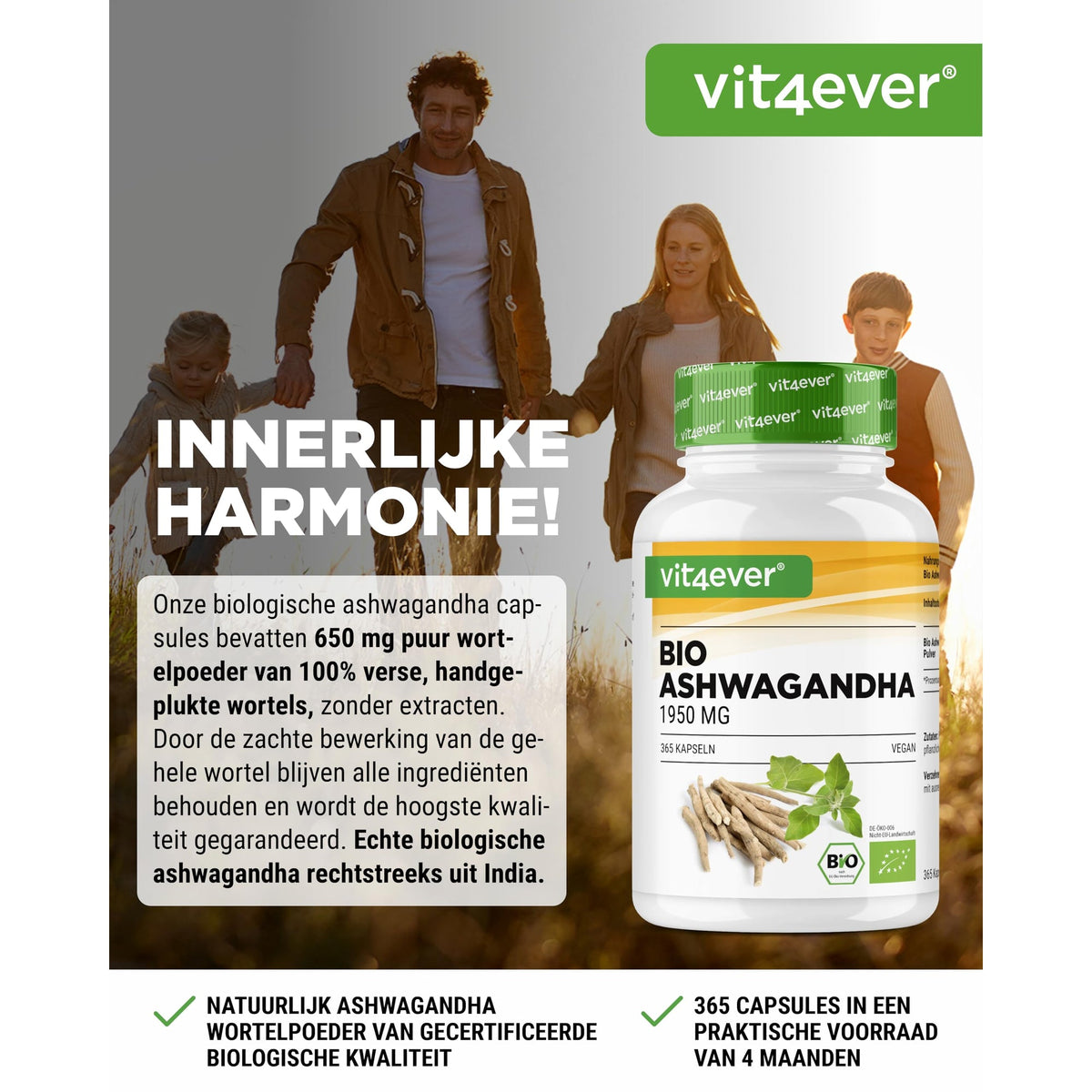
Ashwagandha (Withania somnifera) is a shrub from the nightshade family that has traditionally been used in Ayurvedic herbal medicine. The root is primarily used. Here, you can find ashwagandha as pure root powder, as loose powder for dosing, and as standardized extracts such as KSM-66 and Shoden, which contain a fixed percentage of withanolides. There are also ready-made forms such as capsules, tablets and gummies, as well as complexes in which ashwagandha is combined with magnesium, zinc and vitamin B6.

GABA and L-theanine

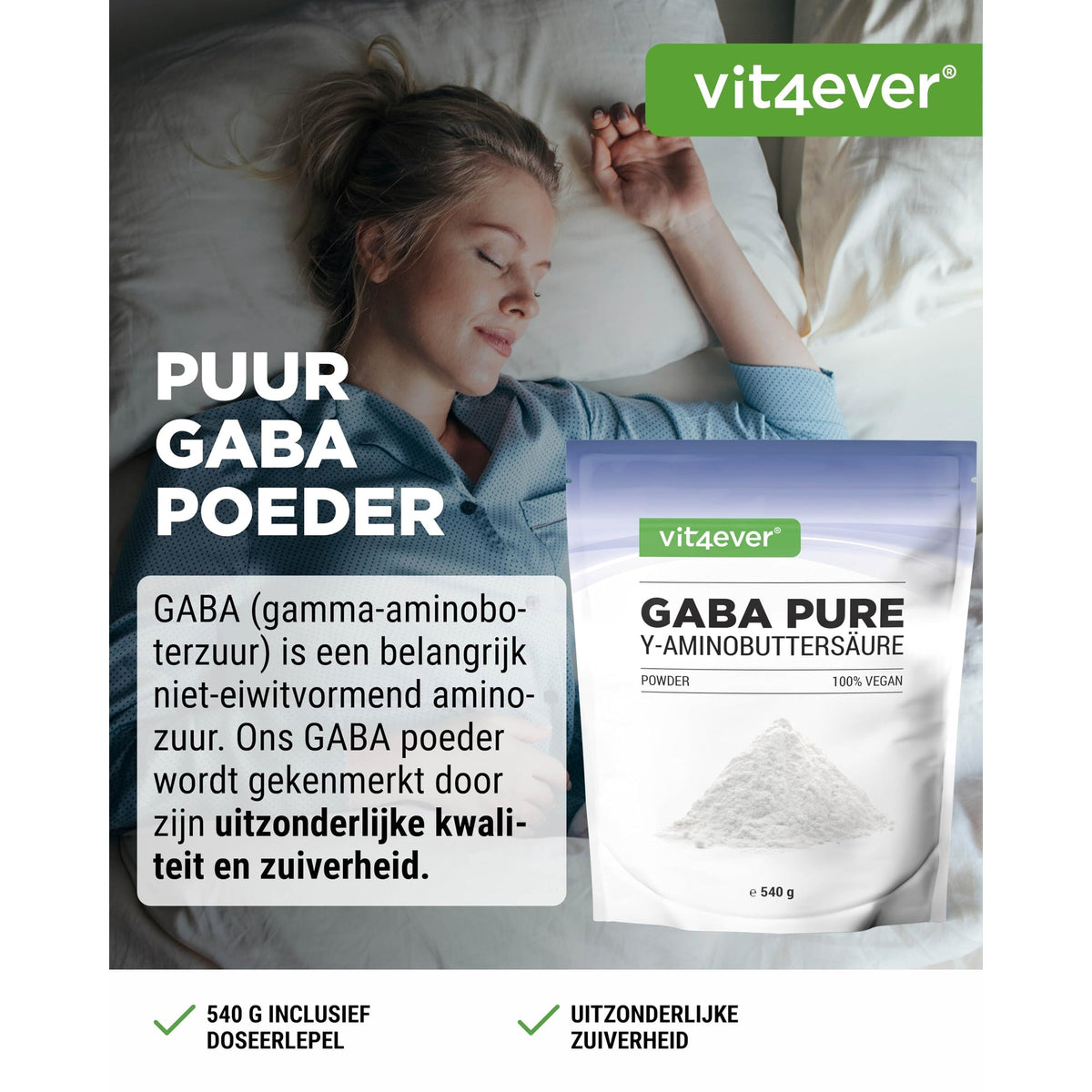
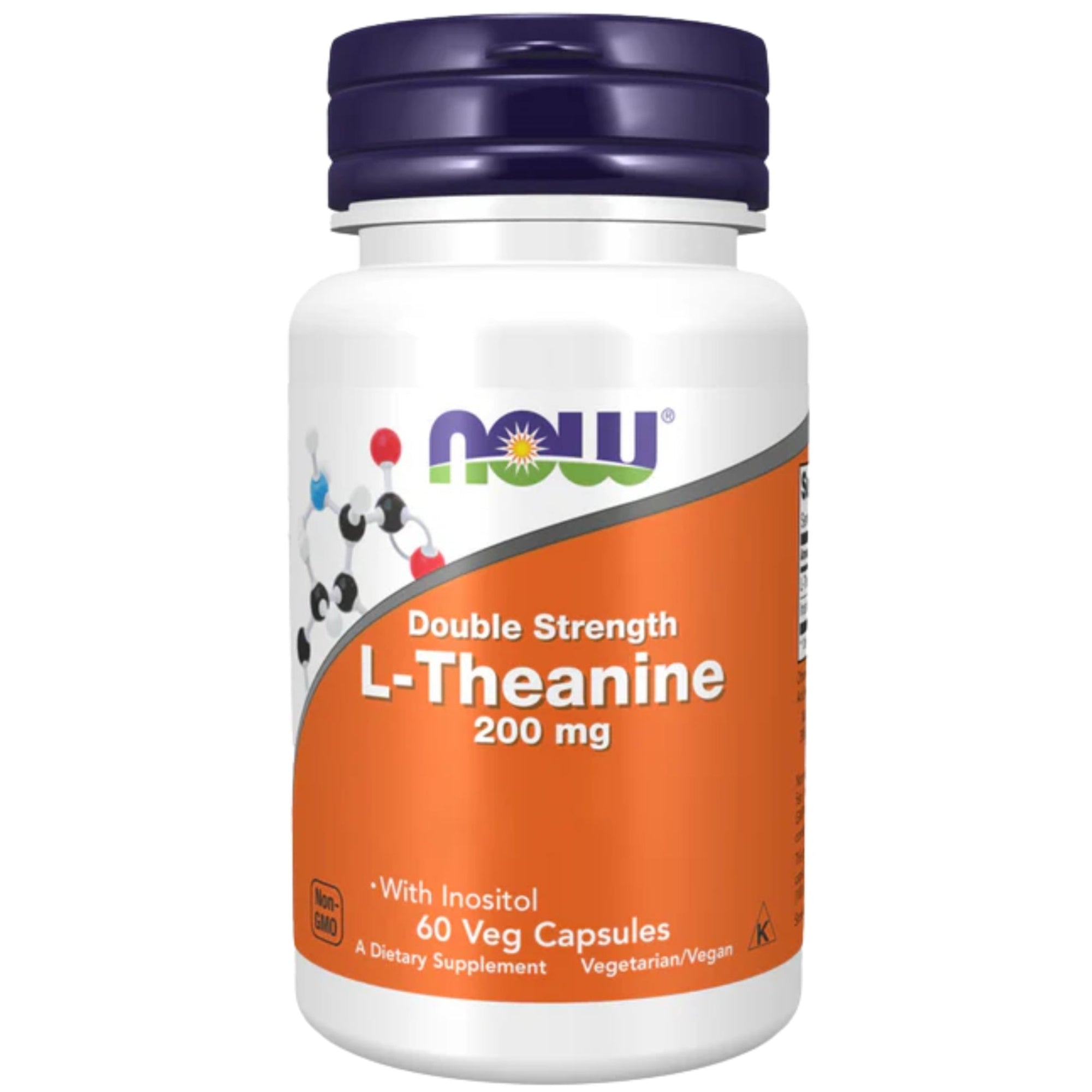
GABA (gamma-aminobutyric acid) is an amino acid that the body produces itself. As a supplement, it is available as powder, capsules and effervescent tablets, sometimes combined with vitamin B6. L-theanine is an amino acid that occurs naturally in green tea leaves (Camellia sinensis) and is offered as a loose capsule or in combination with GABA or inositol. Both are described here without attributing any effect; where vitamin B6 has been added, it contributes to normal psychological function and the normal functioning of the nervous system.

Rhodiola, saffron and passionflower

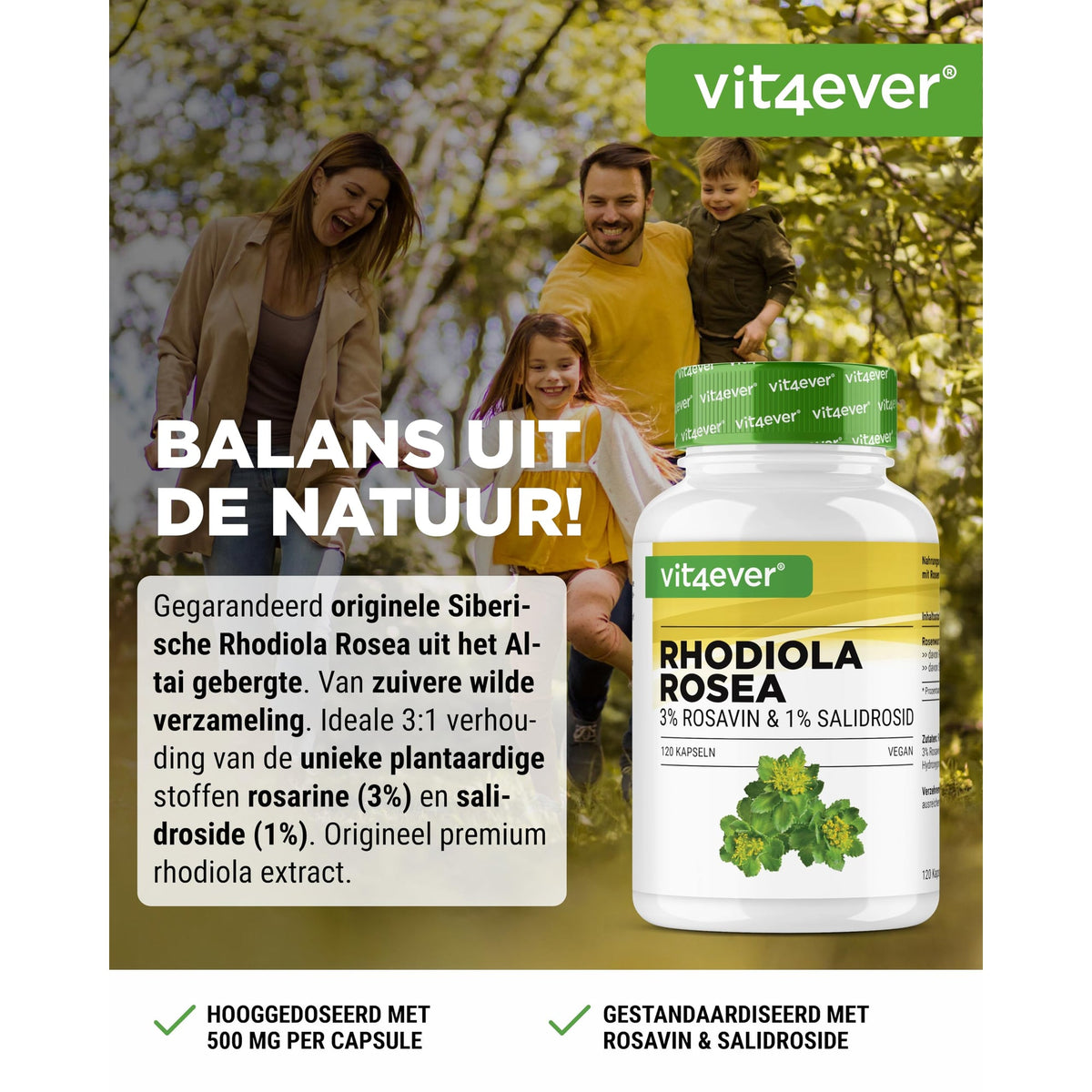
Rhodiola rosea, also known as rose root or golden root, grows in the cold mountain regions of Scandinavia and elsewhere. Saffron comes from the stigmas of the saffron crocus (Crocus sativus); in supplements, the standardized extract Affron is often used. Passionflower (Passiflora incarnata) is a climbing plant with a long history of use in herbal medicine. All three are described here without any claims about their effects and are available as capsules or extracts.

Valerian and hops

Valerian (Valeriana officinalis) is a plant whose root has been used in herbal preparations for centuries; you can find it as root powder in tablets or capsules. You probably know hops (Humulus lupulus) from beer, but the plant also has a long tradition in herbal medicine and is offered as an extract in capsule form. We also describe these plants without making any claims about their effects.

Magnesium, zinc and vitamin B6

Various formulas in this category combine herbs with minerals and vitamins. Authorized health claims exist for these nutrients. Magnesium contributes to normal psychological function, the normal functioning of the nervous system and the reduction of tiredness and fatigue. Vitamin B6 contributes to normal psychological function, the normal functioning of the nervous system and the regulation of hormonal activity. Zinc contributes to normal cognitive function. These claims apply to the mineral or vitamin itself, not to the herb with which they are combined.

Forms and variants

There is a wide range of options in this category. With powder (for example, ashwagandha or GABA), you determine the amount yourself and mix it with water or a smoothie. Capsules and tablets are convenient for on the go and contain a fixed dose per piece. Effervescent tablets dissolve in the mouth, while gummies are a chewable option, often with a fruity flavour. With extracts (such as KSM-66, Shoden or Affron), some of the plant substances are concentrated and standardised to a fixed level, so you need a smaller amount than with non-standardised powder.

Dosage

The correct amount varies depending on the ingredient and product. For powders, you usually use a scoop; for capsules, tablets and gummies, you take a fixed number of pieces per day. Standardised extracts generally have a lower daily dose than pure powder because the extract is concentrated. Combination products indicate on the packaging how much of the total formula to take. Always follow the directions for use on the packaging for the exact amount and time of intake, and do not exceed the recommended daily dose.

When should you take these supplements?

The time of intake depends on the product and your own preference. Some people choose to take these supplements as part of an evening routine, while others take them at different times throughout the day. Mix powders with water, tea or a smoothie; take capsules, tablets and gummies with a sip of water. Combination products and extracts often specify a particular time or intake with a meal. Always follow the directions for use on the packaging of the relevant product for the recommended time of intake.

What to look for when buying

When choosing, consider the form that suits you (powder, capsule, tablet or gummy) and whether you are looking for a single ingredient or a complex. For extracts, check the standardised level, such as the percentage of withanolides in ashwagandha or the amount of Affron in saffron. Check whether the product is suitable for a vegan or vegetarian diet and whether it is free from substances you want to avoid, such as gluten or lactose. For complexes, it is worth checking which minerals and vitamins have been added and in what form, for example magnesium bisglycinate or vitamin B6 as pyridoxal-5-phosphate.

Also view our related collections Ashwagandha, GABA, Magnesium and Saffron.

Need more advice?

Feel free to send us a message. We're happy to help and will answer your questions as soon as possible.
Tobian

Tobian

Customer service