Filter op
Filter op
Actieprijs€21,90
€405,56  / kg
Actieprijs€23,90
€84,15  / kg
Actieprijs€30,90
€196,82  / kg
ActieprijsVanaf €25,90
€107,60  / kg
Actieprijs€33,90
€423,75  / kg
Actieprijs€28,90
€136,97  / kg
ActieprijsVanaf €6,90
€134,62  / kg
Actieprijs€20,90
€139,33  / kg
Actieprijs€21,90
€195,54  / kg
Actieprijs€27,90
€265,71  / kg
Actieprijs€22,90
€38,17  / kg
Actieprijs€28,90
€1.032,14  / kg

Buy adaptogens: ashwagandha, rhodiola, ginseng and more

Adaptogens is a collective term for a group of plants, roots and mushrooms that have traditionally held a place in traditions such as Ayurveda and traditional Chinese herbal medicine. The term "adaptogen" is a traditional herbal medicine designation for this group of plants, roots and mushrooms. It is a traditional botanical concept and not a medical category. Well-known examples are ashwagandha, rhodiola, ginseng, maca, and the mushrooms reishi and cordyceps, plus the mineral resin shilajit.

In this collection you will find the complete adaptogens range from LUTO Supplements together: individual herbs and mushrooms such as ashwagandha, rhodiola, panax ginseng, reishi, cordyceps, maca and shilajit, alongside formulated products such as our Adaptogens Complex. You can choose from a variety of forms: capsules, tablets, loose powder, gummies and even pure shilajit resin. The products come from brands such as Vit4ever, Swanson, NOW Foods, Osavi, German Elite Nutrition, Himalaya, ESN and our own LUTO Supplements line.

What are adaptogens?

Adaptogens is a traditional designation for certain herbs, roots and mushrooms that played a role in ancient herbal traditions. It is therefore a historical and cultural concept from herbal medicine, not a proven category of action. We therefore describe adaptogens on this page in terms of their origin, tradition and the forms in which you can buy them, without associating any health claims with the herbs themselves.

What adaptogens are available?

Several well-known botanicals and mushrooms fall under the term adaptogens. The best-known ones you will find in our range are:

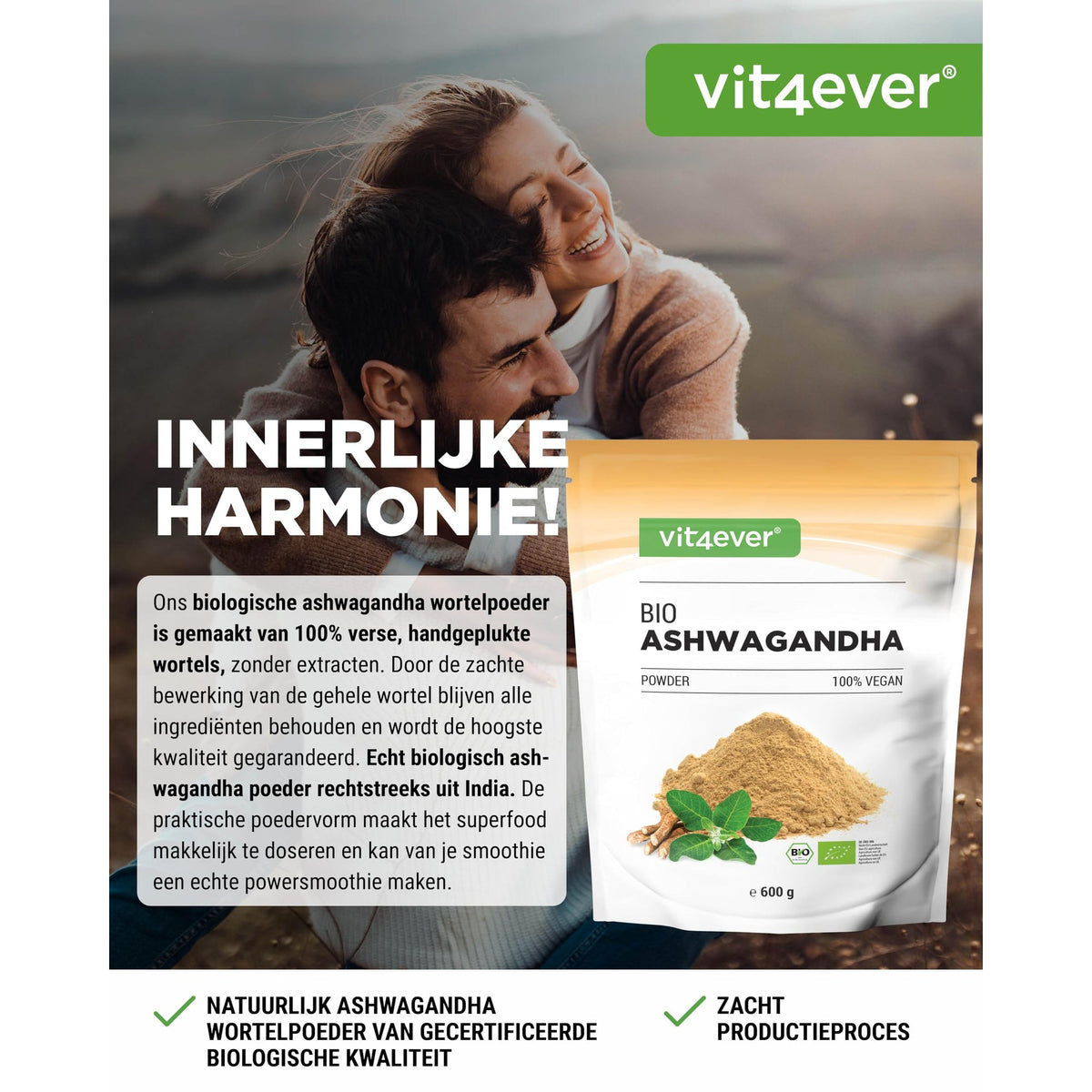
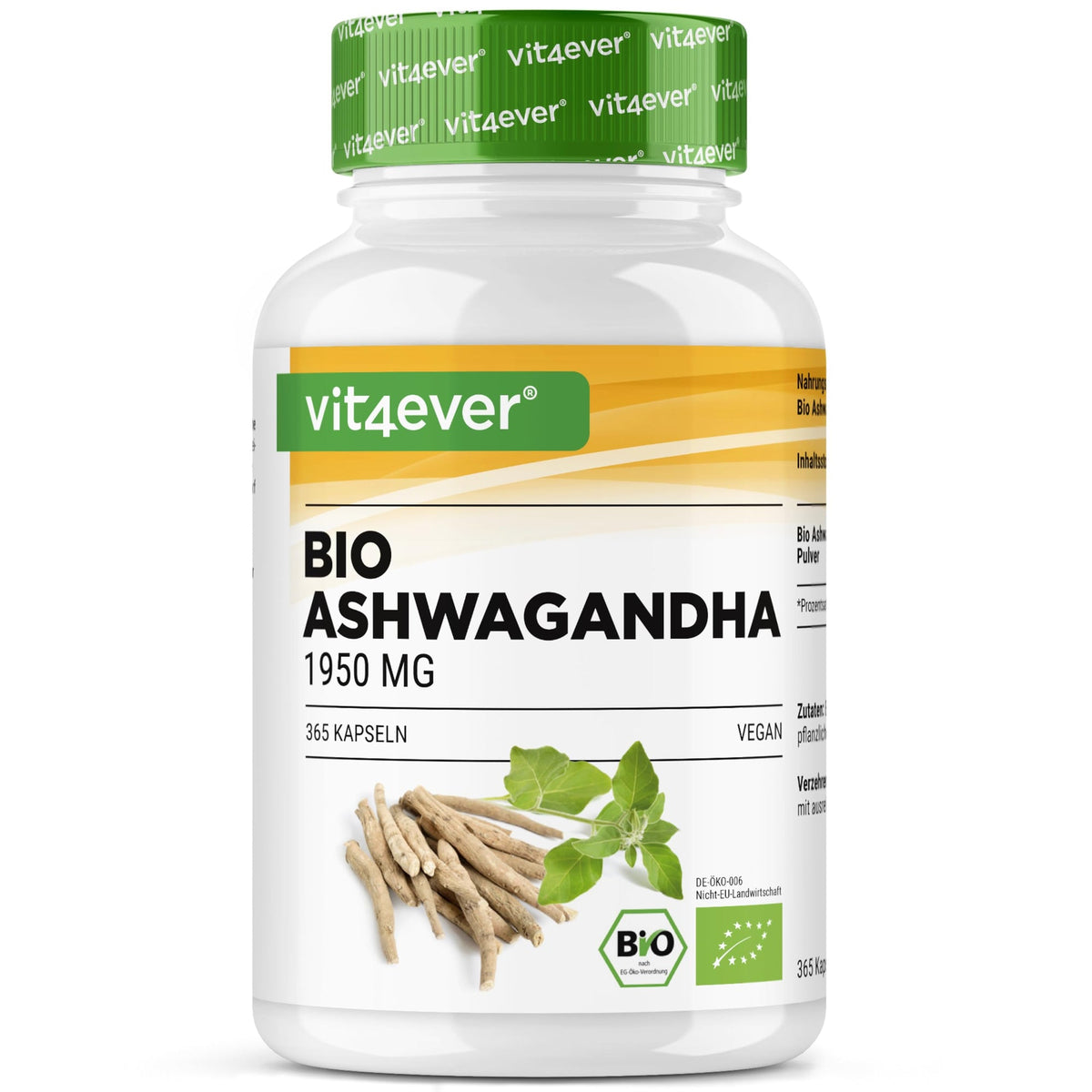
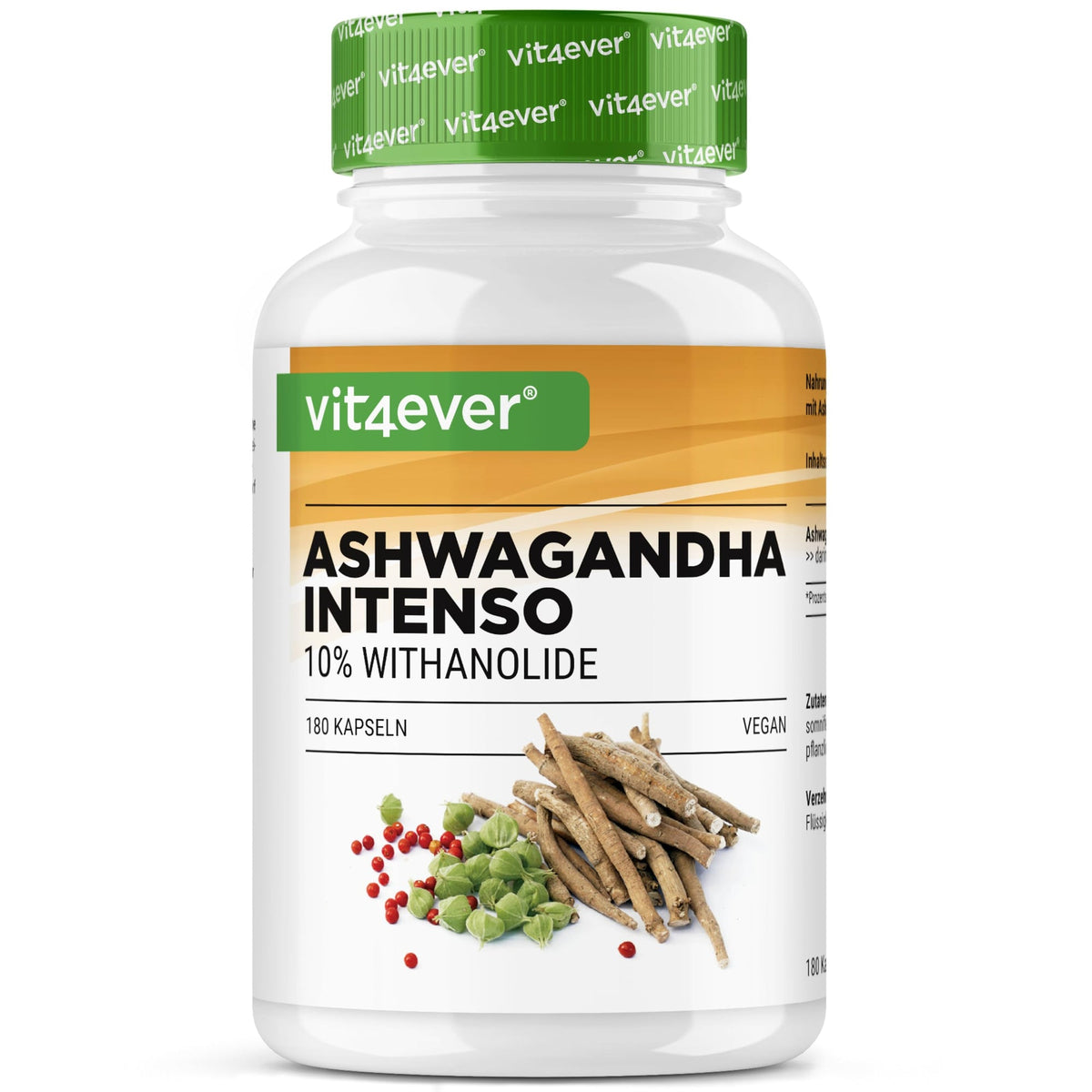
  • Ashwagandha (Withania somnifera), a root from the Ayurvedic tradition, available as powder, capsule and standardised extract such as KSM-66 and Shoden.
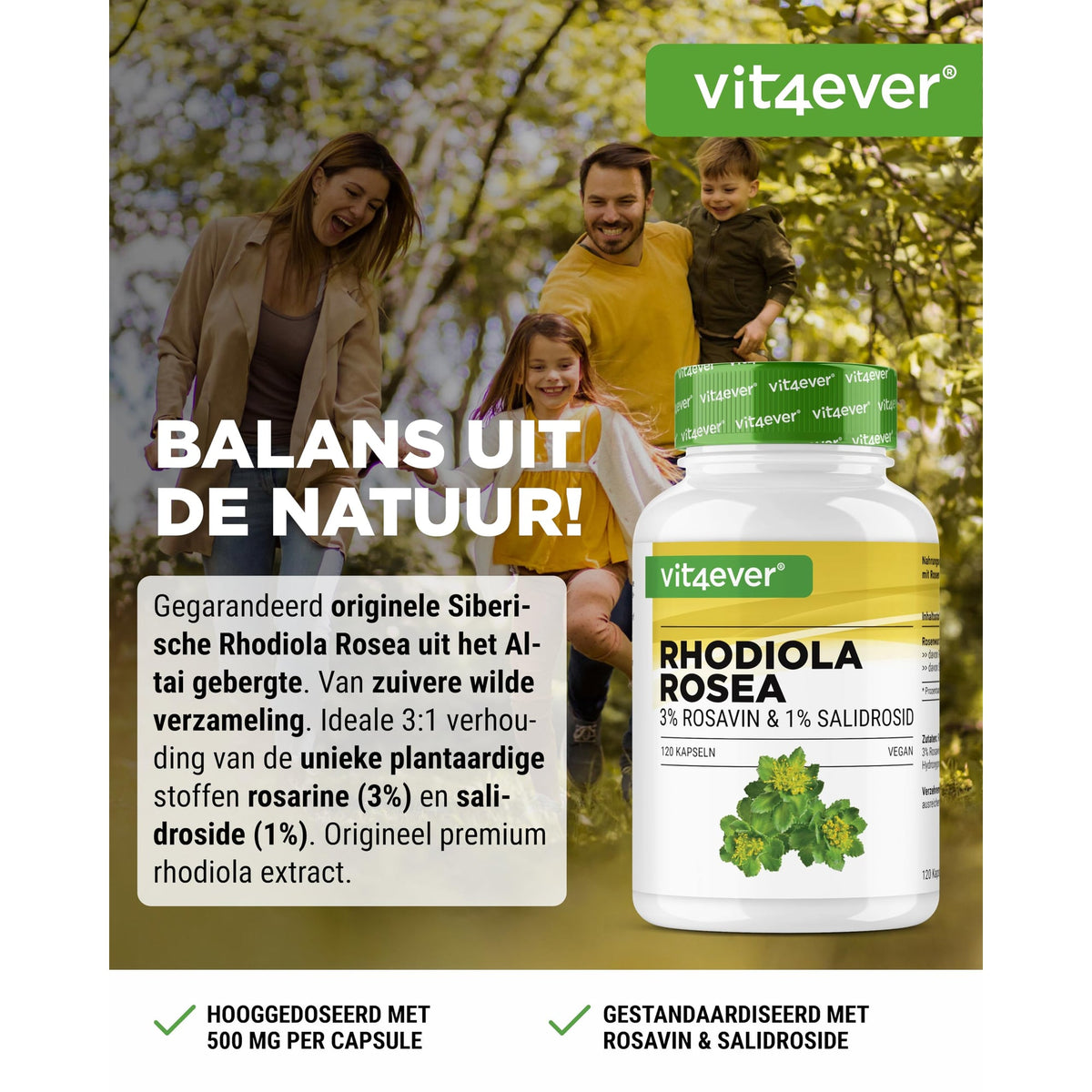
  • Rhodiola rosea, the rose root from the cold mountain regions of Scandinavia and Asia.
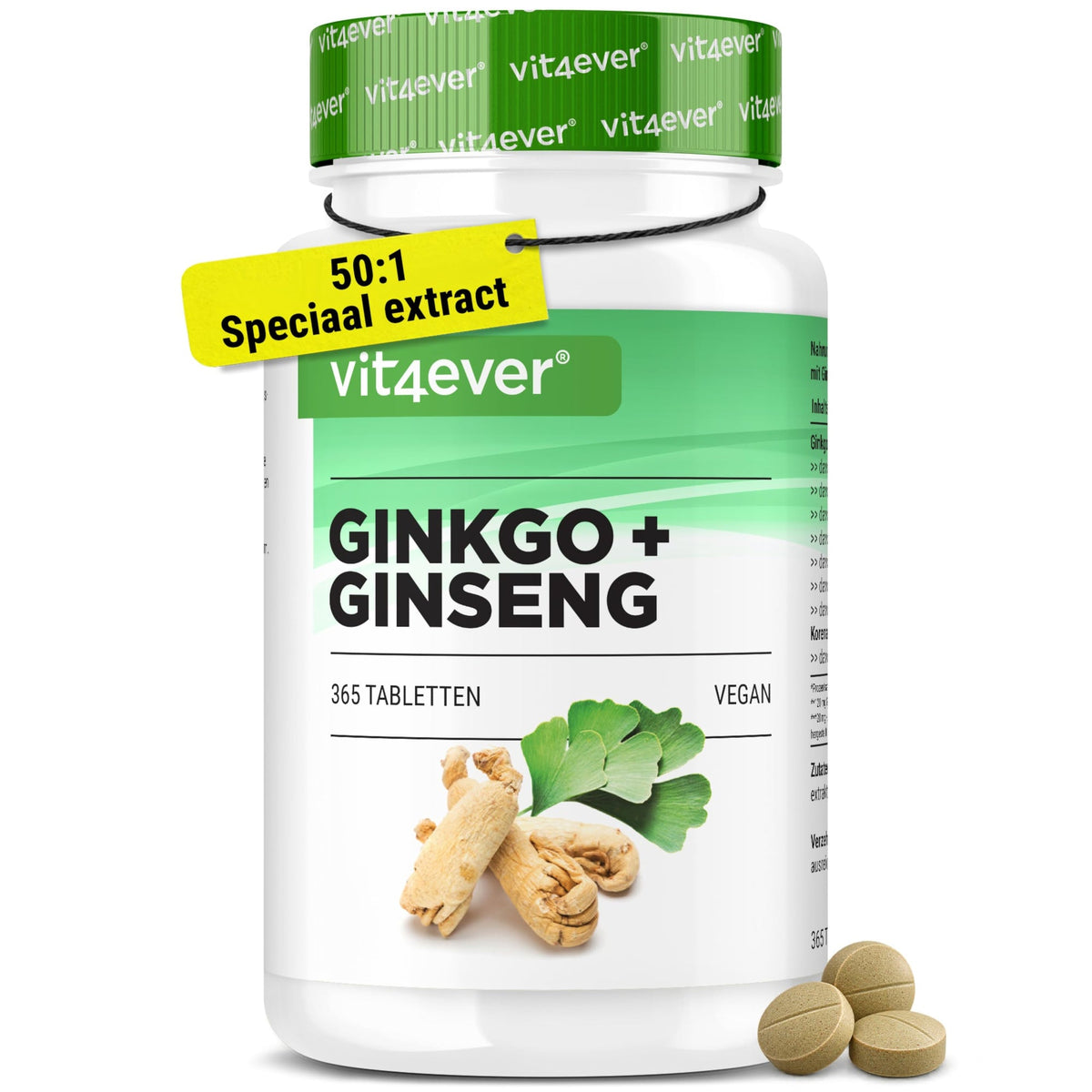
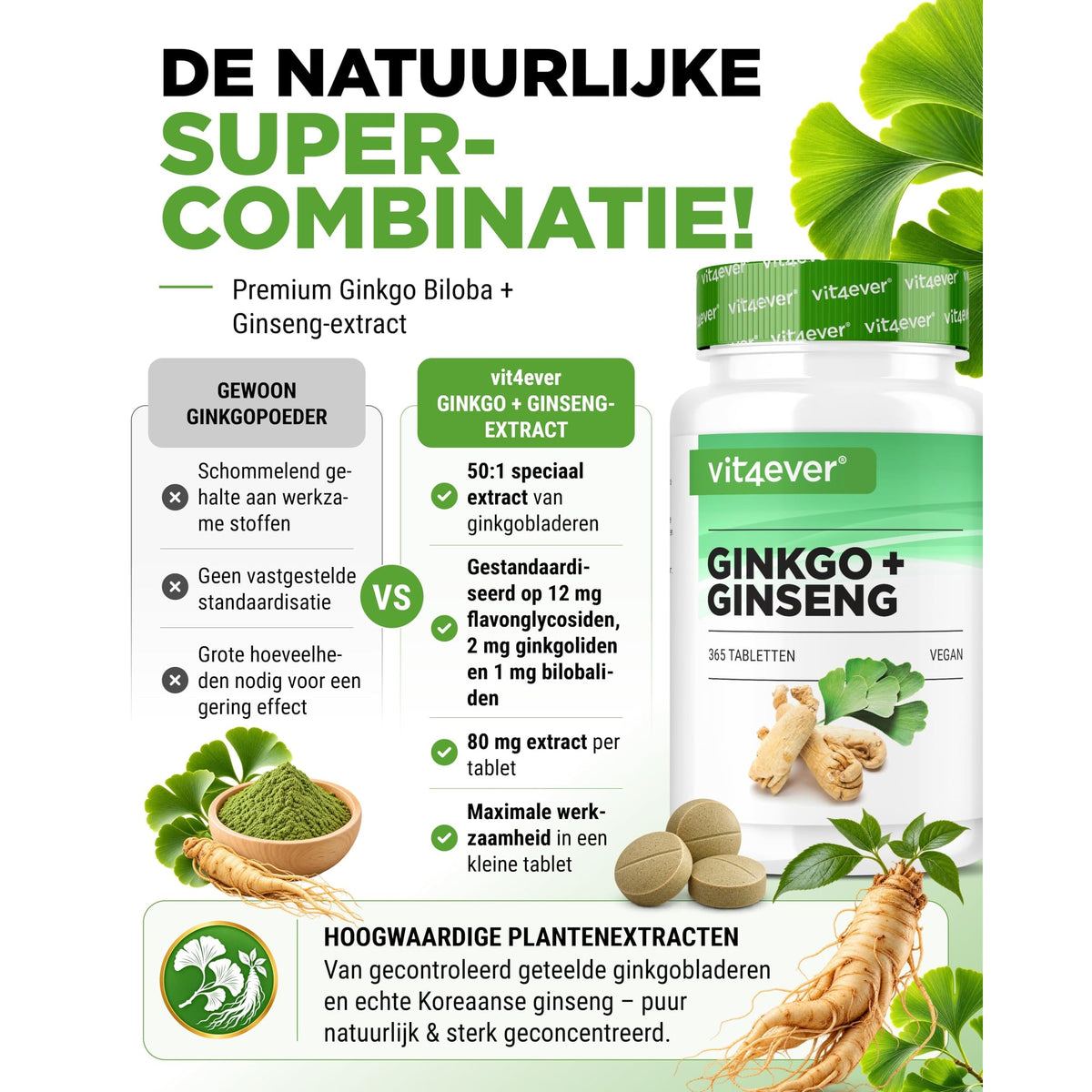
  • Ginseng, particularly panax ginseng, a classic root from traditional Chinese herbal medicine.
  • Maca (Lepidium meyenii), a tuber from the Peruvian Andes.
  • Reishi and cordyceps, two mushrooms with a long history in Asian traditions.
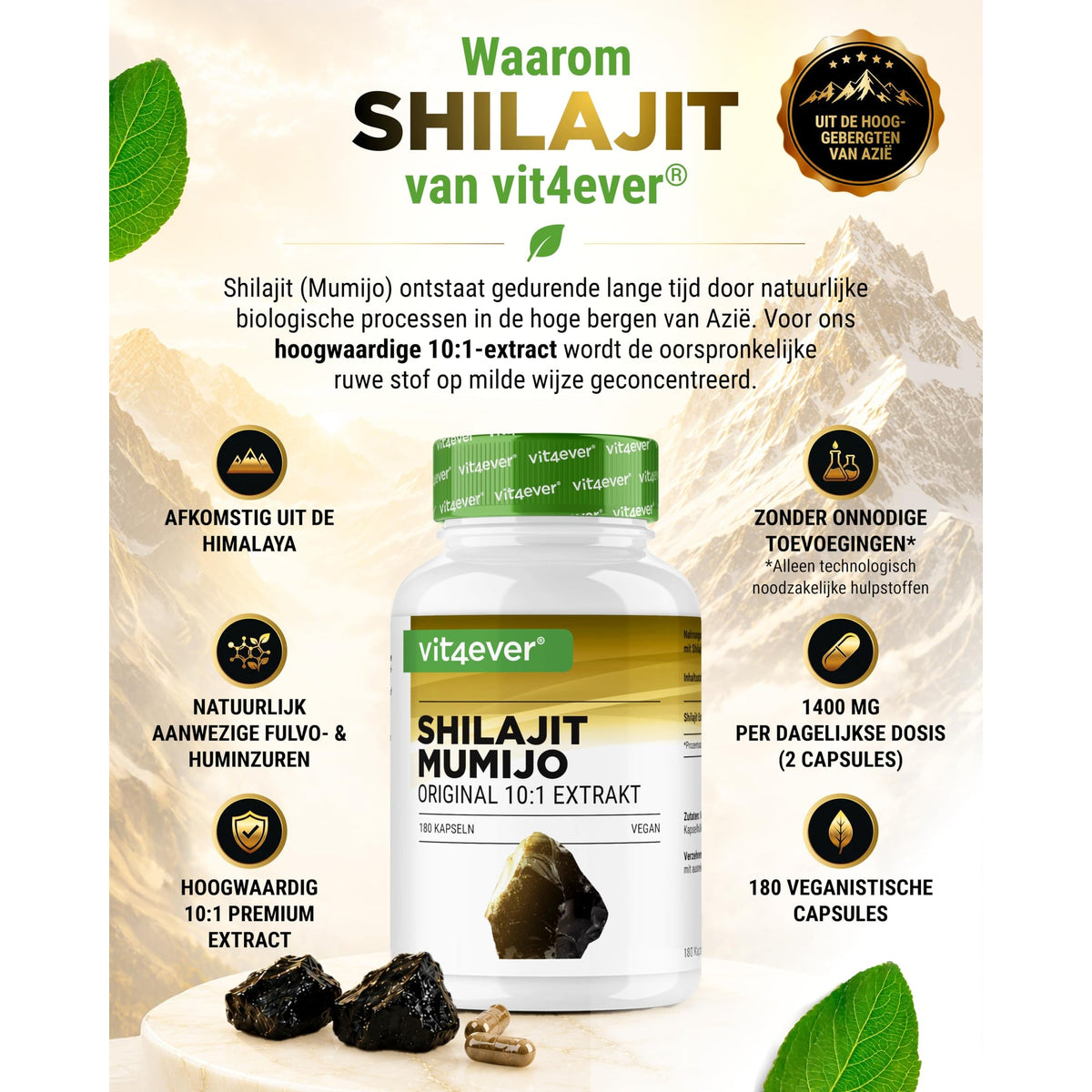
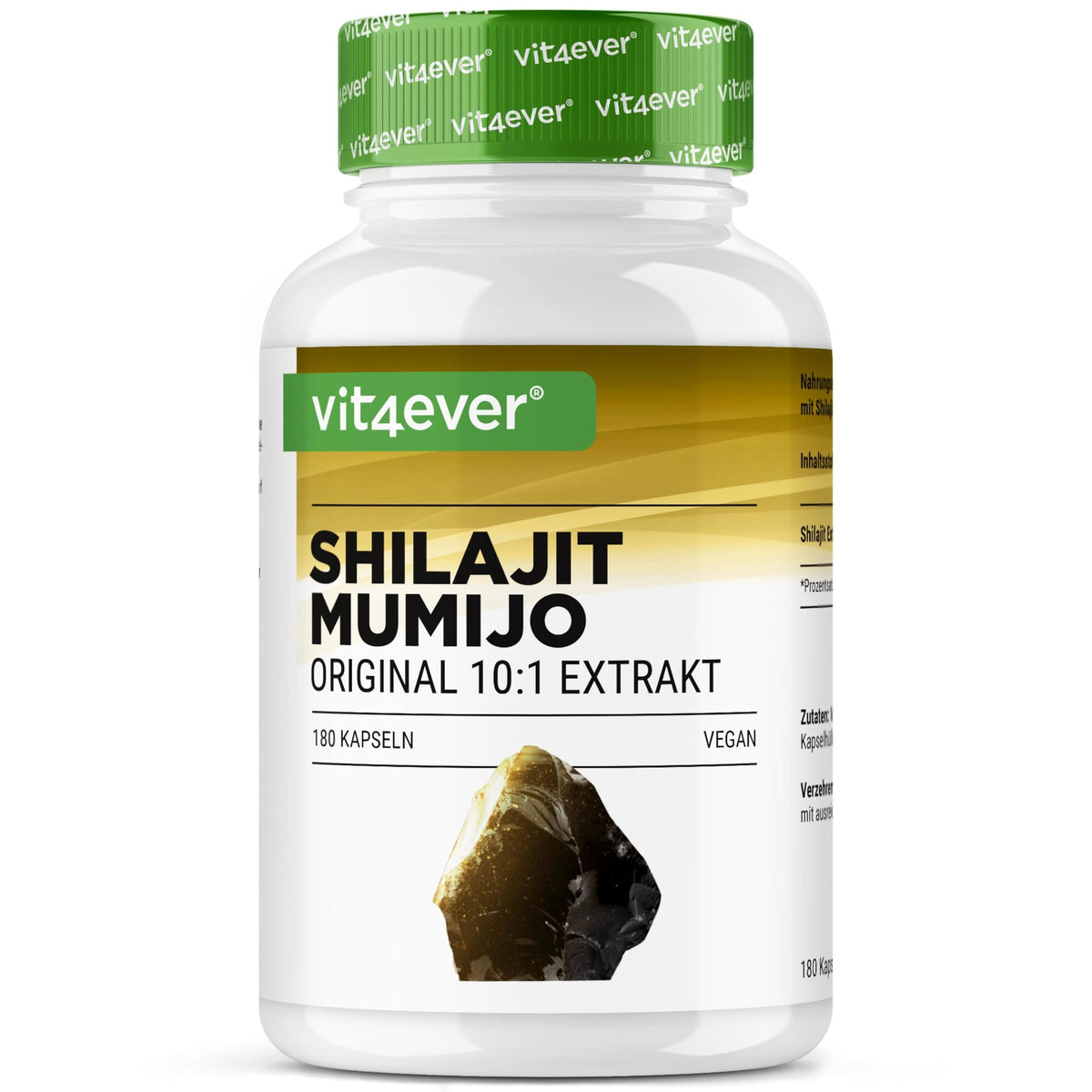
  • Shilajit (mumijo), a dark mineral resin from high mountains such as the Himalayas.

Where do adaptogens come from?

The various adaptogens each have their own origin. Ashwagandha grows in India and parts of the Middle East and has been used there in Ayurveda for centuries. Rhodiola thrives in the cold, high-altitude regions of Scandinavia, Siberia and the Alps. Ginseng and the mushrooms reishi and cordyceps belong to traditional Chinese herbal medicine. Maca comes from the highlands of Peru, while shilajit is obtained as resin from rock crevices in mountains such as the Himalayas. This diverse origin explains why you encounter adaptogens in such different forms.

Forms and variants: capsules, powder, extract and resin

Adaptogens are available in several dosage forms, each with its own practical characteristics. Capsules and tablets are convenient for on the go and provide a fixed amount per piece. Loose powder, for example of ashwagandha or maca, can be mixed into a smoothie, yoghurt or hot drink and is often economical per serving. Standardised extracts (such as ashwagandha KSM-66 or Shoden, or a panax ginseng 20:1 extract) are more concentrated and state a fixed percentage of characteristic plant substances. You can buy shilajit as a capsule or as pure resin that you dissolve yourself. There are also complexes that combine multiple adaptogens or mushrooms.

Adaptogens combined with vitamins and minerals

Some of the formulas in this collection combine plant extracts with vitamins and minerals. This is relevant, because permitted health claims are available for those nutrients. For example, magnesium and vitamin B6 contribute to normal psychological function and to the reduction of tiredness and fatigue, and magnesium contributes to the normal functioning of the nervous system. Vitamin B12 contributes to normal energy-yielding metabolism, and zinc and selenium contribute to the protection of cells from oxidative damage. These contributions apply to the vitamins and minerals in question, not to the herbs or mushrooms themselves.

Dosage and use

The correct amount varies per adaptogen and per product form. Loose powder is often dosed per teaspoon, while capsules, tablets and extracts provide a fixed amount per piece; you need a smaller amount of a concentrated extract than raw powder. Many people take adaptogens as part of a daily routine. Always refer to the instructions for use on the packaging for the exact dosage, best time of intake and any usage advice.

When do you take adaptogens?

The time of intake for adaptogens is mainly a matter of practical preference and routine. Many people take an individual herb or complex at a fixed time, for example with a meal, so that it easily becomes part of their daily routine. You can stir loose powder into your breakfast, smoothie or a hot drink, while capsules and tablets can be taken at any desired time with some water. The best time and way of intake may vary per product; therefore, always follow the instructions for use on the packaging.

Who are adaptogens interesting for?

Adaptogens are chosen by people who want to try these herbs and mushrooms out of tradition or curiosity. Some prefer an individual herb such as ashwagandha or maca, while others prefer a ready-made complex with multiple ingredients. Do you use medication, are you pregnant or breastfeeding? Then consult your GP or pharmacist first before starting a new supplement. Dietary supplements are not a substitute for a varied diet and a healthy lifestyle.

What to look for when buying adaptogens?

When choosing an adaptogen, pay attention to a few practical points. Check whether it is raw powder or a standardised extract, because that determines the concentration and the stated percentage of characteristic substances. Check the amount per capsule or serving, the origin and whether the product is organic or vegan, for example. For shilajit, purity and origin are important points of attention. If you want multiple herbs at the same time, a complex is convenient; if you are looking for control over a single herb, choose a separate product. This way you will find the form in our range that suits your preference.

Also view our individual collections Ashwagandha, Rhodiola, Ginseng and Shilajit, or browse all Mushroom Extracts.

Need more advice?

Feel free to send us a message. We're happy to help and will answer your questions as soon as possible.
Tobian

Tobian

Customer service