







Filter op
Filter op
Actieprijs€19,90
€29,84  / 100g
Actieprijs€26,90
€19,56  / 100g
Actieprijs€25,90
€54,76  / l
Actieprijs€25,90
€246,67  / kg
Actieprijs€12,90
€394,50  / kg
Actieprijs€35,90
€172,60  / kg
Actieprijs€31,90
€139,30  / kg
Actieprijs€23,90
€206,03  / kg
Actieprijs€18,90
€85,06  / kg
Actieprijs€8,90
€106,71  / kg
UitverkochtSwanson Arjuna Schors Gestandaardiseerd 500mg 60 capsules - voedingssupplement | kopen in Nederland en België Voedingswaarden en ingrediënten Swanson Arjuna Schors Gestandaardiseerd 500mg - etiket met supplement facts
Actieprijs€19,90
€320,45  / kg

Herbal and plant supplements

Herbal and plant supplements are products based on botanical raw materials. These include roots, leaves, seeds, fruits, bark, and mushrooms, which are processed into powder, capsules, or extracts. Within this category, you'll find a wide range, from well-known classics to lesser-known botanicals, originating from diverse traditions and regions worldwide.

The assortment ranges from single herbs to complex formulations, and from simply dried plant material to standardized extracts. On this page, we'll outline what herbal and plant supplements are, in what forms they are available, and what to look for when choosing.

What are herbal and plant supplements?

Herbal and plant supplements, also known as botanicals, are food supplements in which plant-based material forms the basis. This material can come from the root, leaf, flower, seed, or fruit of a plant. In addition to classic herbs, mushrooms such as lion's mane and cordyceps also fall into this category. The raw materials are dried, ground, or extracted and then processed into a supplement with a fixed dosage.

Popular herbs and plants

The assortment includes both widely known herbs and specific botanicals. Some examples from this category:

  • Ashwagandha (Withania somnifera), a root traditionally used in Ayurvedic tradition.
  • Turmeric (Curcuma longa), a rhizome known as a yellow culinary spice and often standardized for curcuminoids.
  • Lion's mane (Hericium erinaceus), an edible mushroom traditionally used in East Asia.
  • Moringa (Moringa oleifera), a tropical tree whose leaves are processed into powder.
  • Ginseng and ginkgo biloba, plants with a long history in Asian herbal tradition.
  • Saw palmetto (Serenoa repens), the fruit of an American dwarf palm.
  • Resveratrol, a substance naturally found in grape skin and Japanese knotweed, among others.
  • Berberine, a plant compound found in various plants such as barberry.

Forms: capsules, powder, and extracts

Herbs and plants are available in various forms. The choice depends on your preference and usage.

  • Capsules and tablets: a measured dosage that is easy to take.
  • Powder: loose plant material that you dose yourself and, for example, mix into a drink.
  • Liquid extracts and drops: concentrated liquids based on alcohol, glycerin, or water.

Standardized extracts

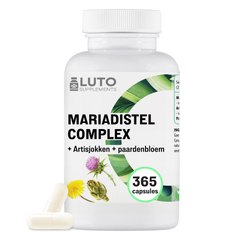
With a standardized extract, the plant material is concentrated and adjusted to a fixed content of a specific plant compound. For example, turmeric is often standardized for curcuminoids, milk thistle for silymarin, and boswellia for boswellic acids. A designation like 10:1 means that a large amount of raw material has been reduced to a smaller amount of extract. A standardized extract therefore provides a more consistent content per capsule than unstandardized powder.

What to look for when choosing?

  • The plant species and the plant part used, such as root, leaf, or fruit.
  • Whether it is whole plant powder or a standardized extract.
  • The content of plant compounds and the extract ratio.
  • The form that suits you: capsule, powder, or drops.
  • The presence of additional ingredients, such as black pepper with turmeric.

Usage and dosage

Always follow the instructions for use and the recommended daily dosage on the packaging. Preferably take herbal supplements with some water and do not exceed the recommended dosage. A food supplement is not a substitute for a varied diet and a healthy lifestyle. Are you pregnant, breastfeeding, taking medication, or do you have a medical condition? Consult your doctor or pharmacist before using botanical supplements.

Quality and purity

The quality of an herbal supplement begins with the raw material. Pay attention to the origin of the plant, the method of cultivation, and whether the product has been checked for purity. Reliable manufacturers test their botanicals for things like heavy metals, pesticides, and microbiological contamination. In this assortment, you will find both organic herbs and products from established brands that have their raw materials checked.

Need more advice?

Feel free to send us a message. We're happy to help and will answer your questions as soon as possible.
Tobian

Tobian

Customer service