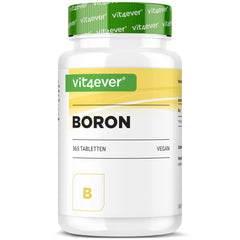
Jodium 400 mcg | 365 Tabletten | Vit4ever - verpakking voorkant
Jodium 400 mcg | 365 Tabletten | Vit4ever - voordelen en kenmerken
Jodium 400 mcg | 365 Tabletten | Vit4ever - voordelen en kenmerken (2)
Jodium 400 mcg | 365 Tabletten | Vit4ever - voordelen en kenmerken (3)
Jodium 400 mcg | 365 Tabletten | Vit4ever - etiket met ingrediënten en voedingswaarden
Jodium 400 mcg | 365 Tabletten | Vit4ever - etiket met ingrediënten en voedingswaarden (2)
Jodium 400 mcg | 365 Tabletten | Vit4ever - merk Vit4ever
Jodium 400 mcg | 365 Tabletten | Vit4ever - sfeerbeeld

Vit4ever

Iodine 400 mcg | 365 Tablets | Vit4ever

Actieprijs€15,90
€217,81  / kg

In stock. Order today, delivered Monday by PostNL.

Volume discount

Not valid with discount codes.

iDEAL Wero Bancontact Klarna Visa Mastercard PayPal

Vragen? We helpen je graag!

Chat met ons of bel 038 303 2160

Snel bezorgd

Besteld voor 17:00, morgen in huis*

Achteraf betalen

met Klarna

Specificaties

Merk Vit4ever
Categorie Minerals
Artikelcode vit4-382
Barcode 4260601198506
Houdbaar tot Op aanvraag
Batchnummer Op aanvraag
Inhoud 365 tablets
Aantal doseringen 365

Iodine 400 mcg by Vit4ever

Of all the minerals monitored in the Dutch diet, one has been on the government's radar for decades: iodine. Yet intake has been falling again in recent years, especially among people who eat less bread or consciously cook plant-based. With this tablet, Vit4ever provides 400 mcg of iodine from potassium iodide, one tablet per day, 365 pieces in a jar. Intended for adults who want to specifically supplement their iodine intake.

What iodine does in your body

Iodine is a trace element, a mineral of which your body only needs a small amount, but you cannot live without. Your thyroid uses iodine to produce the hormones T3 and T4. Iodine contributes to the normal production of thyroid hormones and to the normal function of the thyroid. Your body cannot produce iodine itself or store it for a long time, so you are dependent on a daily supply through food or a supplement. In addition, iodine contributes to normal cognitive function, to the normal function of the nervous system, to a normal energy-providing metabolism and to the maintenance of normal skin.

Why the Netherlands has been adding iodine to salt for decades

Dutch soil naturally contains little iodine, a result of the last ice age which washed the mineral largely out of the soil. Therefore, the government decided in the last century to add potassium iodide to baker's salt, the salt that is processed in bread. For decades, bread was therefore the most important source of iodine for the average Dutchman. Now that people eat less bread, bake gluten-free more often or make bread themselves without baker's salt, that familiar source is partly falling away. Fish, crustaceans and shellfish also provide iodine, but those who eat little of these products, for example with a strict plant-based diet, get their iodine from fewer sources.

Potassium iodide versus kelp, a comparison

The iodine in these tablets comes from potassium iodide, the same compound that is also added to iodized baker's salt. The advantage of this source: the amount of iodine per tablet is chemically fixed, so you know exactly what you are getting with each dose. With kelp or other seaweed, a popular alternative in some supplements, the iodine content varies greatly per harvest and per batch. Depending on where and when the seaweed was harvested, the iodine concentration can differ enormously between batches, making the actual amount per serving difficult to predict.

400 mcg, how does that compare to your daily requirement

The reference intake for iodine in adults is 150 mcg per day. This tablet provides 400 mcg, so well above that reference value. Take the tablet daily with enough water, preferably with a meal. With one tablet per day, a jar of 365 pieces is exactly a year's supply, so you do not need to reorder halfway through the year. The composition remains short: potassium iodide as an iodine source, microcrystalline cellulose and acacia fiber as a filler and stearic acid as an anti-caking agent. No artificial colors or flavors, no preservatives, and the tablets are kept small so that they are easy to swallow. This way, you know exactly what you are getting with each tablet, in a completely plant-based form that fits a vegetarian or vegan diet.

In short: Vit4ever provides iodine from potassium iodide in a fixed, predictable dosage, with 365 tablets good for a year. A targeted choice for those who want to consciously supplement their own iodine intake.


Why Iodine 400 mcg by Vit4ever?

Iodine from Potassium Iodide

The iodine comes from potassium iodide, the same form that is added to iodized baker's salt. The amount per tablet is fixed, unlike with kelp where the iodine content varies per harvest.

400 mcg iodine per tablet

Each tablet provides 400 mcg of iodine from potassium iodide. The reference intake is 150 mcg per day.

365 small tablets, a year's supply

With one tablet a day, one pot lasts a full year. The tablets have been deliberately kept small so that they are easy to swallow.

Vegan and short ingredient list

Potassium iodide, microcrystalline cellulose, acacia fiber and stearic acid. No artificial colors or flavors and no preservatives. Suitable for a vegan diet.

Samenstelling

* Percentage van de referentie inname volgens Verordening (EU) Nr. 1169/2011.

** Reference intake unknown.

Ingredients:
Bulking agents: microcrystalline cellulose, acacia fiber, potassium iodide, anti-caking agent: stearic acid.
Recommended use:
Take 1 tablet daily with sufficient water, preferably with a meal. Do not exceed the recommended dosage.
Storage advice:
Store in a dry, dark place at room temperature, out of reach of young children.
Safety:
Adults only. Not for use by children. Do not exceed the recommended daily dose. For adults, keep total iodine intake from food and supplements under 600 mcg per day. If you have a thyroid condition, are taking thyroid medication, are pregnant or breastfeeding, consult a doctor first, as excessive iodine intake can interfere with thyroid function. Food supplements are not a substitute for a varied, balanced diet and a healthy lifestyle.

Health claims

  • Iodine: Iodine contributes to the normal production of thyroid hormones and to normal thyroid function
  • Iodine: Iodine contributes to normal cognitive function
  • Iodine: Iodine contributes to the normal functioning of the nervous system
  • Iodine: Iodine contributes to normal energy-yielding metabolism
  • Iodine: Iodine contributes to the maintenance of normal skin

Do you have any questions?

Response within one working day

Our customer service is open on weekdays from 09:00 to 17:00.

  • 💬 Chat
  • 📧 customerservice@luto-supplements.nl
  • 📞 038 - 303 2160
Contactpersoon

Frequently Asked Questions

What does iodine contribute to?

Iodine contributes to the normal production of thyroid hormones and the normal function of the thyroid gland. In addition, iodine contributes to normal cognitive function, the function of the nervous system, a normal energy-yielding metabolism and the maintenance of normal skin.

How much iodine do I need per day?

The reference intake for adults is 150 mcg per day. This tablet provides 400 mcg, so well above that. Keep in mind that you also get iodine from foods such as bread, fish, and dairy.

Is 400 mcg not too much iodine?

For healthy adults, the safe upper limit from food and supplements combined is 600 mcg per day. At 400 mcg from this tablet, you are below that, but also consider your daily diet. Do you have a thyroid condition or are you taking thyroid medication? If so, please consult your doctor first, as high iodine intake can affect the thyroid.

Which foods contain iodine?

In the Netherlands, iodine is mainly found in bread made with iodized salt. It is also found in oily fish, crustaceans and shellfish, eggs, dairy products and seaweed.

What exactly is potassium iodide?

Potassium iodide is a salt of iodine and potassium. It is the form that is also added to iodized salt. In this supplement, it is the source of the 400 mcg of iodine per tablet.

Potassium iodide or kelp, what's the difference?

Both provide iodine, but the source differs. Kelp is seaweed with naturally occurring iodine, where the content varies greatly per harvest. Potassium iodide is a solid compound with a precise dosage per tablet. If you want to know exactly how much iodine you are consuming, then potassium iodide is clearer.