































What is lecithin?
Lecithin is a mixture of phospholipids, fatty substances that bind to both water and fat. They make up a large part of the membranes around your cells. You find lecithin naturally in egg yolk, soy, and sunflower seeds.
Bestsellers
Bekijk allesWinkelwagen
Je winkelwagen is leeg
In stock. Order today, delivered Monday by PostNL.
Not valid with discount codes.
Vragen? We helpen je graag!
Chat met ons of bel 038 303 2160
Snel bezorgd
Besteld voor 17:00, morgen in huis*
Achteraf betalen
met Klarna
Kies opties
Not valid with discount codes.
Vragen? We helpen je graag!
Chat met ons of bel 038 303 2160
Snel bezorgd
Besteld voor 17:00, morgen in huis*
Achteraf betalen
met Klarna
Not valid with discount codes.
Vragen? We helpen je graag!
Chat met ons of bel 038 303 2160
Snel bezorgd
Besteld voor 17:00, morgen in huis*
Achteraf betalen
met Klarna
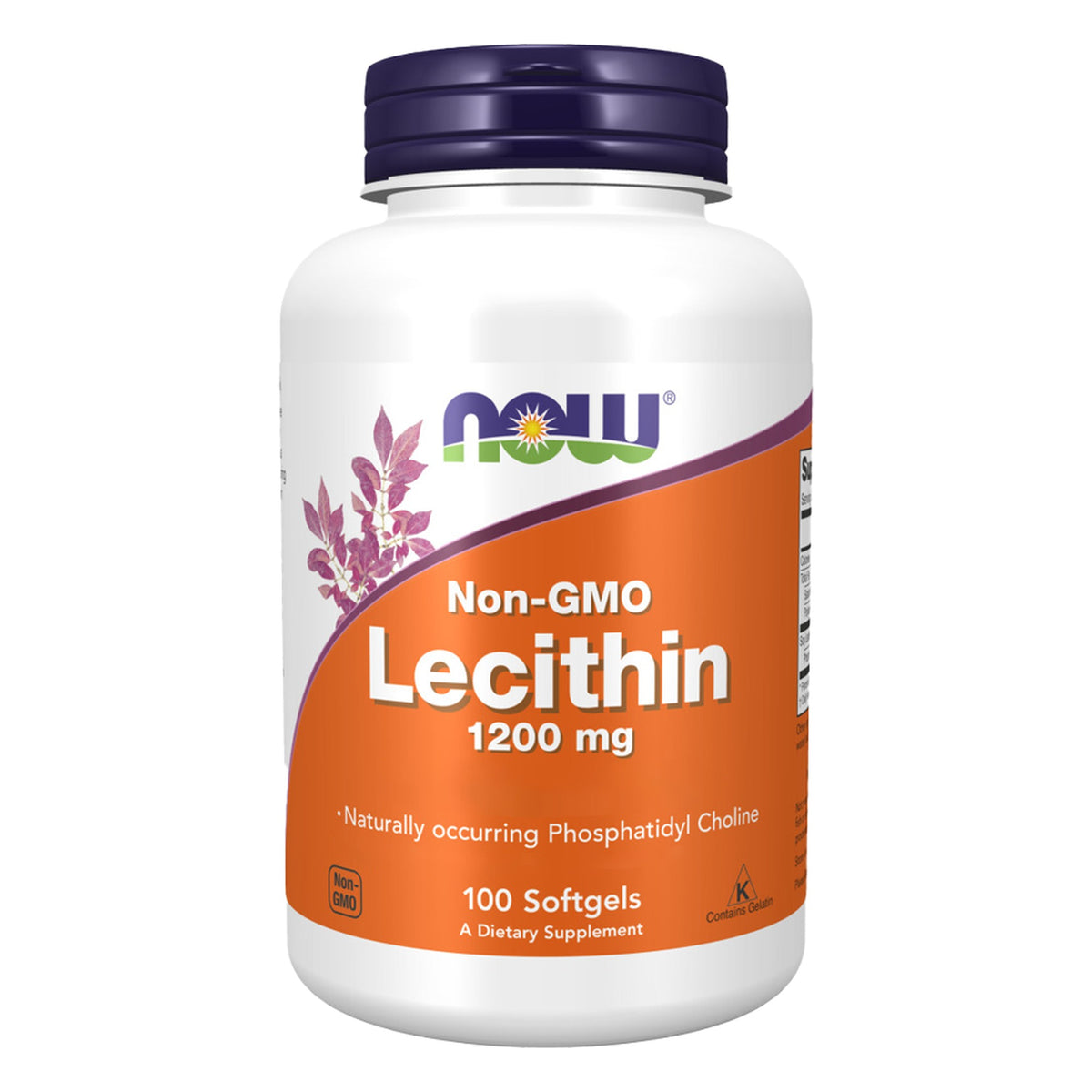
You may know lecithin as an ingredient on the back of a chocolate bar. These softgels focus on the substance itself. Each softgel contains 1200mg of lecithin from non-genetically modified soy. With 3 softgels per day, you get 3.6 grams, of which 500mg is phosphatidylcholine. A simple way to use lecithin without measuring out granules.
Lecithin is not a single substance, but a mixture of fatty molecules: phospholipids. They have a special structure. One end loves water, the other fat. Because of this, phospholipids can connect water and fat together. Precisely for this reason, the food industry uses lecithin as an emulsifier, a substance that prevents oil and water from separating. Think of mayonnaise, chocolate, and margarine. In your body, the same molecules do something similar. Every cell is surrounded by a membrane that consists largely of a double layer of phospholipids. Your body produces some of those phospholipids itself, among other places in your liver, and gets the rest from food. By the way, the name comes from the Greek lekithos, which means egg yolk. In the middle of the nineteenth century, the French chemist Théodore Gobley discovered the substance in egg yolk for the first time.
The most important phospholipids in lecithin are phosphatidylcholine, phosphatidylethanolamine, and phosphatidylinositol. Of those three, phosphatidylcholine gets the most attention. It is the most common phospholipid in the membranes of your cells. Phosphatidylcholine also contains choline. Per daily dose of 3 softgels, this product delivers 500mg of phosphatidylcholine. Choline makes up about one-seventh of that, so the amount of pure choline remains modest. Good to know if you are specifically paying attention to choline. In your daily diet, you will find phosphatidylcholine mainly in eggs, liver, soy, and wheat germ. One large egg easily provides about 140mg of choline, largely in this form.
You can also buy lecithin as granules to stir through your yogurt or smoothie. That works, but the taste is not for everyone, and you have to measure it out every day. The softgels from Now solve that. The liquid soy lecithin is in a soft shell of beef gelatin, with a little soy oil as a carrier. You swallow 3 softgels per day and know exactly what you are getting. Many people wonder if soy lecithin comes from genetically modified soy, because that is often the case with soy. Not with this product. Now uses exclusively non-genetically modified soy for both the lecithin and the oil. Because the shell is made of gelatin, these softgels are not suitable for vegetarians.
Most lecithin in stores comes from soy or sunflower, and a small part from egg yolk. The difference lies mainly in the source and the ratio between the phospholipids. Soy lecithin is the classic: well-researched, widely available, and rich in phosphatidylcholine. Sunflower lecithin is an alternative for people who want to avoid soy. The composition of both looks very similar. By the way, soy lecithin is created during the refining of crude soy oil. During that step, the lecithin separates as a thick, golden-brown mass, which is then further refined.
Lecithin is a substance you already encounter every day, in your food and in your own cells. These softgels give you a measured amount of lecithin from non-GMO soy, in a form you use without measuring or stirring.
With 3 softgels per day, you get 3600mg of lecithin, of which 500mg is phosphatidylcholine.
Now, only non-GMO soy is used for both the lecithin and the soybean oil.
The liquid lecithin is in a soft softgel. You swallow it with water, without the taste of lecithin granules.
100 softgels at 3 per day is a 33-day supply. Convenient if you work with a fixed monthly routine.
* Percentage van de referentie inname volgens Verordening (EU) Nr. 1169/2011.
** Reference intake unknown.
Response within one working day
Our customer service is open on weekdays from 09:00 to 17:00.

Lecithin is a mixture of phospholipids, fatty substances that bind to both water and fat. They make up a large part of the membranes around your cells. You find lecithin naturally in egg yolk, soy, and sunflower seeds.
In the food industry, it is mainly used as an emulsifier, for example in chocolate and margarine. People take it as a supplement for its phospholipids, with phosphatidylcholine being the most important. These softgels provide 500 mg of this per daily dose.
No, these softgels contain soy lecithin and soybean oil. If you are allergic to soy, do not use this product. Sunflower lecithin would be a better alternative.
Because the daily dose is 3.6 grams of lecithin and 1200mg fits in one softgel. An even larger softgel would be difficult to swallow. You can easily spread the 3 softgels throughout the day.
Each 3 softgels provide 500mg of phosphatidylcholine. Choline makes up about 13 to 15 percent of that molecule, so you get about 65 to 75mg of choline. If you are mainly looking for choline, there are products with a higher dose.
The composition of phospholipids is very similar. The biggest difference is the source: sunflower lecithin is soy-free, while soy lecithin is the classic and most studied form. These Now softgels use non-GMO soy.