

































What is lutein?
Lutein is a yellow plant pigment from the carotenoid family. You can find it in kale, spinach, broccoli, and egg yolk. Your body cannot make it itself, nor does it convert it into vitamin A.
Bestsellers
Bekijk allesWinkelwagen
Je winkelwagen is leeg
Out of stock.
Not valid with discount codes.
Vragen? We helpen je graag!
Chat met ons of bel 038 303 2160
Snel bezorgd
Besteld voor 17:00, morgen in huis*
Achteraf betalen
met Klarna
Kies opties
Not valid with discount codes.
Vragen? We helpen je graag!
Chat met ons of bel 038 303 2160
Snel bezorgd
Besteld voor 17:00, morgen in huis*
Achteraf betalen
met Klarna
Not valid with discount codes.
Vragen? We helpen je graag!
Chat met ons of bel 038 303 2160
Snel bezorgd
Besteld voor 17:00, morgen in huis*
Achteraf betalen
met Klarna
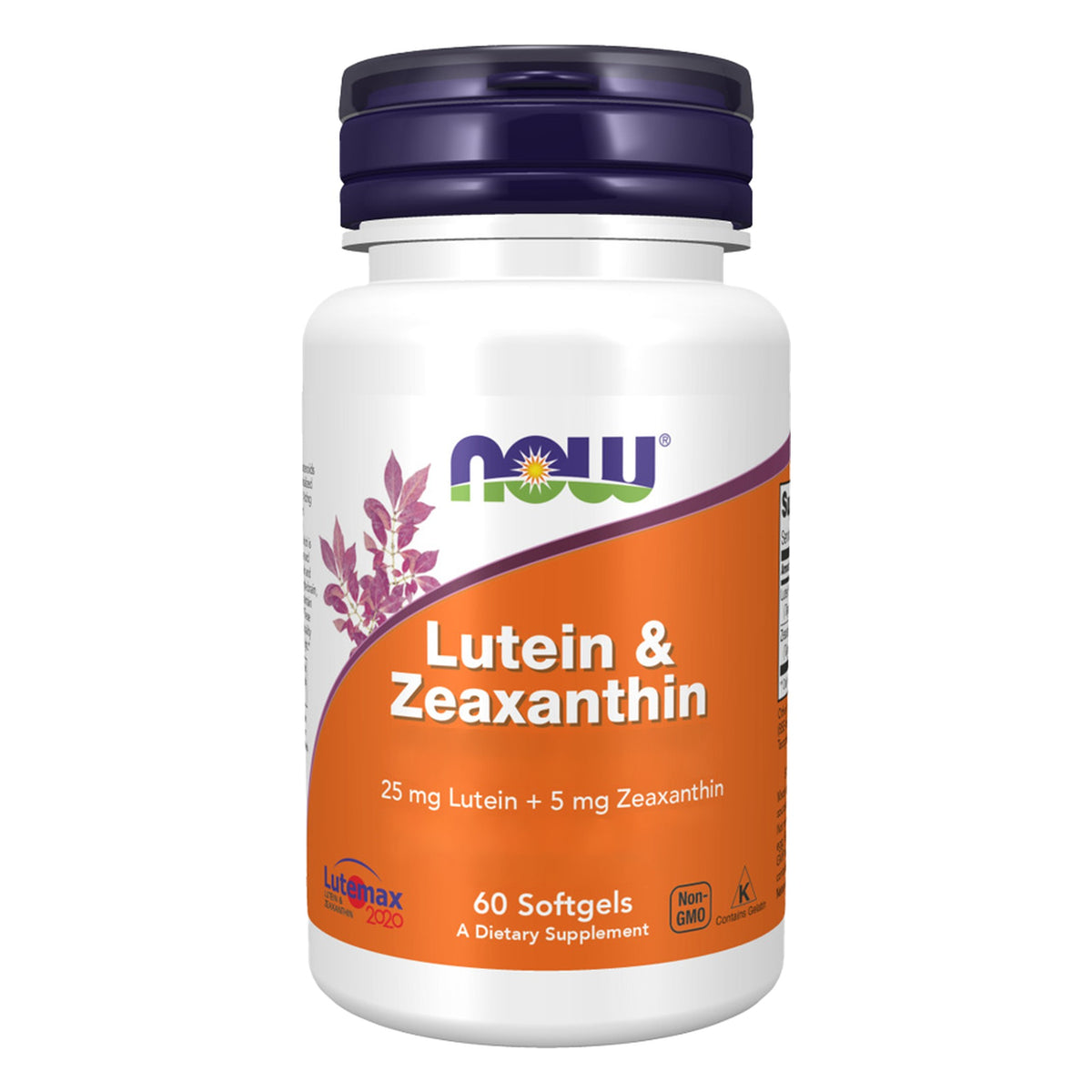
This softgel combines 25mg of lutein with 5mg of zeaxanthin, two yellow plant pigments that you can also find in spinach, kale, and egg yolk. Now uses Lutemax 2020 for this, an extract from the flowers of the marigold.
Lutein and zeaxanthin belong to the carotenoids, the family of pigments that makes carrots orange and corn yellow. They are so-called xanthophylls: carotenoids with oxygen in their molecule. Unlike beta-carotene, your body does not convert them into vitamin A. So they remain as they are. Your body cannot make these substances itself; you get them from your diet. What many people do not know: egg yolk also owes part of its yellow color to lutein and zeaxanthin from the chicken feed. Poultry farmers even sometimes add marigold extract to the feed for a deeper color.
Lutemax 2020 is a patented extract from Tagetes erecta, better known in the Netherlands as the marigold. The petals of that plant are one of the richest natural sources of lutein. To make the extract, the manufacturer dries the orange petals, after which they extract and purify the pigments. The difference with many other extracts lies in the zeaxanthin. In addition to lutein, Lutemax 2020 provides two forms of zeaxanthin: RR-zeaxanthin and RS-zeaxanthin, better known as meso-zeaxanthin. Now doses slightly higher per softgel than the usual 20mg: you get 25mg of lutein and 5mg of zeaxanthin, in a ratio of 5 to 1. For comparison: through an average Western diet, you get an estimated 1 to 2mg of lutein per day.
Lutein and zeaxanthin dissolve in fat, not in water. Your intestines therefore only absorb them well when there is fat around. That is also the reason why Now dissolves them in sunflower oil, and why the label advises taking the softgel with a fatty meal. Think of a lunch with avocado, cheese, or a splash of olive oil, or a dinner with fish. The time of day does not matter much, just choose the meal with the most fat. For comparison: 25mg of lutein is in about 200 grams of raw spinach.
The composition is straightforward. In addition to the flower extract, the softgel contains sunflower oil as a carrier and mixed tocopherols: substances from the vitamin E family that protect the sensitive pigments here from oxidation. Those tocopherols come from soybean oil. The shell consists of beef gelatin, glycerol, and water, so these softgels are not vegetarian. Because it is a natural extract, the color of the softgels may vary slightly per batch. That is normal and says nothing about the quality.
In short: the same two pigments that you find in leafy greens, in a measured amount and already dissolved in oil. A straightforward softgel for those who are consciously dealing with carotenoids.
25mg lutein and 5mg zeaxanthin, in a fixed ratio of 5 to 1.
A patented extract from Tagetes erecta that provides both RR- and meso-zeaxanthin in addition to lutein.
The pigments are fat-soluble. That is why they are dissolved in oil in this softgel. Take the softgel with a meal containing fat.
With 60 softgels and a dosage of 1 per day, one bottle lasts exactly 2 months.
* Percentage van de referentie inname volgens Verordening (EU) Nr. 1169/2011.
** Reference intake unknown.
Response within one working day
Our customer service is open on weekdays from 09:00 to 17:00.

Lutein is a yellow plant pigment from the carotenoid family. You can find it in kale, spinach, broccoli, and egg yolk. Your body cannot make it itself, nor does it convert it into vitamin A.
Especially dark green leafy vegetables such as kale and spinach. Zeaxanthin is also found in corn, orange peppers and saffron. Egg yolk contains smaller amounts.
There is no official recommended amount for lutein. EFSA uses an acceptable daily intake of 1mg per kilo of body weight. This softgel provides 25mg, so do not take more than 1 per day.
Yes, both. The shell is made of beef gelatin and the mixed tocopherols come from non-GMO soy oil. The product may also contain traces of gluten, milk, egg, fish and sesame.
Because they occur together in nature, for example in marigolds and leafy greens. Lutemax 2020 provides both, in a ratio of 5 to 1.
Both are lutein extracts from marigolds. FloraGLO mainly provides lutein with a small amount of zeaxanthin. Lutemax 2020 contains a higher proportion of zeaxanthin, including meso-zeaxanthin.