





































What is shilajit?
Shilajit, in Latin Asphaltum, is a natural, sticky substance that seeps from rock crevices in mountain ranges. It naturally contains trace minerals and fulvic acid and has long been used in Ayurvedic tradition.
Bestsellers
Bekijk allesWinkelwagen
Je winkelwagen is leeg
In stock. Order today, delivered Monday by PostNL.
Not valid with discount codes.
Vragen? We helpen je graag!
Chat met ons of bel 038 303 2160
Snel bezorgd
Besteld voor 17:00, morgen in huis*
Achteraf betalen
met Klarna
Kies opties
Not valid with discount codes.
Vragen? We helpen je graag!
Chat met ons of bel 038 303 2160
Snel bezorgd
Besteld voor 17:00, morgen in huis*
Achteraf betalen
met Klarna
Not valid with discount codes.
Vragen? We helpen je graag!
Chat met ons of bel 038 303 2160
Snel bezorgd
Besteld voor 17:00, morgen in huis*
Achteraf betalen
met Klarna
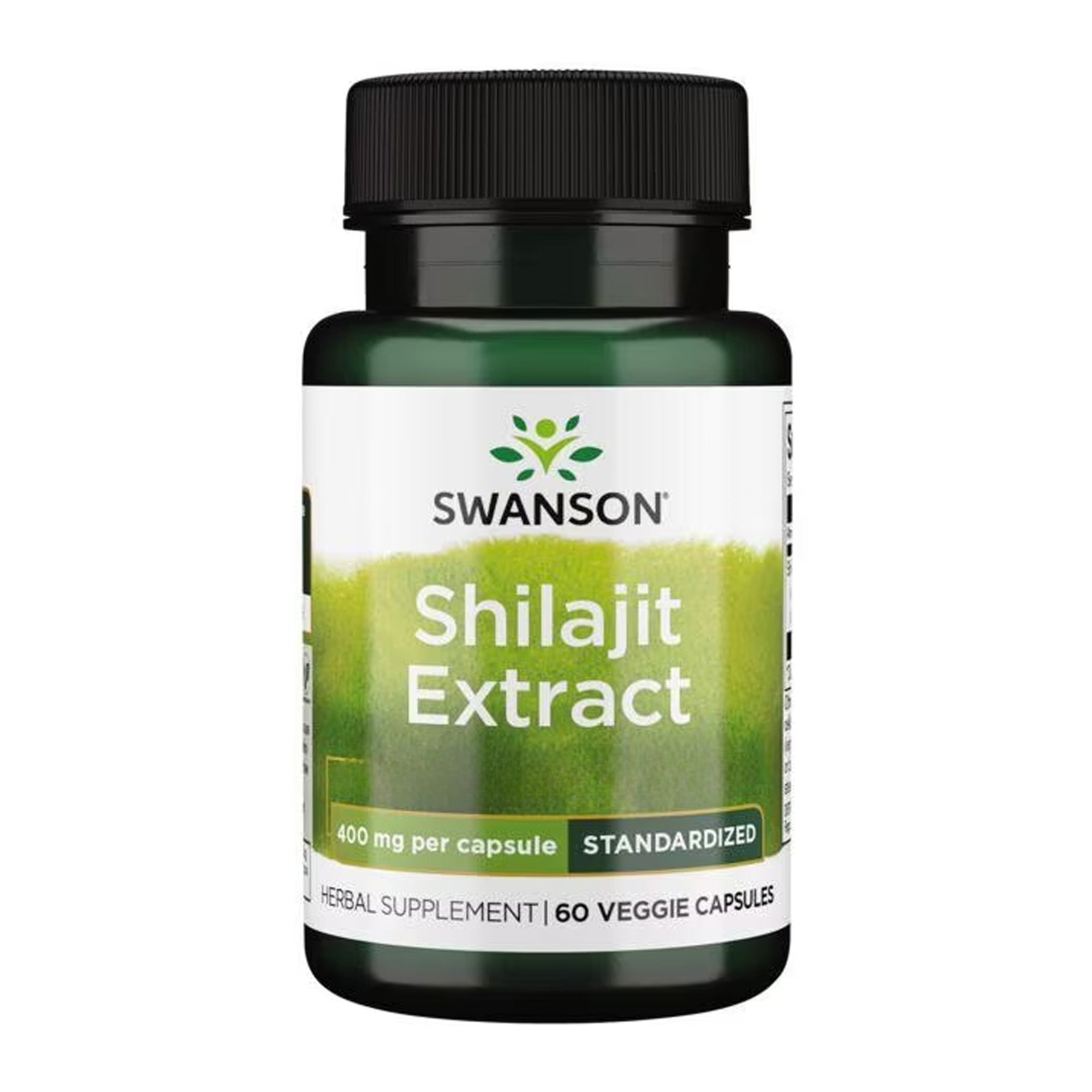
A special substance is formed high in the mountains. Shilajit is a dark, sticky substance that seeps from rock crevices, also known as mineral pitch. Shilajit has long been used in the Ayurvedic tradition. Swanson offers a purified extract with 400 mg per plant-based capsule, standardized to 5% fulvic acid. For those seeking this classic substance in a measured, clean form.
Shilajit, called Asphaltum in Latin, is neither a plant nor an animal. It is a natural deposit that forms over a very long period in mountain ranges such as the Himalayas. The substance naturally contains trace minerals and fulvic acid. In the summer, shilajit becomes soft and seeps from the rocks, after which it is collected by hand. The raw material is then purified before it ends up in a supplement. Swanson uses the classic Ayurvedic herbal combination Triphala for this purification.
Fulvic acid is one of the characteristic components of shilajit. This extract is standardized to 5% fulvic acid, which means that every batch is adjusted to that level. This way, you know exactly how much you are taking, batch after batch. Standardization is a way to keep a natural product consistent, while the composition of raw material can vary greatly. Each capsule provides 400 mg of this purified, standardized extract.
The capsule is made of hypromellose, a plant-based material, making this product suitable for vegans and vegetarians. Inside the capsule is the purified shilajit extract with a few standard excipients, nothing more. A clean, simple composition around an ancient substance.
In summary, this is shilajit in a measured form: 400 mg of purified extract per capsule, standardized to 5% fulvic acid and purified with Triphala. One bottle contains sixty plant-based capsules.
Each capsule provides 400 mg of purified extract, standardised to 5% fulvic acid.
The raw shilajit is purified with the classic Ayurvedic herbal combination Triphala (Amla, Harada, and Baharda).
The capsule is made from hypromellose and contains no animal products, making it suitable for vegans.
Through standardization, you know exactly how much fulvic acid you're getting per capsule, batch after batch.
* Percentage van de referentie inname volgens Verordening (EU) Nr. 1169/2011.
** Reference intake unknown.
Response within one working day
Our customer service is open on weekdays from 09:00 to 17:00.

Shilajit, in Latin Asphaltum, is a natural, sticky substance that seeps from rock crevices in mountain ranges. It naturally contains trace minerals and fulvic acid and has long been used in Ayurvedic tradition.
Yes. The capsule is made of vegetable hypromellose and contains no animal substances. The product is therefore suitable for vegans and vegetarians.
One capsule per day with water. A jar contains sixty capsules, enough for approximately two months.
Fulvic acid is one of the characteristic constituents of shilajit. This extract is standardized to 5% fulvic acid, so that the content per capsule is always the same.
Triphala is a classic Ayurvedic combination of three fruits: Amla, Harada and Baharda. Swanson uses this combination to purify the raw shilajit before it goes into the capsule.
Shilajit forms over a very long time in mountain ranges such as the Himalayas. In summer, the material softens and seeps out of the rocks, after which it is collected and purified.