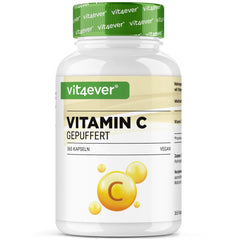
Vitamine C 1000mg | 300 Capsules | German Elite Nutrition - verpakking voorkant
Vitamine C 1000mg | 300 Capsules | German Elite Nutrition - voordelen en kenmerken
Vitamine C 1000mg | 300 Capsules | German Elite Nutrition - voordelen en kenmerken (2)
Vitamine C 1000mg | 300 Capsules | German Elite Nutrition - voordelen en kenmerken (3)
Vitamine C 1000mg | 300 Capsules | German Elite Nutrition - voordelen en kenmerken (4)
Vitamine C 1000mg | 300 Capsules | German Elite Nutrition - voordelen en kenmerken (5)
Vitamine C 1000mg | 300 Capsules | German Elite Nutrition - etiket met ingrediënten en voedingswaarden
Vitamine C 1000mg | 300 Capsules | German Elite Nutrition - etiket met ingrediënten en voedingswaarden (2)
Vitamine C 1000mg | 300 Capsules | German Elite Nutrition - merk GEN
Vitamine C 1000mg | 300 Capsules | German Elite Nutrition - voordelen en kenmerken (6)

German Elite Nutrition

Vitamin C 1000mg | 300 Capsules | German Elite Nutrition

Actieprijs€23,90

In stock. Order today, delivered Monday by PostNL.

Volume discount

Not valid with discount codes.

iDEAL Wero Bancontact Klarna Visa Mastercard PayPal

Vragen? We helpen je graag!

Chat met ons of bel 038 303 2160

Snel bezorgd

Besteld voor 17:00, morgen in huis*

Achteraf betalen

met Klarna

Specificaties

Categorie Vitamins
Artikelcode gen-170
Barcode 4260601190029
Houdbaar tot Op aanvraag
Batchnummer Op aanvraag
Inhoud 300 capsules
Aantal doseringen 300

Vitamin C 1000mg by German Elite Nutrition

A bottle of 300 capsules, each containing 1000mg of vitamin C in the form of L-ascorbic acid. You take one a day, so one bottle lasts almost ten months. The capsule contains exactly two things: the vitamin itself and a plant-based shell. Nothing else.

What vitamin C does in your body

Humans lack the enzyme that most mammals have to produce vitamin C themselves. Therefore, you need to get it from your diet. In your cells, the substance does two things at once. It keeps the iron or copper atom in a group of enzymes in the correct state, including the enzymes that convert proline and lysine, thus strengthening the spiral structure of collagen. In addition, vitamin C donates electrons to free radicals. Vitamin C contributes to the protection of cells against oxidative stress. Furthermore, vitamin C contributes to the regeneration of the reduced form of vitamin E, because it brings vitamin E in your cell membranes back into an active form from the aqueous side.

Isn't 1000mg far too much?

Honest answer: it is above the point at which your absorption saturates. Up to about 200 milligrams at a time, you absorb almost everything. Above that, the percentage drops, and with one gram, less than half is absorbed. The rest simply leaves your body again. So you shouldn't think that ten times as much also yields ten times as much. The safe upper limit is 2000 milligrams per day, so with one capsule you are well below that. Many people wonder how much vitamin C they actually need: the Dutch recommended amount is 75 milligrams, the reference intake on labels 80 milligrams.

L-ascorbic acid or a buffered form

L-ascorbic acid is the pure basic form, the same substance found in bell peppers and citrus fruits. Your body makes no distinction between ascorbic acid from a kiwi and from a capsule. It is acidic, with a pH of around 2.5. Some people notice this on an empty stomach as a burning sensation. Therefore, take the capsule with or just after a meal. If you have a sensitive stomach or suffer from reflux, a buffered form such as calcium ascorbate is more pleasant, although it does not work any better. The difference between the forms lies in tolerability and price, not in what your body can do with it.

Why a capsule and not a tablet

A tablet must be pressed and therefore requires binders, anti-caking agents, and often a coating. A capsule does not. This one contains L-ascorbic acid in a shell of hydroxypropyl methylcellulose, a plant-based substance, making the entire capsule vegan. If you have difficulty swallowing capsules, you can open it and stir the powder into water or yogurt. With vitamin C 1000mg in tablet form, that is not always possible.

A bottle of 300 pieces at one capsule a day comes down to a few cents a day. Store it in a dry, dark place and keep the lid tightly closed, then the powder will remain stable until the expiration date.


Why Vitamin C 1000mg from German Elite Nutrition?

Two ingredients, nothing else

L-ascorbic acid and a plant-based capsule shell. No magnesium stearate, no binding agent, no coating and no coloring. That is more difficult with a compressed tablet, because it requires excipients.

1 capsule per day for the full 1000mg

Many buffered and time-release products require two or three capsules per daily dose. This contains the full 1000 milligrams, 1250 percent of the reference intake, in a single capsule.

300 capsules is almost ten months

At one capsule per day, a bottle of 300 lasts 300 days. So you only need to order once a year instead of three or four times.

Plant-based HPMC capsule shell

The capsule shell is made of hydroxypropyl methylcellulose instead of gelatin, making the product vegan. You can also open the capsule if swallowing it whole is difficult.

Samenstelling

* Percentage van de referentie inname volgens Verordening (EU) Nr. 1169/2011.

** Reference intake unknown.

Ingredients:
L-ascorbic acid, coating agent: hydroxypropyl methylcellulose (plant-based).
Recommended use:
Take 1 capsule daily with sufficient water, preferably with or shortly after a meal. Do not exceed the recommended daily dose.
Storage instructions:
Store in a dry, dark place at a temperature below 25 degrees Celsius with the lid tightly closed. Do not store in the bathroom. Keep out of reach of young children.
Safety:
Do not exceed the recommended daily dose and be aware of cumulative intake with other supplements containing vitamin C. Consult your doctor if you have a history of kidney stones or kidney problems, iron overload conditions such as haemochromatosis, are taking blood thinners, are undergoing chemotherapy or radiotherapy, or are pregnant or breastfeeding. High doses of vitamin C can interfere with the results of blood glucose monitors and faecal occult blood tests. A dietary supplement is not a substitute for a varied diet and sufficient exercise. Keep out of reach of young children.

Health claims

  • Vitamin C: Vitamin C contributes to normal collagen formation for the normal function of the blood vessels
  • Vitamin C: Vitamin C contributes to normal collagen formation for the normal function of the bones
  • Vitamin C: Vitamin C contributes to normal collagen formation for the normal function of the cartilage
  • Vitamin C: Vitamin C contributes to normal energy-yielding metabolism
  • Vitamin C: Vitamin C contributes to normal collagen formation for the normal function of the skin
  • Vitamin C: Vitamin C increases iron absorption
  • Vitamin C: Vitamin C contributes to the maintenance of normal immune function during and after strenuous physical activity. The beneficial effect is obtained with a daily intake of 200 mg of vitamin C in addition to the recommended daily intake
  • Vitamin C: Vitamin C contributes to the normal function of the immune system
  • Vitamin C: Vitamin C contributes to normal collagen formation for the normal function of the teeth
  • Vitamin C: Vitamin C contributes to normal collagen formation for the normal function of the gums
  • Vitamin C: Vitamin C contributes to the protection of cells from oxidative stress
  • Vitamin C: Vitamin C contributes to normal psychological function
  • Vitamin C: Vitamin C contributes to the regeneration of the reduced form of vitamin E
  • Vitamin C: Vitamin C contributes to the reduction of tiredness and fatigue
  • Vitamin C: Vitamin C contributes to the normal function of the nervous system

Do you have any questions?

Response within one working day

Our customer service is open on weekdays from 09:00 to 17:00.

  • 💬 Chat
  • 📧 customerservice@luto-supplements.nl
  • 📞 038 - 303 2160
Contactpersoon

Frequently Asked Questions

How much vitamin C can you take per day and is 1000mg too much?

The safe upper limit is 2000 milligrams per day, so with a 1000-milligram capsule you are well below that. It is good to know: above approximately 200 milligrams at a time, your body absorbs a smaller and smaller portion. Also pay attention to accumulation with a multivitamin or effervescent tablets.

What is the difference between ascorbic acid and buffered vitamin C?

Ascorbic acid is the pure, acidic form with the highest content per gram. Buffered forms such as calcium or sodium ascorbate are pH-neutral and therefore gentler on a sensitive stomach, but they do come with calcium or sodium and are more expensive per milligram of vitamin C. Your body absorbs both equally well.

When is the best time to take the capsule?

With or just after a meal, not on an empty stomach. Ascorbic acid has a pH of around 2.5, which can feel burning to some people. If you take it with a plant-based meal, there is another reason: vitamin C increases the absorption of iron from that meal.

Does a bottle of 300 capsules stay good?

Yes, provided you store it in a dry, dark place and keep it closed. Ascorbic acid in a dry capsule is stable until the expiration date on the bottle. Slight discoloration of the powder is superficial oxidation and says nothing about the rest of the contents. Do not store the bottle in the bathroom, as it is damp there.

Can vitamin C cause kidney stones?

Some of the ascorbic acid is converted into oxalate in your body, and oxalate is a building block of the most common kidney stones. In a large Swedish study among men, the use of about 1000 milligrams per day was associated with a higher risk. If you have had kidney stones or kidney problems before, consult your doctor first. For everyone: drink enough.

Is this better than Ester-C or liposomal vitamin C?

Not better, just different. Ester-C is calcium ascorbate with some metabolites added; independent research has shown little evidence of its added benefits over plain calcium ascorbate. Liposomal vitamin C does produce higher peak levels in the blood at the same dose, but costs three to eight times as much per gram. L-ascorbic acid is the sensible choice if you are looking at the price per milligram.