Vitamine D3 50mcg + K2 100mcg | 90 Softgels | OstroVit

OstroVit

Vitamin D3 50mcg + K2 100mcg | 90 Softgels | OstroVit

Actieprijs€11,90

In stock. Order today, delivered Monday by PostNL.

Volume discount

Not valid with discount codes.

iDEAL Wero Bancontact Klarna Visa Mastercard PayPal

Vragen? We helpen je graag!

Chat met ons of bel 038 303 2160

Snel bezorgd

Besteld voor 17:00, morgen in huis*

Achteraf betalen

met Klarna

Specificaties

Merk OstroVit
Categorie Vitamins
Artikelcode OstroVit-025
Barcode 5903246221688
Houdbaar tot Op aanvraag
Batchnummer Op aanvraag
Inhoud 90 softgels
Aantal doseringen 90

Vitamin D3 + K2 from OstroVit

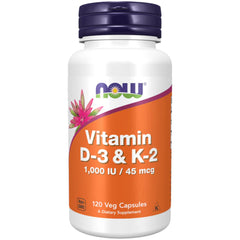
Two fat-soluble vitamins that are often mentioned together, in one softgel. This vitamin D3 and K2 from OstroVit contains 50mcg of vitamin D3 (that is 2000 IU) and 100mcg of vitamin K2 in the form of MK-7 per softgel. You take one per day. The softgel is filled with olive oil, and with 90 pieces in the bottle you have a three-month supply.

Why D3 and K2 go together so often

Many people wonder why these two vitamins are seen together so often nowadays. The answer lies in calcium. Vitamin D contributes to the normal absorption/normal use of calcium and phosphorus. It therefore ensures that calcium from your diet enters your blood, and vitamin D contributes to normal calcium levels in the blood. Vitamin K2 works further on in that process. It activates certain proteins (such as osteocalcin, a protein in your bone tissue) that can bind calcium. Both substances thus play their own role in your bones: vitamin D contributes to the maintenance of normal bones, and vitamin K contributes to the maintenance of normal bones. In short: one vitamin is about absorption, the other about the follow-up. That is why many manufacturers choose to combine vitamin D3 and K2 in one product.

50mcg D3 and 100mcg MK-7, what do those numbers mean

Vitamin D is expressed in two ways: in micrograms (mcg) or in international units (IU). 50mcg is the same as 2000 IU. On the label you see 1000% of the reference intake. That reference intake of 5mcg is the EU reference value for labeling. The European Food Safety Authority (EFSA) sets a safe upper limit of 100mcg per day from all sources combined for adults. With one softgel you stay well below that. In the Netherlands you get little vitamin D from the sun from October to March, and those who stay indoors a lot or have dark skin also make less of it themselves. A strength of 2000 IU is one of the best-selling dosages in Dutch webshops. The 100mcg vitamin K2 is equal to 133% of the reference intake. Vitamin K also contributes to normal blood clotting, and that is exactly why people who use blood thinners need to pay extra attention (more about that in the safety information).

Cholecalciferol and MK-7 from natto in olive oil

OstroVit uses cholecalciferol, which is vitamin D3. It is the same form that your skin produces itself under the influence of sunlight. There is also vitamin D2 (ergocalciferol, from plants and mushrooms), but D3 is the form that is in most supplements. For vitamin K2 OstroVit chooses menaquinone-7, simply MK-7. This is obtained using Bacillus subtilis natto, the bacteria that is also in natto (fermented soybeans from Japan). The difference with the shorter form MK-4? MK-7 stays in your blood for much longer, so one dose per day is sufficient. What many people do not know: vitamin D and K are fat-soluble. Your body absorbs them better in combination with fat. The softgel is therefore filled with olive oil. The coating consists of gelatin with glycerol, so that the softgel remains flexible.

What vitamin D does in addition

In addition to calcium and bones, vitamin D has a broader range of tasks. Vitamin D contributes to the normal functioning of the immune system. Your muscles are also involved: vitamin D contributes to the normal functioning of the muscles. Furthermore, vitamin D plays a role in the cell division process, and vitamin D contributes to the maintenance of normal teeth. For people from 60 years and older, there is another specific point. Vitamin D helps reduce the risk of falling due to postural instability and muscle weakness. Falling is a risk factor for bone fractures in men and women aged 60 and older. The beneficial effect is obtained with a daily intake of 20 mcg of vitamin D from all sources. Still, it is smart not to dose blindly. OstroVit itself recommends having a blood test done for 25(OH)D (the value with which your vitamin D status is measured) and consulting your doctor or pharmacist.

With this vitamin D3 and K2 from OstroVit you have two fat-soluble vitamins in one softgel, in an olive oil base that matches how your body absorbs them. One per day, and the bottle lasts a whole season.

Why Vitamin D3 + K2 from OstroVit?

2000 IU D3 and 100mcg K2 per softgel

One softgel contains 50mcg vitamin D3 and 100mcg vitamin K2. This is a commonly chosen D3 strength, well below the EFSA upper limit of 100mcg per day.

K2 as MK-7 from Bacillus subtilis natto

OstroVit uses menaquinone-7, the form of vitamin K2 that stays in your blood for a long time. Therefore, one softgel per day is sufficient.

Dissolved in olive oil for fat-soluble vitamins

Vitamins D and K dissolve in fat. The olive oil filling ensures that you take them in directly with a source of fat.

A three-month supply in one bottle

With 90 softgels and one per day, you have a three-month supply.

Samenstelling

* Percentage van de referentie inname volgens Verordening (EU) Nr. 1169/2011.

** Reference intake unknown.
Ingredients:
Olive oil, gelatin, menaquinone-7 (MK-7) (vitamin K) from Bacillus subtilis natto, humectant: glycerol; purified water, cholecalciferol (vitamin D). May contain traces of milk (including lactose), soy, peanuts, other nuts, sesame seeds, gluten-containing grains, eggs, crustaceans and fish.

Recommended use:
Adults: take 1 softgel daily, preferably with a meal and a glass of water. It is advisable to have a 25(OH)D blood test and to consult a doctor or pharmacist.
Storage:
Store at 15–25°C in a tightly closed container in a dry place. Protect from direct sunlight. Keep out of reach of young children.
Safety:
For adults only. Not suitable for children, pregnant or breastfeeding women. Do not use if allergic to any of the ingredients. If you take blood thinners (vitamin K antagonists such as acenocoumarol or fenprocoumon), consult your doctor first, as vitamin K may affect their effectiveness. Take other sources of vitamin D into account. Keep out of reach of young children. Do not exceed the recommended daily dose. A food supplement should not be used as a substitute for a varied diet and a healthy lifestyle.

Health claims

  • Vitamin D: Vitamin D contributes to normal calcium levels in the blood
  • Vitamin D: Vitamin D contributes to the maintenance of normal bones
  • Vitamin D: Vitamin D contributes to the normal absorption/normal use of calcium and phosphorus
  • Vitamin D: Vitamin D plays a role in the cell division process
  • Vitamin D: Vitamin D contributes to the normal function of the immune system
  • Vitamin D: Vitamin D contributes to the maintenance of normal teeth
  • Vitamin D: Vitamin D helps reduce the risk of falling due to postural instability and muscle weakness. Falling is a risk factor for bone fractures in men and women aged 60 and older. The beneficial effect is obtained with a daily intake of 20 mcg of vitamin D from all sources
  • Vitamin D: Vitamin D contributes to normal muscle function
  • Vitamin K: Vitamin K contributes to normal blood clotting
  • Vitamin K: Vitamin K contributes to the maintenance of normal bones

Do you have any questions?

Response within one working day

Our customer service is open on weekdays from 09:00 to 17:00.

  • 💬 Chat
  • 📧 customerservice@luto-supplements.nl
  • 📞 038 - 303 2160
Contactpersoon

Frequently Asked Questions

Why do you take vitamin D3 with K2?

Because they both have to do with calcium, each at a different time. Vitamin D contributes to the normal absorption of calcium and phosphorus. Vitamin K2 activates proteins that bind calcium, and vitamin K contributes to the maintenance of normal bones. That is why they are often combined in one product.

Isn't 2000 IU of vitamin D per day too much?

Not for adults. 2000 IU is 50 mcg, and the EFSA considers 100 mcg per day from all sources combined to be the safe upper limit. Do not take more than one softgel per day, and include any other supplements containing vitamin D. If you want to be sure, have your 25(OH)D level in the blood measured.

When is the best time to take vitamin D3 and K2?

Ideally with a meal that contains some fat. Both vitamins are fat-soluble, and your body absorbs them better that way. The softgel already contains olive oil, but having a meal with it helps even more. The time of day doesn't matter, as long as you take it every day.

Can I use this if I take blood thinners?

First, consult your doctor or thrombosis service. Vitamin K contributes to normal blood clotting and can affect the effectiveness of certain blood thinners (vitamin K antagonists such as acenocoumarol and fenprocoumon). Therefore, never start taking this on your own if you use such medications.

What is the difference between MK-7 and MK-4?

They are both forms of vitamin K2, but MK-7 has a longer side chain. As a result, it remains in your bloodstream much longer than MK-4, which your body breaks down again within a few hours. One dose per day is sufficient with MK-7. That is why you see this form in most K2 supplements.

Is this vitamin D3 and K2 suitable for vegetarians?

No. The softgel shell is made of gelatin, an animal product. Vitamin D3 in the form of cholecalciferol is also usually of animal origin, often derived from wool fat (lanolin). If you are looking for a plant-based alternative, choose a product with D3 from lichen in a plant-based capsule.