






























What is wild yam root extract?
Wild yam is the rhizome of Dioscorea villosa, a climbing plant native to Mexico and Central America. The root naturally contains the plant substance diosgenin, and this extract is standardised to 20 percent of it.
Bestsellers
Bekijk allesWinkelwagen
Je winkelwagen is leeg


In stock. Order today, delivered Monday by PostNL.
Not valid with discount codes.
Contents
Vragen? We helpen je graag!
Chat met ons of bel 038 303 2160
Snel bezorgd
Besteld voor 17:00, morgen in huis*
Achteraf betalen
met Klarna
Kies opties
Not valid with discount codes.
Contents
Vragen? We helpen je graag!
Chat met ons of bel 038 303 2160
Snel bezorgd
Besteld voor 17:00, morgen in huis*
Achteraf betalen
met Klarna
Not valid with discount codes.
Contents
Vragen? We helpen je graag!
Chat met ons of bel 038 303 2160
Snel bezorgd
Besteld voor 17:00, morgen in huis*
Achteraf betalen
met Klarna
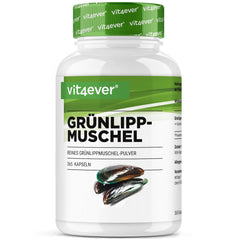
Somewhere deep in the soil of Mexico and Central America winds the tuberous root of a climbing plant that has been known for centuries as wild yam root extract. Botanically, the plant is called Dioscorea villosa. Vit4ever produces a concentrated extract from this root and standardizes it to 20 percent diosgenin, a plant compound naturally found in the tuberous root. Each capsule contains 440 mg of this extract. Taking two per day provides 880 mg of extract with 176 mg of diosgenin. A bottle of 240 capsules lasts approximately four months at this dosage, while the bottle of 365 capsules lasts about half a year. This is interesting for anyone curious about this classic botanical root who is looking for a clearly standardized product.
Dioscorea villosa belongs to the yam family and grows wild in the forests of Mexico and parts of Central America, where its tuberous root has traditionally been harvested. The tuberous root naturally contains saponins, including diosgenin, as well as glycosides, alkaloids, tannins, phytosterols, and starch. An unprocessed root usually contains no more than a few percent diosgenin, often even less than 3.5 percent. To produce a usable extract, the root is concentrated and the diosgenin content is fixed at 20 percent, well above what is found in the raw root.
So what exactly is diosgenin? It is a steroidal saponin, a plant-based molecule with a steroid-like structure. Diosgenin has been used industrially for decades as a raw material for chemical synthesis, a process that takes place in a factory using acids and multiple reaction steps. The molecule belongs to the larger family of plant sterols.
Standardizing a wild yam extract to 20 percent diosgenin means that every batch contains exactly that percentage, regardless of natural fluctuations in the harvest. Unprocessed root powder may naturally contain only a fraction of that amount, and that amount also varies by harvest, growing location, and time of harvest. By standardizing, you know exactly what you get with each capsule: 88 mg of diosgenin per capsule, or 176 mg with the recommended two capsules per day. In the broader market of wild yam supplements, you will find percentages between 6 and 20 percent; at 20 percent, this extract is at the upper end of what is common for a concentrated product. For comparison: many products on store shelves use a standardization of 10 to 16 percent, meaning you would have to take considerably more extract or more capsules to get the same amount of diosgenin.
The capsule itself consists of the root extract and a shell made of hydroxypropyl methylcellulose (HPMC), a plant-based substance used instead of animal gelatin. No fillers, colorings, flavorings, or magnesium stearate are incorporated. The product is therefore vegan and free from gluten, lactose, and GMOs. Vit4ever independently tests every batch for diosgenin content and potential contaminants such as heavy metals and bacteria, ensuring that the contents match what is stated on the label. This combination of standardization and independent testing makes it easier to compare with other root extracts, because you know exactly what percentage you are dealing with instead of guessing the potency of a loose root powder.
All in all, this is a root extract with a long history and a clear, measurable composition: 20 percent diosgenin, packaged in no-frills vegan capsules in a bottle of 240 or 365. Anyone delving into wild yam root extract will find here a product whose standardization, origin from Mexico, and independent testing are clearly laid out, without anything having to be made up.
A fixed diosgenin content per capsule, while unprocessed root powder naturally often contains less than 3.5%.
Two capsules together provide 880 mg of root extract, of which 176 mg is diosgenin, at the upper end of what is common in the market.
Only the concentrated wild yam root extract and a vegetable HPMC casing, without magnesium stearate or dyes.
At the recommended dosage of two capsules per day, 240 capsules will last 4 months, and 365 capsules will last approximately half a year.
* Percentage van de referentie inname volgens Verordening (EU) Nr. 1169/2011.
** Reference intake unknown.
Response within one working day
Our customer service is open on weekdays from 09:00 to 17:00.

Wild yam is the rhizome of Dioscorea villosa, a climbing plant native to Mexico and Central America. The root naturally contains the plant substance diosgenin, and this extract is standardised to 20 percent of it.
Diosgenin is a steroid saponin, a plant molecule with a steroid-like building block. It is used industrially as a raw material for the chemical synthesis of steroid compounds, a process that takes place in a laboratory and not in the body after ingestion.
Two capsules per day with a meal and at least 200 ml of water. A bottle of 240 capsules will last 4 months at this dosage, while a bottle of 365 capsules will last approximately six months.
Many wild yam extracts on the market are standardised to 6 to 16 percent diosgenin. With 20 percent, you get more diosgenin per capsule than with lower standardised extracts, so you need fewer capsules for the same amount.
Unprocessed wild yam root powder naturally contains less than 3.5 percent diosgenin, and that percentage varies depending on the harvest and growing location. This extract is concentrated and standardized to 20 percent, so each capsule contains the same amount, regardless of fluctuations in the raw material.
Yes. The capsule contains only the root extract and a plant-based HPMC casing instead of animal gelatin. The product is also free of magnesium stearate, colorants, flavorings, gluten, lactose, and GMO.