

































You come across biotin everywhere when it comes to hair and skin, from shampoo to gummies. But what exactly is biotin and what can you expect from it? Here you will read the factual story, without empty promises.
Topics in this article
- What is biotin?
- Approved health claims
- What foods naturally contain biotin?
- Biotin, hair and skin
- Are you getting enough?
- Biotin as a supplement: forms and dosage
- What to look for when choosing?
- Safety and blood tests
- Frequently asked questions about biotin
- Conclusion
What is biotin?
Biotin is a water-soluble vitamin from the B group. You may also come across it as vitamin B8, and in older or English-language sources as vitamin B7 or vitamin H. Because it is water-soluble, your body hardly stores it: what you consume in excess, you largely excrete through your urine.
In your body, biotin acts as a co-factor for certain enzymes. You only need a small amount of it, expressed in micrograms (mcg).
Approved health claims
For biotin, unlike for many herbs, health claims are permitted. The most important ones at a glance:
- Biotin contributes to the maintenance of normal hair.
- Biotin contributes to the maintenance of normal skin.
- Biotin contributes to normal energy-yielding metabolism.
- Biotin contributes to the normal functioning of the nervous system.
- Biotin contributes to normal psychological function.
- Biotin contributes to the normal metabolism of macronutrients.
What foods naturally contain biotin?
Biotin is found in many common foods. Good sources include eggs (especially the yolk), nuts, seeds, legumes, whole grain products and organ meats such as liver. Vegetables such as mushrooms and sweet potatoes also contribute.
A little fun fact about eggs: raw egg white contains the substance avidin, which binds biotin. By cooking eggs, avidin becomes inactive, so a boiled or fried egg is actually an excellent source.

Biotin, hair and skin
The best-known reason people look into biotin is hair. Biotin contributes to the maintenance of normal hair and normal skin. More biotin than you need does not provide any extra effect.
Also pay attention to the frequently used combination hair, skin and nails. For nails, biotin itself has no approved claim. The reason the Hair, Skin and Nail Gummies also mention nails is due to the added zinc: zinc contributes to the maintenance of normal nails.
Are you getting enough?
With a varied diet, you get biotin through regular food. If you have doubts about your diet or use medications, consult your general practitioner.
Biotin as a supplement: forms and dosage
As a supplement, biotin is available in widely varying dosages, from around 100 mcg in a multivitamin to standalone products with 5,000 or 10,000 mcg. Follow the dosage on the packaging.
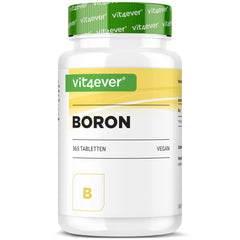
You choose the form that suits you. Standalone capsules or tablets have a fixed amount per piece, such as the Swanson Biotin 5000 mcg (vegan). If you want biotin combined with minerals, the Vit4ever Biotin 10,000 mcg with selenium and zinc is an example. Prefer an easy form? Then gummies are an option. View the entire range in the biotin collection.
What to look for when choosing?
Look beyond just the number of micrograms. A few points that help:
- Standalone biotin or a combination. Are you looking for pure biotin, or a formula with, for example, zinc and selenium?
- Form. Tablet, capsule or gummy, whatever you prefer to take.
- Vegan and additives. Check the label for vegan suitability and unnecessary additives.
- Daily dosage. Add up standalone products and any vitamin B complex so that you do not unknowingly double dose.
Safety and blood tests
No harmful upper limit has been established for biotin. There is, however, a practical point that few people know: high-dose biotin can interfere with the results of some blood tests, for example thyroid and heart values. If you use a high-dose biotin supplement and need to have blood drawn, report this to your doctor or the lab. It is often advised to pause the supplement a few days beforehand.
Are you pregnant, breastfeeding, or using medications? Then consult your general practitioner first before taking a high-dose supplement.
Frequently asked questions about biotin
Which health claims apply to biotin?
Biotin contributes to the maintenance of normal hair and normal skin, to normal energy-yielding metabolism and to the normal functioning of the nervous system.
Is biotin the same as vitamin B8?
Yes. Biotin is known as vitamin B8, and in older or English-language sources as vitamin B7 or vitamin H. It is the same substance.
What does biotin do for your hair?
Biotin contributes to the maintenance of normal hair. For persistent hair loss, your general practitioner is the right source.
How much biotin per day is usual?
The amount varies greatly per product, from around 100 mcg in a multivitamin to 5,000 or 10,000 mcg in standalone products. Follow the dosage on the packaging.
Is biotin in food?
Yes, in, among others, eggs, nuts, seeds, legumes, whole grain products and organ meats.
Can I consume too much biotin?
Biotin is water-soluble, so you largely excrete an excess through your urine. Do pay attention: high dosages can affect blood tests, so report its use at a blood draw.
Conclusion
Biotin is a water-soluble B vitamin that contributes to normal energy-yielding metabolism and to the maintenance of normal hair and normal skin. You find it in regular food. If you choose a supplement, choose a form that suits you and take into account the influence on blood tests.
View the biotin collection or read our explanation about what collagen is.

