



































CLA (Conjugated linoleic acid)
CLA (conjugated linoleic acid) is an omega-6 fatty acid related to linoleic acid, found naturally in small amounts in dairy and meat from ruminants. As a supplement, CLA is usually derived from safflower oil (caraway oil) and offered in softgels, typically standardized to approximately 80% conjugated linoleic acid. It is often used by people who exercise regularly. In this range, you will find CLA softgels in various dosages, from 1000 mg to 3000 mg per softgel, from brands such as German Elite Nutrition and LUTO Supplements.


Buy CLA: conjugated linoleic acid in softgels
CLA stands for conjugated linoleic acid. It is a collective term for a group of fatty acids related to linoleic acid, an omega-6 fatty acid. CLA occurs naturally in small amounts in dairy and meat from ruminants, and as a supplement it is usually obtained from vegetable oils such as safflower (safflower) oil. In supplement form, CLA is often used by people who exercise regularly.
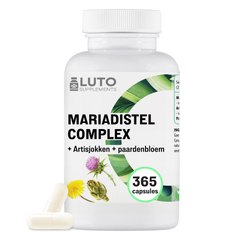
In this range you will find CLA in the form of softgels in different dosages and from multiple brands: from German Elite Nutrition with 1000 mg per softgel (up to 3000 mg per daily dose) to LUTO Supplements with a highly concentrated 3000 mg softgel based on 80% conjugated linoleic acid from safflower oil. Below you will read what CLA is exactly, where it comes from, what forms are available and what to look out for when buying.
What is CLA (conjugated linoleic acid)?
CLA is a polyunsaturated fatty acid from the omega-6 family. Chemically, it is a variant of linoleic acid in which the double bonds are in a slightly different place; this is called conjugated. In practice, it is a mixture of different isomers, of which the forms referred to as c9,t11 and t10,c12 are the best known. CLA supplements usually contain a standardized percentage of these isomers, often around 80%.
Where does CLA come from?
Naturally, CLA occurs in milk, cheese, butter and the meat of ruminants such as cows and sheep. However, the amounts in regular food are limited. For supplements, CLA is therefore usually produced from vegetable oils with a high content of linoleic acid, in particular safflower oil (safflower oil). Through a processing method, the linoleic acid from it is converted into the conjugated form, which is then processed into softgels.
CLA 1000 mg or 3000 mg: compare dosages
CLA supplements differ mainly in the amount per softgel and the stated percentage of conjugated linoleic acid. A 1000 mg softgel, such as that of German Elite Nutrition, is convenient if you want to divide your daily dose over multiple times; with three softgels you reach 3000 mg per day. A 3000 mg softgel with 80% conjugated linoleic acid, such as that of LUTO Supplements, provides a high amount in a single capsule. When comparing, pay attention not only to the total weight of the oil, but also to the percentage of CLA isomers stated on the label.
Administration form: softgels
Because CLA is a fatty acid (oil), it is almost always offered as a softgel: a soft gelatin or plant-based capsule with the oil inside. This makes intake easy and tasteless, and protects the oil from air and light. Powder or drink forms are unusual for CLA. Softgels come in different sizes; a higher dosage per softgel usually means a slightly larger capsule.
Daily dosage
The usual dosage stated on CLA supplements is often around 3000 mg of conjugated linoleic acid per day, divided throughout the day and taken with a meal. The exact number of softgels per day depends on the dosage per capsule. Always follow the instructions for use on the packaging for the correct dosage and duration of use.
When do you take CLA?
CLA is usually taken with a meal. If you want to use multiple softgels per day, you can divide them over, for example, breakfast, lunch and dinner. Always look at the instructions for use of the specific product for the recommended time of intake.
Who is CLA interesting for?
CLA supplements are popular among people who exercise regularly and who want to use this specific fatty acid as a supplement to their diet. CLA is a fatty acid and not a replacement for a varied diet or an active lifestyle. Are you pregnant, breastfeeding, using medication or do you have a medical condition? Then consult your (general practitioner) first before using a supplement.
What to look out for when buying CLA?
When buying CLA, pay attention to the percentage of conjugated linoleic acid (for example 80%), the dosage per softgel and per day, and the source of the oil (usually safflower oil). Also look at the origin and quality control: brands often state whether the product has been laboratory tested and is produced according to quality standards. Finally, check whether the softgel suits your preference, for example in terms of size and whether it is gluten-free or lactose-free.
Also check out our other collections: Sports supplements and Omega & Fatty acids.
Need more advice?

Tobian
Customer service