







Filter op
Filter op
ActieprijsVanaf €6,90
€63,91  / kg
Actieprijs€20,90
€104,50  / kg
Actieprijs€21,90
€27,38  / kg
Actieprijs€42,90
€47,25  / kg
Actieprijs€14,90
€183,95  / kg
Actieprijs€17,90
€74,58  / kg
Actieprijs€13,90
€165,48  / kg
Actieprijs€21,90
€16,59  / l
Actieprijs€35,90
€31,49  / l
Actieprijs€23,90
€37,79  / 100g
Actieprijs€33,90
€79,58  / kg

Buy caffeine: from tablets to sports drinks and gels

Caffeine is one of the best-known and most widely used substances in the world and occurs naturally in coffee beans, tea leaves, cocoa and guarana seeds. In this collection you will find caffeine in various forms: from caffeine tablets for precise dosing to sports drinks, energy gels and effervescent tablets containing caffeine. In our range you will find caffeine products from reputable brands, suitable for a variety of uses.

What is caffeine?

Caffeine is a natural compound from the alkaloid group (methylxanthines) that occurs naturally in various plants. It is both extracted from natural sources and produced synthetically for use in drinks, foods and supplements. In pure form it is a white, bitter powder. Caffeine is one of the most studied substances and is consumed daily worldwide through coffee, tea, cola, energy drinks and supplements. We describe caffeine here factually; the label of each product states how much caffeine a serving provides.

How much caffeine is in coffee, cola, tea and energy drinks?

The caffeine content varies greatly depending on the drink and how it is prepared. As an indication: a cup of brewed coffee (approximately 200 ml) contains on average about 80 mg of caffeine, although this can vary depending on the strength and brewing method. An espresso (approximately 30 ml) provides about 60 to 80 mg. A can of energy drink (250 ml) usually contains around 80 mg. A glass of cola (250 ml) is lower, around 20 to 25 mg, and cola zero is in a similar range. A cup of black or green tea (200 ml) contains about 30 to 50 mg. For comparison: a caffeine tablet often contains 200 mg per piece, or more than two cups of coffee. These figures are averages; the actual content depends on the product and preparation.

In what forms is caffeine available?

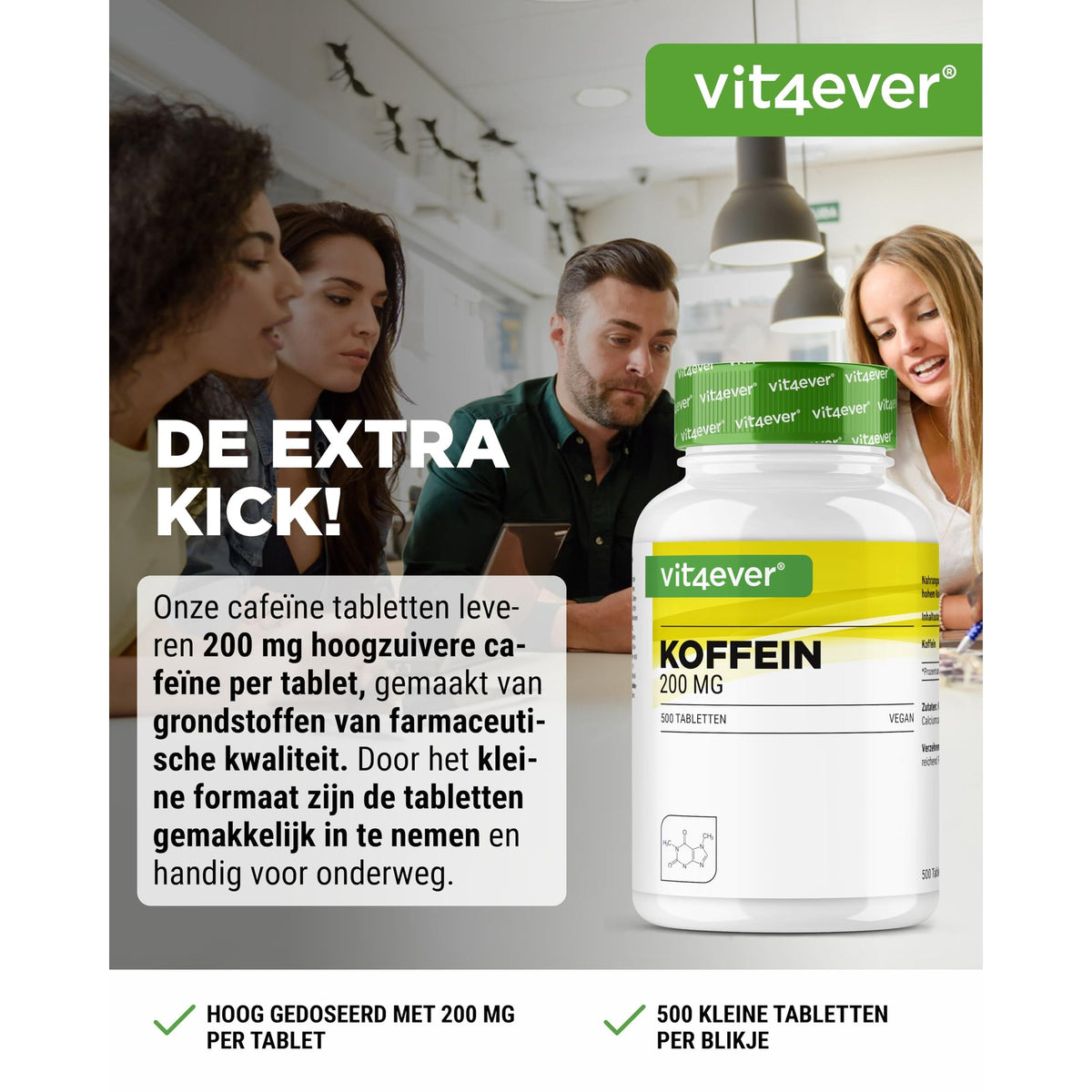
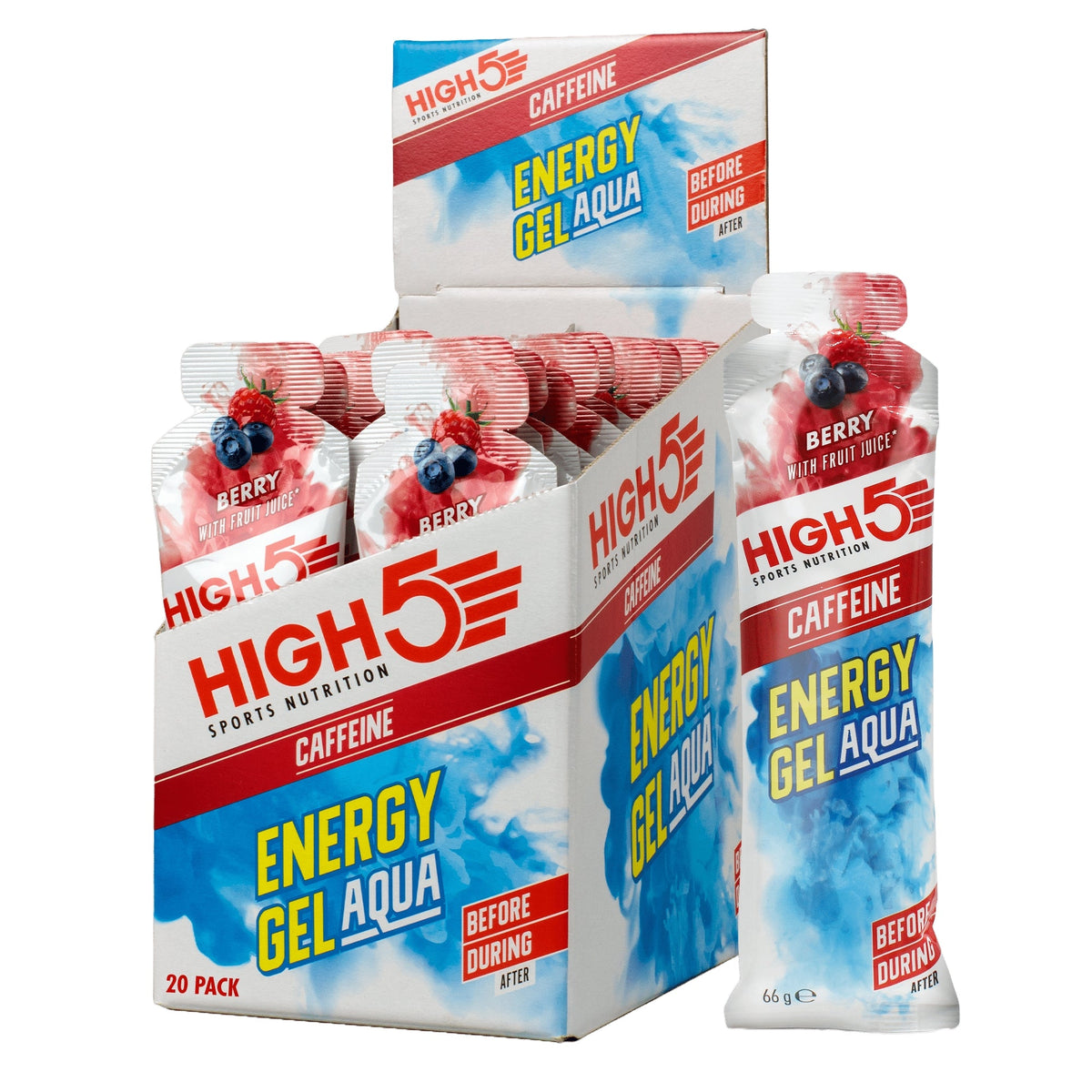
Caffeine can be found in various forms in this collection. Caffeine tablets and capsules offer a fixed, precise dose (often 200 or 250 mg per tablet) without sugars or calories. In addition, you will find caffeine incorporated into sports products: energy gels for endurance exercise, carbohydrate-electrolyte drinks with caffeine and effervescent tablets. Caffeine-free (zero caffeine) sports variants are also available for those who want the sports drink but not the caffeine. Which form is right for you depends on your use: targeted dosing with tablets or caffeine as part of a sports drink or gel.

Caffeine tablets versus coffee and energy drinks

A practical advantage of caffeine tablets is that the amount of caffeine per serving is precisely known. A 200 mg tablet usually contains more than twice as much caffeine as an average cup of coffee. With tablets you have immediate insight into your intake, without having to calculate variations per cup or can, and without added sugars or calories. For a detailed explanation and the full tablet range, you can also view our collection of Caffeine pills.

Caffeine in sports nutrition

Caffeine is a widely used ingredient in sports nutrition and is found in pre-workouts, energy gels and sports drinks. Athletes often use caffeine around training or during endurance exercise, where timing and dosing are a matter of personal preference and habituation. We describe this use factually and do not attach any health claims to it. For sports products with caffeine, pay attention to the amount of caffeine per serving, which is listed on the label alongside any carbohydrates and electrolytes.

How much caffeine per day and what to pay attention to?

No nutritional reference value has been established for caffeine; how much one person tolerates varies greatly from person to person. Always keep track of your total daily caffeine intake from all sources (coffee, tea, cola, energy drinks and supplements). It is best not to consume caffeine too late in the day, as it can affect your night's sleep. In cases of high intake or sensitivity, symptoms such as restlessness, heart palpitations or a feeling of unease may occur. Caffeine is not suitable for children and is advised against or limited during pregnancy or breastfeeding. If in doubt or if you are taking medication, consult a doctor.

Buying caffeine: what to pay attention to?

When choosing a caffeine product, there are a few practical points to consider. Determine which form suits your use: tablets for precise dosing, or a sports drink or gel in which caffeine is incorporated. Look at the amount of caffeine per serving and, for sports products, at the other ingredients (carbohydrates, electrolytes). Pay attention to the price per serving and take your total caffeine intake into account. For the individual tablets and more explanation, you can also view our collection of Caffeine pills; for training formulas with caffeine, see Pre-workout.

Need more advice?

Feel free to send us a message. We're happy to help and will answer your questions as soon as possible.
Tobian

Tobian

Customer service